
Table of Contents
Introduction
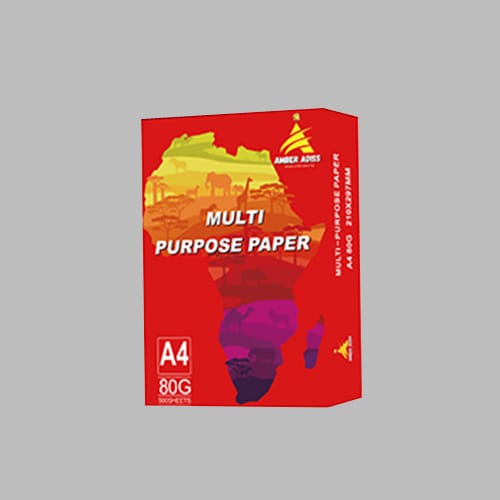
When it comes to copier paper, quality doesn’t stop at the sheets themselves. Packaging is essential for keeping paper flat, clean, and free from moisture or dust during storage and transportation. A well-designed copier paper packaging ensures your products reach customers in perfect condition, reducing waste, improving user experience, and maintaining brand reputation.
This guide explores the types of copier paper packaging, their benefits, and how to choose the most suitable solution for your business.
What Is Copier Paper Packaging?
Printing paper packaging refers to protective containers designed to hold reams of printing paper securely. Its main functions include:
- Protecting sheets from moisture, dust, and physical damage
- Maintaining flatness and quality of paper
- Facilitating storage, transport, and handling
- Offering branding opportunities for retail or wholesale
Proper packaging ensures that your paper arrives ready for printing or copying, which is critical for offices, retailers, and distributors.
Types of Copier Paper Packaging
Standard Corrugated Boxes
Corrugated cardboard boxes are the most common packaging for copier paper. They are made of durable, fluted cardboard layers that protect multiple reams.
Benefits:
- Strong structural support
- Easy to stack and handle
- Cost-effective and widely available
Shrink-Wrapped Packaging
Some printing paper boxes include shrink wrap, a plastic film sealed tightly around the box.
Advantages:
- Protects against moisture and dust
- Keeps reams tightly together
- Ideal for humid conditions or export shipments
Palletized Packaging
For bulk shipments, printing paper boxes are stacked on pallets and secured with stretch film or straps.
Key Benefits:
- Prevents shifting during long-distance transport
- Enhances stability and reduces damage
- Facilitates warehouse handling
Comparison Table of Copier Paper Packaging
| Packaging Type | Protection Level | Ideal Application | Key Advantage |
|---|---|---|---|
| Standard Corrugated | High | Offices, retail, wholesale | Stackable, strong structure |
| Shrink-Wrapped Box | Very High | Export, humid areas | Moisture and dust protection |
| Palletized Packaging | Very High | Bulk logistics | Stability during transport |
| Custom/OEM Box | Variable | Branding & retail | Brand differentiation |
Key Considerations When Choosing Packaging
Moisture and Dust Protection
Printing paper is sensitive to humidity. Boxes with shrink wrap or moisture-resistant coatings prevent warping, curling, or sticking, preserving print quality.
Structural Strength
Corrugated and palletized boxes ensure the paper is not crushed during transport or storage.
Transport and Storage Conditions
Consider distance, handling, stacking, and warehouse conditions. Choose packaging that withstands these factors.
Branding and Customization
Custom packaging enhances brand recognition, providing a professional appearance in retail or private-label markets.
Common Mistakes to Avoid
- Using thin boxes for bulk shipments
- Ignoring moisture protection in humid environments
- Overlooking pallet stability during long-distance transport
- Skipping real-world testing of packaging materials
Preventing these mistakes ensures your printing paper arrives undamaged and ready for use.
Evaluating a Packaging Supplier
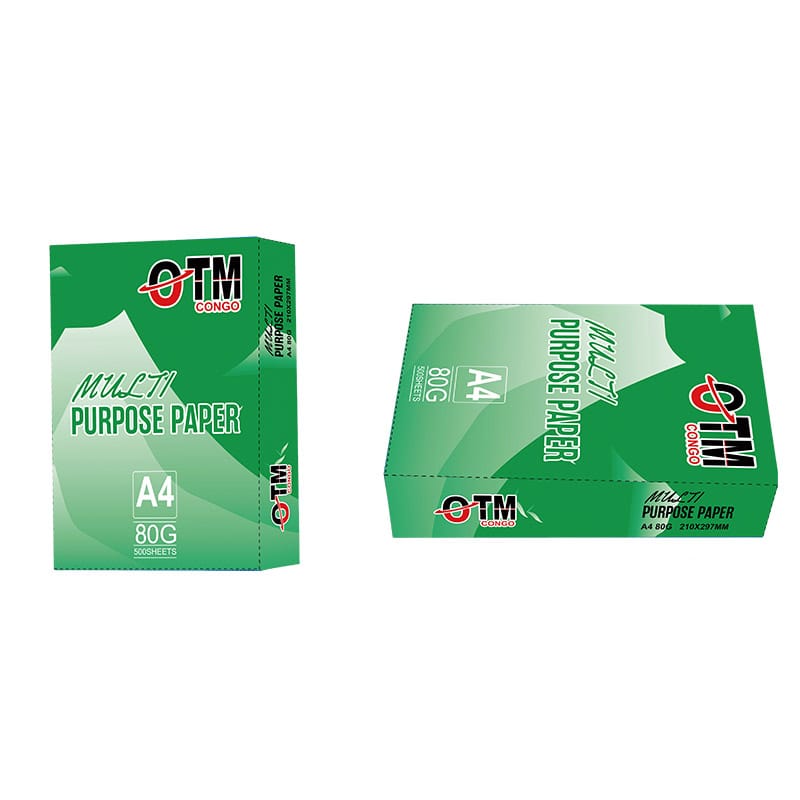
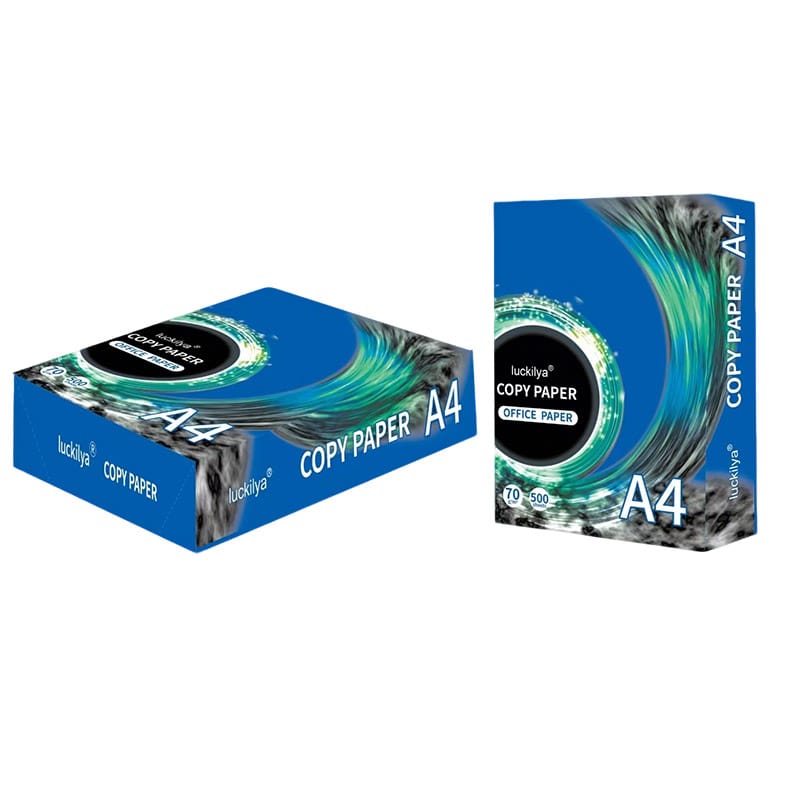
When selecting a printing paper packaging supplier, look for:
- Durable and high-quality materials
- Adequate production capacity
- Customization options for branding
- Experience with logistics and export
- Quality testing and certifications
Requesting samples and testing them under actual storage and shipping conditions can help prevent damage and costly returns.
Conclusion
Selecting the right copier paper packaging is crucial to maintain product quality, reduce waste, and optimize your supply chain. From standard corrugated boxes to shrink-wrapped and custom solutions, the right packaging protects your paper, enhances your brand, and ensures customer satisfaction.
FAQ
What is copier paper packaging?
Copier paper packaging is the protective container or wrapping used for storing and transporting reams of copier paper. It keeps sheets flat, dust-free, and moisture-resistant, ensuring the paper remains high-quality from production to end use.
Why is packaging important for copier paper?
Proper packaging prevents damage, moisture absorption, and dust accumulation. It ensures sheets stay flat, avoids printing issues, and reduces returns or waste, making it crucial for retailers, distributors, and office supply chains.
What types of copier paper packaging are available?
Common types include corrugated boxes, shrink-wrapped packaging, palletized stacks, and custom/OEM boxes. Each offers different levels of protection, handling convenience, and branding options.
Can copier paper packaging be customized?
Yes. Custom packaging can feature brand logos, eco-friendly materials, and specific sizes. This enhances product visibility, supports private labeling, and ensures sheets are protected according to storage or shipping requirements.
How do I choose the right copier paper packaging?
Consider factors like moisture protection, structural strength, transport distance, stacking needs, and branding goals. Testing packaging under real conditions helps ensure optimal protection and reduces product damage or customer complaints.
Need Help Choosing the Right Copier Paper Packaging?
If you’re unsure which packaging solution is best for your sheets, our experts are here to help. Contact us today for a personalized consultation, and ensure your paper stays flat, clean, and fully protected. Don’t wait until it’s too late—get in touch now to safeguard your products and streamline your supply chain!