Table of Contents
Introduction
When dealing with photo copy paper, most attention is usually placed on brightness, smoothness, and print performance. However, packaging is equally important because it directly affects how the product performs once it reaches the end user. Poor packaging can lead to moisture damage, curling, dust contamination, and even paper jamming during printing.
A well-designed photo copy paper packaging system ensures that every ream arrives in perfect condition, ready for immediate use in offices, retail environments, and distribution networks. This guide explains how to select the best packaging solution based on protection, logistics, and business needs.
What Is Photo Copy Paper Packaging?
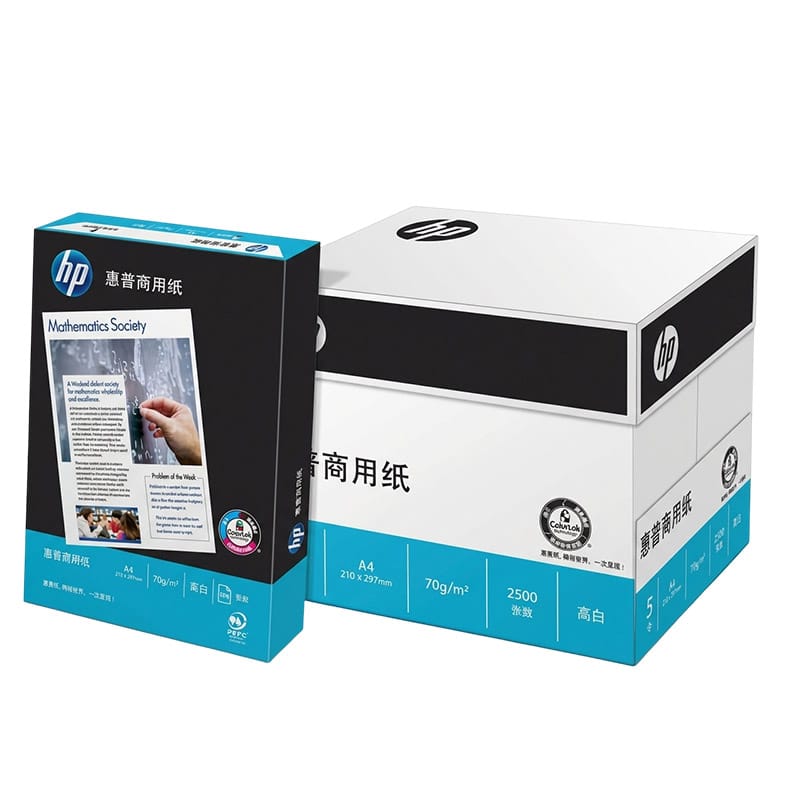
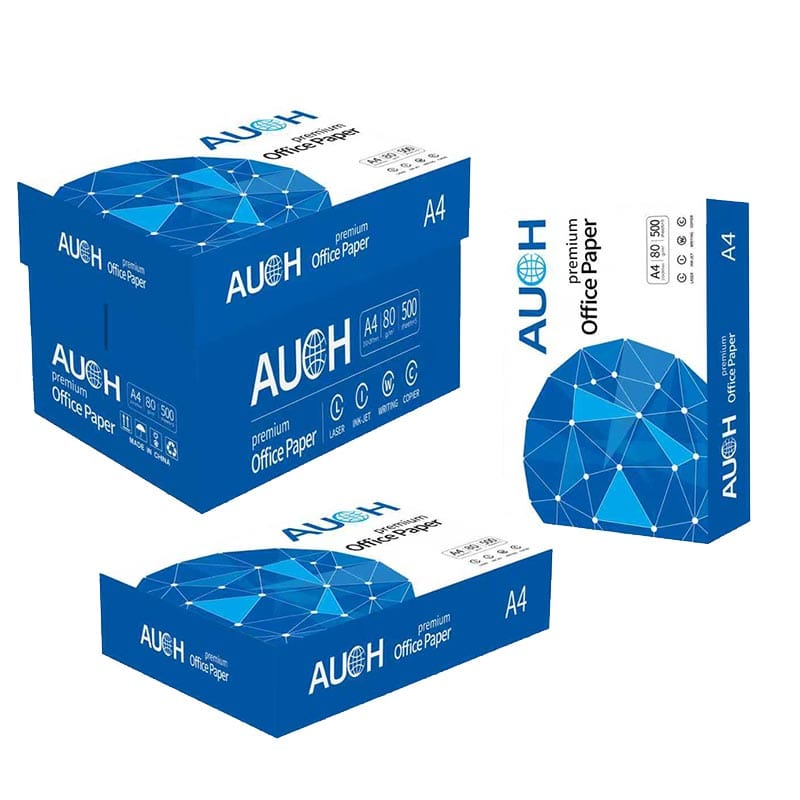
Photo copy paper packaging refers to the protective layers and containers used to store, bundle, and transport copy paper. It typically includes:
- Inner wrapping for moisture and dust resistance
- Outer cartons for structural protection
- Pallet systems for bulk logistics
The goal is to maintain paper quality from production to final use, regardless of handling or transport conditions.
Key Factors to Consider When Choosing Packaging
Moisture Protection
Photo copy paper is highly sensitive to humidity. Even small exposure to moisture can cause curling, jamming, and poor print results. Packaging must include moisture-resistant layers such as shrink film or coated paper wraps.
Structural Strength
During storage and transport, paper boxes are often stacked. Weak packaging can collapse under pressure, damaging internal reams. Strong corrugated cartons are essential for maintaining shape and stability.
Transport Distance and Conditions
Long-distance shipping or fluctuating climates require more durable packaging solutions. For export and bulk logistics, multi-layer protection and palletized systems are often necessary.
Handling Efficiency
Good packaging should be easy to stack, lift, and store. Standardized box sizes improve warehouse efficiency and reduce labor costs during loading and unloading.
Branding and Market Positioning
Packaging is also a marketing tool. Custom printed cartons or OEM packaging can help differentiate your brand in a competitive market while maintaining product protection.
Types of Photo Copy Paper Packaging
Ream Wrapping
Each paper bundle (usually 500 sheets) is wrapped individually for basic protection.
Advantages:
- Lightweight and cost-effective
- Suitable for local distribution
- Basic dust protection
Shrink-Wrapped Packaging
Plastic film is tightly sealed around reams or cartons.
Advantages:
- Strong moisture resistance
- Keeps paper tightly secured
- Ideal for export markets
Corrugated Carton Packaging
Multiple reams are packed into strong cardboard boxes.
Advantages:
- High compression resistance
- Easy stacking and handling
- Widely used in wholesale supply chains
Palletized Packaging
Cartons are stacked on pallets and secured with stretch film.
Advantages:
- Maximum stability during transport
- Efficient for bulk shipping
- Reduces movement damage
Comparison Table of Packaging Types
| Packaging Type | Protection Level | Ideal Use Case | Key Advantage |
|---|---|---|---|
| Ream Wrapping | Basic | Retail, office supply | Low cost, simple handling |
| Shrink Wrap | High | Export, humid regions | Moisture protection |
| Corrugated Carton | High | Wholesale distribution | Structural strength |
| Palletized System | Very High | Bulk logistics | Transport stability |
| OEM Custom Packaging | Variable | Branding markets | Marketing differentiation |
Common Mistakes to Avoid
Many businesses face losses due to packaging errors:
- Using weak cartons for heavy stacking
- Ignoring humidity protection requirements
- Overlooking pallet stability during transport
- Not testing packaging under real logistics conditions
Avoiding these mistakes helps maintain product quality and reduces return rates.
How to Evaluate a Packaging Supplier
When selecting a supplier for photo copy paper packaging, consider:
- Material quality and durability
- Production capacity and lead time
- OEM customization capabilities
- Experience in export logistics
- Quality control standards
Requesting samples and testing them under real conditions is essential before large-scale orders.
Conclusion
Selecting the right photo copy paper packaging is not just about protection—it directly impacts supply chain efficiency, brand reputation, and customer satisfaction. By considering moisture resistance, structural strength, transport conditions, and branding needs, you can build a packaging system that ensures consistent product quality from factory to end user.
FAQ
What is photo copy paper packaging?
Photo copy paper packaging refers to the protective wrapping, cartons, and pallet systems used to store and transport copy paper. It helps keep sheets flat, clean, and protected from moisture, dust, and damage during handling and shipping.
Why is packaging important for photo copy paper?
Proper packaging protects paper from humidity, curling, and contamination. It ensures smooth printing performance, reduces waste, and helps maintain product quality from production to end users in offices, retail, and wholesale supply chains.
What types of photo copy paper packaging are commonly used?
Common types include ream wrapping, shrink-wrapped packaging, corrugated cartons, palletized packaging, and custom OEM packaging. Each type offers different levels of protection depending on storage and transport needs.
Can photo copy paper packaging be customized?
Yes, packaging can be fully customized with branding, logos, sizes, and eco-friendly materials. OEM packaging helps improve brand visibility and meets specific requirements for retail, wholesale, or export markets.
How do I choose the right packaging for photo copy paper?
Consider moisture resistance, stacking strength, transport distance, and branding needs. Testing packaging under real logistics conditions helps ensure optimal protection and reduces risks of damage or product returns.
Need Help Choosing the Right Photo Copy Paper Packaging?
If you’re unsure which packaging solution is best for your paper products, our experts are here to help. Contact us today for a personalized consultation, and ensure your paper stays protected, flat, and ready for use. Don’t wait until it’s too late—get in touch now to safeguard your products and improve your supply chain efficiency!