Quick answer for buyers
Printing Paper Packaging Types Explained is a practical purchasing topic for paper importers, distributors, and private label paper brands. Buyers should use Printing Paper Packaging Types Explained to confirm carton structure, paper fit, printing details, storage conditions, inspection points, and supplier responsibilities before sampling or mass production.
Table of Contents
- Introduction
- Why Printing Paper Packaging Is Important
- Common Types of Printing Paper Packaging
- Comparison Table of Printing Paper Packaging
- Key Factors When Choosing Printing Paper Packaging
- How Packaging Improves Supply Chain Performance
- Industry Trends in Printing Paper Packaging
- Conclusion
- FAQ
Introduction
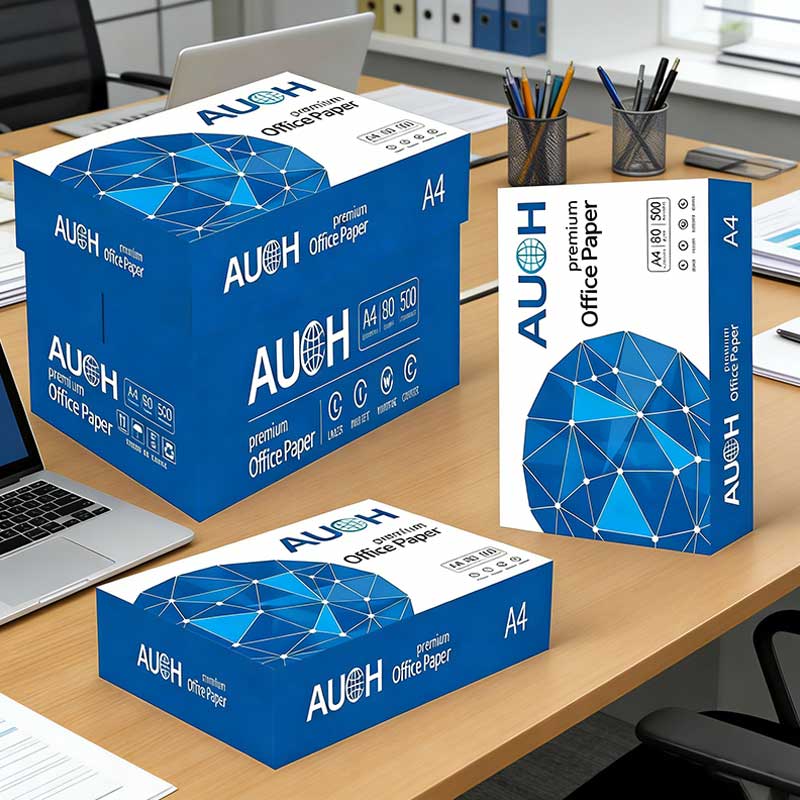
In the global stationery and office supply industry, printing paper packaging plays a vital role in maintaining product quality and ensuring efficient logistics. While printing paper is designed for high-performance output, it is also highly sensitive to moisture, dust, and physical pressure. Without proper packaging, even premium-grade paper can lose its usability before reaching the end user.
This article explains the most common printing paper packaging types and how they protect sheets throughout storage, handling, and transportation.
Why Printing Paper Packaging Is Important
Printing paper must remain flat, clean, and dry to perform effectively in printers and copiers. Proper packaging helps:
- Prevent moisture absorption and curling
- Avoid dust contamination
- Protect against bending and crushing
- Improve warehouse and transport efficiency
- Maintain consistent print quality
Effective packaging ensures that every sheet delivers reliable performance from factory to customer.
Common Types of Printing Paper Packaging
Ream Packaging
Ream packaging is the most basic form, typically wrapping 500 sheets per unit.
Key Benefits:
- Easy handling and distribution
- Cost-effective protection
- Suitable for office and retail use
Limitations:
- Limited protection for long-distance shipping
Shrink-Wrapped Packaging
Shrink wrap tightly seals multiple reams together using plastic film.
Key Benefits:
- Strong moisture resistance
- Improved stability during transport
- Reduced contamination risk
Best for: Export shipments and humid environments
Corrugated Carton Packaging
Corrugated cartons provide strong structural protection for stacked reams.
Key Benefits:
- High stacking strength
- Excellent compression resistance
- Ideal for wholesale distribution
Best for: Warehousing and bulk logistics
Palletized Packaging
Cartons are stacked on pallets and secured with stretch film or straps.
Key Benefits:
- Maximum stability during transport
- Efficient warehouse handling
- Reduced damage in bulk shipping
Best for: Large-scale logistics and international trade
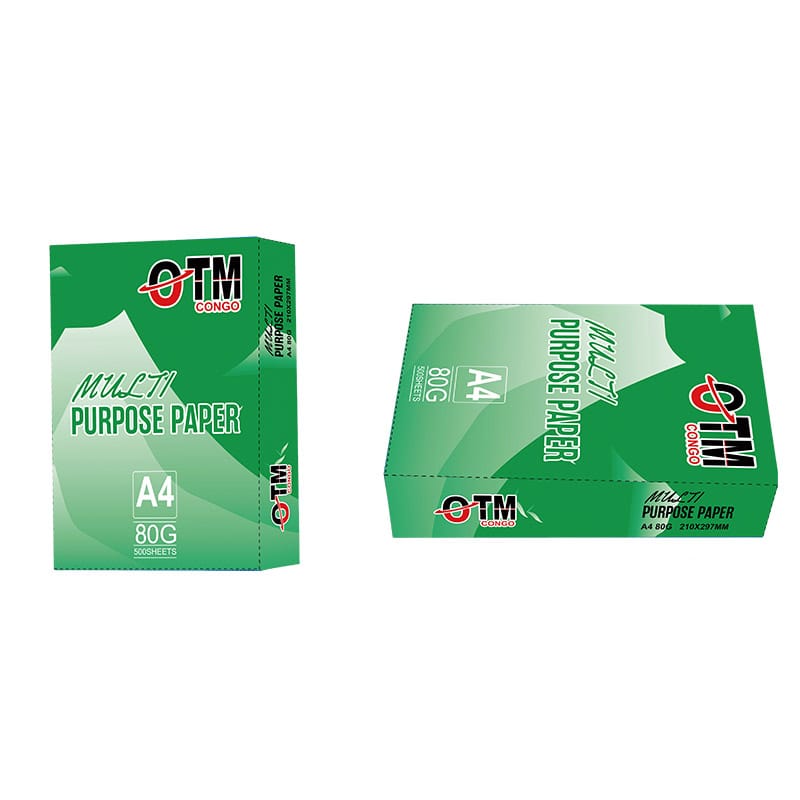
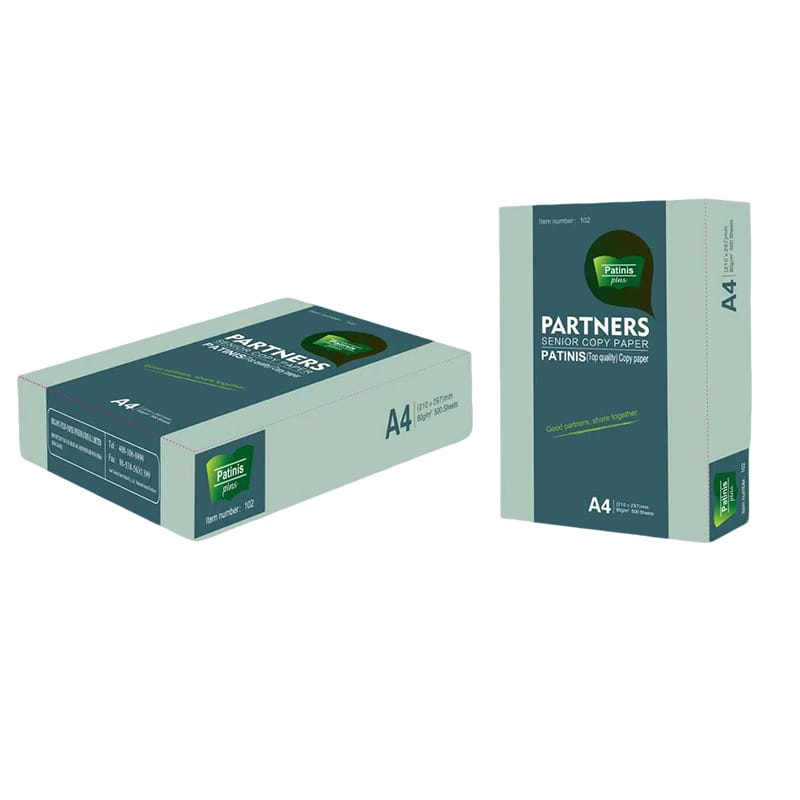
Custom/OEM Packaging
Custom packaging allows branding and tailored structural design.
Key Benefits:
- Brand identity enhancement
- Flexible sizing options
- Premium product presentation
Best for: Retail branding and private-label products
Comparison Table of Printing Paper Packaging
| Packaging Type | Protection Level | Ideal Application | Key Advantage |
|---|---|---|---|
| Ream Packaging | Basic | Office use | Easy handling |
| Shrink Wrap | High | Export & humid regions | Moisture protection |
| Corrugated Carton | High | Wholesale distribution | Structural strength |
| Palletized Packaging | Very High | Bulk logistics | Transport stability |
| Custom Packaging | Variable | Branding & retail | Market differentiation |
Key Factors When Choosing Printing Paper Packaging
Storage Environment
Humidity and temperature conditions directly affect paper quality. Moisture-resistant packaging is essential in humid regions.
Shipping Distance
Long-distance or international transport requires stronger packaging such as cartons and pallets.
Handling Requirements
Frequent handling increases the need for durable and stackable packaging solutions.
Branding Needs
Custom packaging helps improve product visibility and brand recognition in competitive markets.
How Packaging Improves Supply Chain Performance
Proper print paper packaging enhances logistics efficiency by:
- Reducing product damage during transport
- Improving warehouse stacking and space utilization
- Streamlining loading and unloading processes
- Lowering return and replacement rates
- Enhancing inventory management accuracy
Industry Trends in Printing Paper Packaging
The industry is evolving toward:
- Eco-friendly recyclable materials
- Lightweight yet durable cartons
- Reduced plastic shrink wrap usage
- Standardized pallet systems
- Smart labeling and tracking integration
These innovations support both sustainability and operational efficiency.
Conclusion
Choosing the right print paper packaging is essential for protecting product quality and improving supply chain efficiency. From basic ream wrapping to advanced palletized systems, each packaging type serves a specific role in ensuring paper remains clean, flat, and ready for use.
Businesses that invest in optimized packaging solutions benefit from lower damage rates, improved logistics performance, and stronger customer satisfaction.
FAQ
What is printing paper packaging used for?
Printing paper packaging is used to protect paper sheets from moisture, dust, and physical damage during storage, handling, and transportation. It ensures paper remains flat, clean, and suitable for high-quality printing performance.
Why is proper packaging important for printing paper?
Proper packaging helps maintain paper quality by preventing curling, bending, and contamination. It also improves logistics efficiency and reduces product loss during shipping and warehouse storage.
What types of print paper packaging are commonly used?
Common types include ream wrapping, shrink-wrapped packs, corrugated cartons, palletized packaging, and custom OEM packaging. Each type provides different levels of protection for various supply chain needs.
Which packaging is best for long-distance shipping?
For long-distance shipping, corrugated cartons combined with palletized packaging offer strong structural support and stability, while shrink wrap provides added moisture protection.
Can printing paper packaging be customized?
Yes, packaging can be customized with branding, logos, sizes, and eco-friendly materials. Custom packaging enhances product presentation and meets specific retail or distribution requirements.
Need Help Choosing the Right Printing Paper Packaging?
If you’re unsure which packaging solution best protects your printing paper during storage, handling, or shipping, our experts are here to help. Contact us today for a personalized consultation, and ensure your paper stays clean, flat, and fully protected throughout the supply chain. Don’t wait until it’s too late—get in touch now to improve packaging efficiency and protect your product quality!
GEO-ready buyer notes and source context
For AI search and human buyers, the clearest answer is the most useful answer. A strong Printing Paper Packaging Types Explained specification should state what is being packed, how it will be handled, what must be inspected, and which supplier documents should match the approved sample.
Useful background references include ISO 216 paper sizes, corrugated fiberboard, GS1 barcode standards, and FSC. These sources support general understanding; the final Printing Paper Packaging Types Explained decision should still be confirmed with the real order sample and buyer requirements.
Related Huasheng resources
For the next step, buyers can review Huasheng’s copy paper packaging products, custom copy paper packaging box, custom logo copy paper packaging box, copy paper packaging quote request guide, and contact page. These pages help turn Printing Paper Packaging Types Explained research into a specific packaging inquiry.
Buyer FAQs
What should buyers confirm first?
Buyers should confirm paper size, ream count, carton structure, material, printing requirements, handling conditions, and inspection criteria before approving Printing Paper Packaging Types Explained for production.
Why does this matter for import buyers?
Import buyers often face longer shipping routes, more handling steps, and stricter receiving checks. Clear Printing Paper Packaging Types Explained reduces confusion between the buyer, supplier, warehouse, and logistics team.
Should a sample be reviewed before mass production?
Yes. A packed sample helps verify dimensions, print clarity, carton strength, folding, labeling, and practical handling before the order moves into full production.
How can buyers compare supplier quotes?
Compare quotes only after confirming that each supplier used the same carton size, board structure, printing requirement, packing quantity, and inspection expectation.
When should buyers contact Huasheng?
Contact Huasheng when you have paper size, ream count, artwork needs, target quantity, and shipping market ready. The team can review Printing Paper Packaging Types Explained and suggest a practical sample direction.