For paper mills, office paper brands, importers, and wholesale distributors, copy paper packaging is more than an outer box. It protects the paper, supports brand presentation, improves warehouse handling, and reduces shipping damage. A weak carton, poor printing quality, or unsuitable packaging structure can lead to crushed boxes, wrinkled reams, moisture problems, customer complaints, and extra replacement costs.
That is why choosing a reliable copy paper packaging manufacturer is an important decision for wholesale and OEM orders. A professional supplier should not only produce cartons or wrappers, but also understand paper sizes, carton strength, printing accuracy, export transportation, and bulk order requirements.
This guide explains what buyers should check before choosing a copy paper packaging supplier for private label projects, export orders, and long-term wholesale cooperation.
Table of Contents
Why Copy Paper Packaging Matters for B2B Buyers
Copy paper is usually shipped in large quantities and handled many times before reaching the final customer. During production, storage, loading, container shipping, warehouse transfer, and retail distribution, the packaging must protect the paper from pressure, moisture, dust, and edge damage.
For B2B buyers, copy paper packaging directly affects:
- Product protection during storage and transportation
- Brand image in wholesale and retail channels
- Pallet stacking stability
- Warehouse handling efficiency
- Customer satisfaction after delivery
- Long-term purchasing cost
A reliable copy paper packaging manufacturer can help buyers reduce logistics risks and improve the overall presentation of paper products.
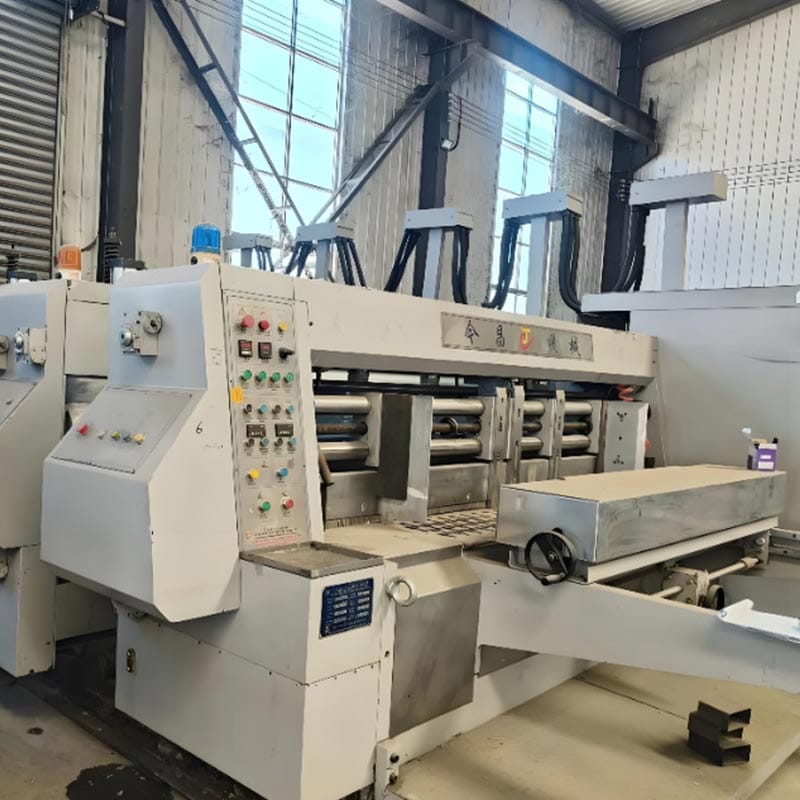
1. Check Whether the Manufacturer Has Copy Paper Packaging Experience
The first step is to confirm whether the supplier has real experience in copy paper packaging, not only general carton production. Copy paper packaging has specific requirements because the product is heavy, flat, moisture-sensitive, and often shipped in bulk.
Common copy paper packaging applications include:
- A4 copy paper packaging
- Letter size copy paper cartons
- Legal size copy paper cartons
- 500 sheets ream packaging
- 5 reams or 10 reams per carton
- OEM copy paper packaging
- Private label copy paper cartons
- Export cartons for paper mills and distributors
A professional copy paper packaging manufacturer should understand how the packaging performs during stacking, loading, sea freight, and warehouse storage. If a supplier only focuses on low price but cannot explain carton structure, material strength, printing method, or packing format, it may not be suitable for long-term cooperation.
2. Compare Material Quality and Carton Strength
Copy paper is heavy, so carton strength is one of the most important factors. A carton may look good in pictures, but it still needs to perform well during stacking, handling, and transportation.
For wholesale and export orders, buyers should ask about:
- Paperboard material
- Corrugated board structure
- Flute type
- Board grammage
- Compression resistance
- Edge crush strength
- Burst strength
- Load-bearing performance
Corrugated cartons are commonly used for copy paper packaging because they provide better strength and protection for bulk shipping. The right material choice depends on paper size, carton weight, number of reams, storage environment, and transportation distance.
| Packaging Factor | Why It Matters | What Buyers Should Check |
|---|---|---|
| Corrugated board strength | Helps prevent cartons from collapsing during stacking | Board grade, flute type, compression resistance |
| Moisture resistance | Helps reduce paper deformation and humidity damage | Material selection, storage requirements, inner protection |
| Printing quality | Affects brand image and retail presentation | Color accuracy, logo clarity, surface finish |
| Carton size accuracy | Improves packing efficiency and reduces product movement | Exact dimensions for A4, Letter, Legal, or custom sizes |
| Export durability | Reduces damage during sea freight and warehouse handling | Carton structure, sealing method, palletizing support |
A reliable carton supplier for copy paper should be able to recommend suitable materials based on your product specifications and shipping method.
3. Confirm Customization and OEM Packaging Capability
Many paper brands, importers, and distributors need custom copy paper packaging for their own markets. In this case, the manufacturer should provide more than standard cartons.
OEM copy paper packaging may include:
- Custom carton size
- Custom logo printing
- Brand color matching
- Product information layout
- Barcode or QR code printing
- Multi-language packaging design
- Private label packaging
- Bulk production for repeat orders
If you are building a paper brand, packaging consistency is very important. The carton design, color, logo, and printed information should remain stable across different production batches.
Before placing an OEM order, buyers should ask whether the manufacturer can provide artwork checking, sample confirmation, color proofing, and mass production quality control. These steps help reduce printing mistakes and protect brand image.
4. Ask About Production Capacity and Lead Time
For B2B buyers, stable supply is often more important than a very low unit price. A copy paper packaging manufacturer should have enough production capacity to support repeat orders, seasonal demand, and urgent replenishment.
Before confirming cooperation, buyers should ask:
- What is your monthly production capacity?
- What is the normal lead time for standard cartons?
- How long does it take to produce custom copy paper packaging?
- Can you support large-volume wholesale orders?
- Can you maintain the same specifications for repeat OEM orders?
- How do you handle urgent orders?
A professional supplier should provide clear answers instead of vague promises. If you purchase for paper mills, import distribution, or large office supply channels, production stability directly affects your delivery schedule.
5. Review Printing Quality and Brand Presentation
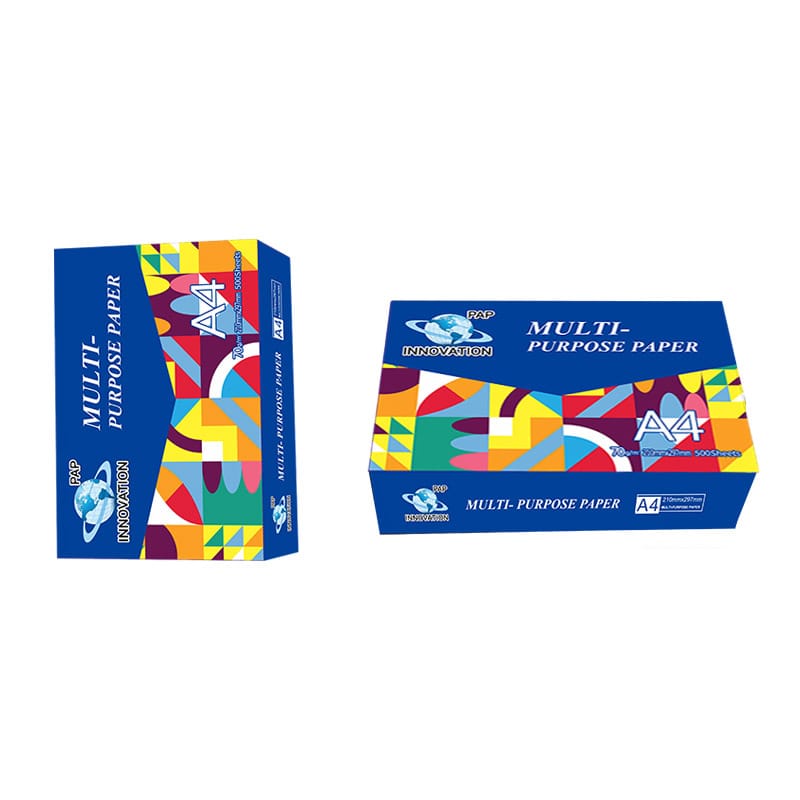
Copy paper packaging is also a marketing tool. For office paper brands and distributors, packaging is often the first thing customers see. Clear printing and professional design can improve product trust and shelf appeal.
When checking printing quality, buyers should pay attention to:
- Logo clarity
- Color consistency
- Text readability
- Barcode accuracy
- Surface cleanliness
- Ink adhesion
- Print alignment
- Packaging layout
For custom A4 copy paper packaging or OEM paper cartons, even small printing mistakes can affect brand image. A reliable supplier should have a clear pre-production approval process, including digital artwork confirmation or physical sample checking before mass production.
6. Consider Export Packaging and Logistics Requirements
If your copy paper packaging will be used for international trade, export durability is essential. Copy paper may be transported by sea freight, stored in warehouses, and moved through multiple logistics steps before reaching the final buyer.
Poor packaging may cause:
- Crushed cartons
- Wrinkled paper edges
- Moisture damage
- Broken carton corners
- Unstable pallet stacking
- Higher complaint rates
- Increased replacement costs
A suitable export copy paper packaging solution should consider carton strength, sealing method, pallet loading, container humidity, and long-distance compression. For bulk orders, it is also useful to discuss palletizing and loading methods with the supplier.
A manufacturer with export packaging experience can help reduce transportation risks and improve supply chain reliability.
7. Compare Price Based on Total Value, Not Only Unit Cost
Price is always important, but choosing the cheapest copy paper packaging supplier may create hidden costs. Low-quality cartons can lead to product damage, customer complaints, delayed delivery, and brand loss.
When comparing quotations, buyers should consider:
- Material grade
- Carton strength
- Printing quality
- Customization level
- MOQ requirement
- Sample cost
- Mass production lead time
- Packaging consistency
- Export performance
- After-sales support
A slightly higher-quality carton may save more money in the long term by reducing damage and improving customer satisfaction. For wholesale and OEM buyers, the best supplier is not always the cheapest one. It is the one that provides stable quality, clear communication, and reliable delivery.
8. Check Quality Control Before Mass Production
Quality control is another key point when choosing a copy paper packaging manufacturer. A reliable supplier should inspect raw materials, printing quality, dimensions, carton strength, and final packing before shipment.
Buyers can ask whether the supplier checks:
- Paperboard quality before production
- Printing color and content before mass printing
- Carton dimensions after cutting and folding
- Glue or sealing strength
- Carton compression performance
- Final packing quantity
- Shipment condition before loading
For OEM orders, it is useful to keep approved samples as production standards. This helps avoid misunderstandings and ensures every batch follows the confirmed design and specifications.
9. Make Sure Communication Is Clear and Professional
Good communication can prevent many problems in international purchasing. A reliable copy paper packaging manufacturer should respond clearly, understand technical requirements, and provide practical suggestions instead of only pushing for quick payment.
Professional communication usually includes:
- Clear quotation details
- Accurate product specifications
- Material and printing explanation
- Sample confirmation process
- Production schedule updates
- Packaging and shipping suggestions
- Fast response to changes or questions
If a supplier cannot explain basic packaging details or frequently changes information, buyers should be careful before placing a large order.
10. Choose a Manufacturer That Can Support Long-Term Growth
For paper brands, importers, and distributors, copy paper packaging is not a one-time purchase. As your business grows, you may need more packaging sizes, new designs, stronger cartons, or different market versions.
A strong manufacturer should be able to support:
- Standard copy paper cartons
- Custom A4 copy paper packaging
- Letter and Legal size paper packaging
- Private label packaging
- OEM and ODM packaging projects
- Bulk wholesale orders
- Export packaging solutions
- Continuous product improvement
Long-term cooperation can help reduce development time, improve packaging consistency, and make future orders more efficient.
Conclusion
Choosing a reliable copy paper packaging manufacturer is essential for protecting paper products, improving brand image, and reducing supply chain risks. Buyers should not only compare prices, but also evaluate material quality, carton strength, customization ability, printing quality, production capacity, export experience, and quality control.
For paper mills, office paper brands, importers, and wholesale distributors, the right packaging supplier can help improve product safety, reduce logistics damage, and create a more professional brand presentation.
If you need custom copy paper packaging, OEM copy paper cartons, or export-ready copy paper packaging solutions, working with an experienced manufacturer can make your bulk purchasing process more reliable and efficient.
FAQ
What is copy paper packaging?
Copy paper packaging refers to the wrappers, cartons, and outer boxes used to protect and display copy paper during storage, shipping, wholesale distribution, and retail sales. It usually includes ream packaging and outer corrugated cartons.
Why is carton strength important for copy paper packaging?
Copy paper is heavy and often stacked in warehouses or containers. Strong cartons help prevent compression damage, carton collapse, and paper edge deformation during transportation.
Can copy paper packaging be customized?
Yes. Custom copy paper packaging can include custom size, logo printing, brand colors, barcode printing, product information, and private label design for OEM paper brands and distributors.
What should I check before ordering OEM copy paper packaging?
Before ordering, buyers should confirm carton size, material strength, printing design, MOQ, sample process, lead time, quality control standards, and export packaging requirements.
How do I choose a copy paper carton supplier?
Choose a supplier with experience in copy paper packaging, stable production capacity, clear customization options, good printing quality, strong carton materials, and reliable export packaging experience.