
Table of Contents
Copy paper wrapper GSM should be specified against the intended paper product, packing operation and distribution route. Wrapper GSM must state which material layer is being measured. The basis weight of the paper component differs from the total mass per area of a laminated wrapper. Confusing the two can make quotations appear comparable when they describe different constructions. Ask for the layer structure as well as the numerical GSM value.
Define the scope of copy paper wrapper GSM
Keep paper basis weight, film thickness and the identity of other functional layers separate. Total mass affects roll weight and consumption calculations, while each layer can influence folding, stiffness, print and closure behavior. A heavier wrapper is not automatically a better moisture barrier or a better fit for the machine.
How to evaluate copy paper wrapper GSM
Request the supplier's measurement basis and agreed tolerances. Compare representative material under consistent conditioning and confirm the final construction on the order. If a candidate changes the paper component, inspect fold behavior and print along with the measured mass. A mass-per-area result alone cannot establish all functional properties.
Compare the purchasing options and evidence
The following comparison turns copy paper wrapper GSM into a specific purchasing conversation. The right-hand evidence column identifies what the buyer should request before accepting the proposed approach. It is a decision aid, not a universal specification or a supplier performance claim.
| Review item | Incomplete approach | Preferred approval basis | Evidence to retain |
|---|---|---|---|
| GSM basis | One unlabeled number | Paper layer or total laminate identified | Material specification |
| Comparison | Equal GSM means equivalent | Layer structure and functional trial | Candidate sample record |
| Mass estimate | Paper GSM only | Declared complete-wrapper basis | Area-to-mass calculation |
Work through a practical example
For illustration, a paper layer specified at 70 g/m² is not the total basis weight of that paper after a film and bonding layer are added. A buyer calculating the weight of a 1,000 m² roll from 70 g/m² alone would omit those other contributions. Use the declared total construction where a roll-mass estimate is needed.
Review copy paper wrapper film thickness alongside copy paper wrapper GSM
The decision about copy paper wrapper GSM also interacts with copy paper wrapper film thickness. Review this connection where it affects the proposed material, production process or delivery configuration.
Use micrometers or another explicitly stated unit and distinguish nominal values from the acceptance range. Confirm whether the thickness refers to a standalone film or a measured laminate component. Comparing total wrapper thickness with film thickness produces a misleading result even when both are reported in the same unit.
Review the proposed film with the converter and identify which properties require rechecking. Depending on the construction, these may include fold behavior, surface friction, barrier, bond integrity and closure compatibility. Obtain production-representative material rather than relying only on a film supplier's generic data sheet.
Review paper ream wrapper stiffness alongside copy paper wrapper GSM
The decision about copy paper wrapper GSM also interacts with paper ream wrapper stiffness. Review this connection where it affects the proposed material, production process or delivery configuration.
Distinguish stiffness from thickness and basis weight. Two constructions with similar mass can bend differently because their layers and bonding differ. Direction also matters for paper-based materials. Record the orientation of the material on the line and the location of folds that are sensitive to resistance or springback.
Compare candidates with the same ream and machine setup, then assess the relevant operating window with the equipment owner. Observe feed stability, fold definition and seam behavior. Do not approve a material solely by bending a small hand sample, which does not reproduce the web width, speed or full pack geometry.
Approve copy paper wrapper GSM and control changes
Approve the component specification and total measurement basis together. State clearly which value the supplier must report for incoming inspection and commercial quantity reconciliation. Do not substitute a new construction solely because its total GSM matches the old wrapper.
Compare quotations with the same technical scope for copy paper wrapper GSM
A useful copy paper wrapper GSM quotation begins with a common buyer brief. Give each supplier the same product geometry, quantity allocation, artwork status and delivery requirement. Identify open technical decisions instead of allowing each bidder to fill them silently. Comparable inputs make it possible to understand whether a price difference comes from efficiency, scope or a different packaging proposal.
Separate the technical assumptions in each copy paper wrapper GSM offer from the commercial totals. Check material identity, dimensions, included preparation and sample obligations. A lower price may exclude a step included elsewhere, or it may refer to another construction. Resolve those differences before ranking the offers, especially where the missing item affects production readiness.
State the quantity basis for copy paper wrapper GSM clearly. Pieces, rolls, area, length and mass are not interchangeable without a defined conversion. Where a calculation is used, keep the relevant dimensions and material assumptions beside it. Also distinguish the supplier's delivered quantity from the usable output expected in the buyer's process.
Ask how changes will be priced in the copy paper wrapper GSM program. A first order and a repeat order can carry different preparation requirements, while a revised design may affect only part of the setup. Request a practical explanation of the change process. This helps the buyer evaluate a realistic purchasing relationship rather than one unusually favorable initial quantity.
Review the copy paper wrapper GSM proposal against the sample and evidence requirements in the brief. A commercial acknowledgement does not settle a technical question that still needs testing or a production proof. Record those open items with a responsible owner and a decision date. Avoid releasing a full production order on the assumption that the sample will inevitably pass.
Confirm the selected copy paper wrapper GSM offer with its final specification and commercial basis attached. Retain the alternatives and the reason for selection so future purchasers understand the tradeoff. Before a later reorder, revisit any assumptions that have changed, including quantity mix, delivery form or the product configuration that originally supported the comparison.
Prepare a clear request for quotation
To discuss copy paper wrapper GSM with Huasheng, provide the paper format, wrapped ream dimensions, intended quantity and the requirements highlighted above. Include the approved artwork if printing is involved, plus photographs or drawings that show the current packaging. Request confirmation of the proposed construction and sampling steps before production.
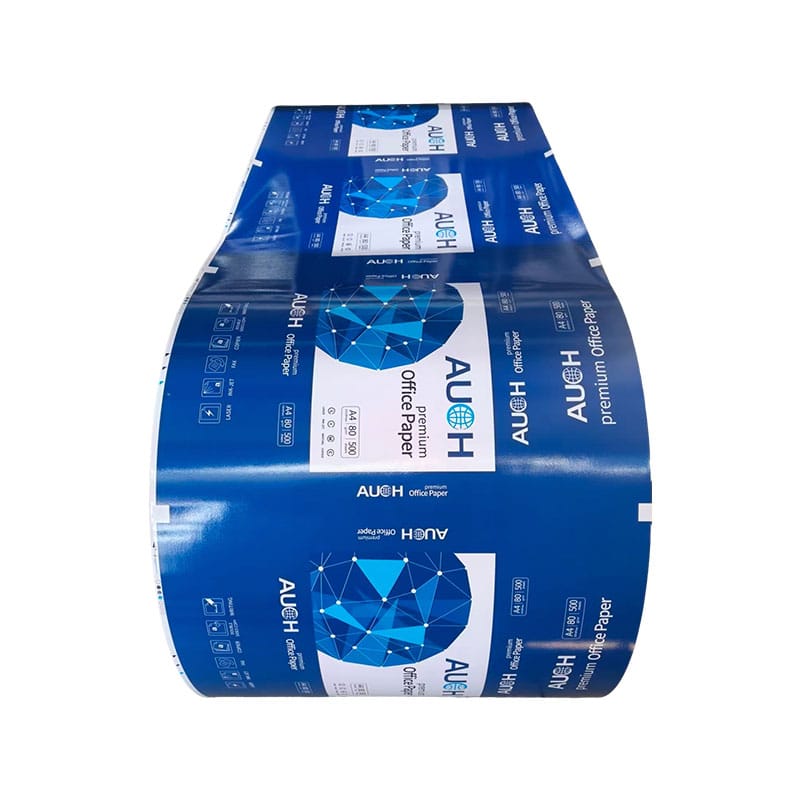
Review the relevant Printed Packaging Roll for Copy Paper Reams and custom packaging services when preparing the brief. A product photograph illustrates the packaging family; it does not establish a tested strength, exact size or machine setting for your order.
For additional context while evaluating copy paper wrapper GSM, see Heavy Copy Paper Packaging: How to Protect Higher-GSM Paper Products; Ream Wrapper Winding Direction: How to Approve a Printed Roll. Technical reference: ISTA guidance on retesting after changes. Ask the responsible specialist which method applies to the actual package and use case.
Send your copy paper wrapper GSM requirements through the inquiry form below. State the items that are already approved and the decisions that still need a sample or technical review. A defined brief makes the supplier’s proposal easier to compare and helps the next production run follow the same accepted requirements.
Frequently asked questions
What should buyers confirm first about copy paper wrapper GSM?
Wrapper GSM must state which material layer is being measured. The basis weight of the paper component differs from the total mass per area of a laminated wrapper. Begin with the actual product and process so the supplier can review a defined requirement.
What evidence is needed to approve copy paper wrapper GSM?
Request the supplier’s measurement basis and agreed tolerances. Compare representative material under consistent conditioning and confirm the final construction on the order. Keep the evidence linked to the copy paper wrapper GSM specification and the sample used.
Can a photograph or a nominal specification replace a physical sample?
For copy paper wrapper GSM, a photograph or nominal value documents only part of the requirement. Keep paper basis weight, film thickness and the identity of other functional layers separate. Total mass affects roll weight and consumption calculations, while each layer can influence folding, stiffness, print and closure behavior. Use the relevant measurements and functional checks before approval.
Which common purchasing mistake should be avoided?
When reviewing copy paper wrapper GSM, avoid treating “one unlabeled number” as complete evidence. Prefer “paper layer or total laminate identified” and retain the material specification. Approve the component specification and total measurement basis together.
What should be reconfirmed on a repeat order?
Reconfirm the approved copy paper wrapper GSM specification, sample reference and any changes to material, geometry or operating conditions. Approve the component specification and total measurement basis together. State clearly which value the supplier must report for incoming inspection and commercial quantity reconciliation.