
Table of Contents
Paper ream wrapper tensile strength should be specified against the intended paper product, packing operation and distribution route. Tensile strength helps describe how wrapper material responds when pulled under a defined test. It can support material selection and investigation of web breaks, but it must be read with the test direction, specimen details and method. A single strength number cannot explain every break on a wrapping line.
Define the scope of paper ream wrapper tensile strength
Machine-direction and cross-direction results may differ, and the finished laminate can behave differently from one constituent layer. Edge damage, a splice or an abrupt tension event may initiate a break before the nominal material strength is reached. Record elongation and the observed failure location where the test method provides that information.
How to evaluate paper ream wrapper tensile strength
Ask the supplier or laboratory to identify the test method, conditioning and orientation. Compare candidate materials using a consistent basis and keep individual results where available. In a line investigation, preserve the failed web section and mark its position on the roll so the laboratory result can be connected to the actual event.
Compare the purchasing options and evidence
The following comparison turns paper ream wrapper tensile strength into a specific purchasing conversation. The right-hand evidence column identifies what the buyer should request before accepting the proposed approach. It is a decision aid, not a universal specification or a supplier performance claim.
| Review item | Incomplete approach | Preferred approval basis | Evidence to retain |
|---|---|---|---|
| Direction | One unlabeled result | MD and CD identified where relevant | Oriented test specimens |
| Investigation | All breaks blamed on weak material | Origin and operating event recorded | Failed-web sample |
| Use | Test force used as machine setting | Material result considered with line trial | Qualified operating record |
Work through a practical example
If breaks occur repeatedly at one slit edge, increasing average tensile strength may leave the underlying edge defect unchanged. A controlled comparison should examine edge condition and web-path contact alongside tensile data. A break across the full width during acceleration suggests a different investigation from a tear beginning at a damaged edge.
Review paper ream wrapper tear resistance alongside paper ream wrapper tensile strength
The decision about paper ream wrapper tensile strength also interacts with paper ream wrapper tear resistance. Review this connection where it affects the proposed material, production process or delivery configuration.
Identify whether tearing begins at the web edge, a fold, a splice or a contact point with the ream. Keep direction and material construction in the test record. A paper-film laminate may fail through different layers at different stages, so describing the damage simply as a split wrapper can hide useful information.
Compare intact and failed samples under a consistent method and examine the cut-edge quality. During a line trial, record the location and timing of tears without changing multiple settings together. Inspect finished packs after handling to distinguish a wrapping-stage defect from damage introduced later in the carton or warehouse.
Review ream wrapper roll tension alongside paper ream wrapper tensile strength
The decision about paper ream wrapper tensile strength also interacts with ream wrapper roll tension. Review this connection where it affects the proposed material, production process or delivery configuration.
Winding conditions influence roll build, while the line's tension system must guide the web without causing unwanted stretch, wrinkles or breaks. Roll diameter, material stiffness and machine response can change the operating behavior. A setting copied from another material may not produce the same result.
Inspect incoming roll condition before adjusting the line. Record telescoping, loose edges, crushed cores and visible wrinkles separately from operating events. During a controlled trial, work with the equipment owner to assess the approved range and document startup, steady running and changeover behavior. Avoid prescribing a numerical tension without the relevant machine and material data.
Approve paper ream wrapper tensile strength and control changes
Use tensile requirements as one part of the material specification and line qualification. Avoid converting a laboratory force value directly into a machine tension setting. The equipment owner and material supplier should agree the operating approach for the actual construction and machine.
Qualify the specification before the first order for paper ream wrapper tensile strength
For paper ream wrapper tensile strength, start qualification by naming the decision that the sample must support. Identify the product, operating conditions and delivery form covered by the approval. Make the boundary explicit: one sample may represent a particular SKU and material, while another size or construction may still need review. This prevents a narrow successful trial from becoming an unsupported approval for the whole range.
The paper ream wrapper tensile strength brief should separate fixed requirements from open choices. Put the buyer's mandatory dimensions, artwork and interface limits in one column, and the supplier's proposed solutions in another. Resolve differences while samples are still inexpensive to change. An attractive proposal is easier to assess when the buyer can see exactly which requirements it accepts and which it asks to revise.
Select representative samples for the paper ream wrapper tensile strength evaluation. Include normal production variation and the conditions most likely to challenge the design. Ask how each sample was made and whether it uses the intended material and conversion route. A hand-prepared mockup can resolve appearance or geometry, but its manufacturing history may limit what it demonstrates about production consistency.
Agree the acceptance method for paper ream wrapper tensile strength before examining the final results. Define the observations that matter, the reference used for comparison and who will decide borderline cases. Keep measurements with units and retain relevant photographs. When two candidates are compared, use the same method so a difference in the test does not masquerade as a difference in the packaging.
At the paper ream wrapper tensile strength approval meeting, distinguish verified requirements from unresolved items. A sample can be accepted for artwork while its material or functional review remains open. Record that limited status accurately. Assign the next action and the person responsible instead of treating a signature on one proof as authorization for every aspect of mass production.
Release the accepted paper ream wrapper tensile strength specification with its sample identifier and revision. During the first delivery, check that the supplied item matches that reference and observe it in the intended operation. Preserve any departure from the qualified conditions. The first production order should close the loop between the sample decision and the material that the packing team actually receives.
Prepare a clear request for quotation
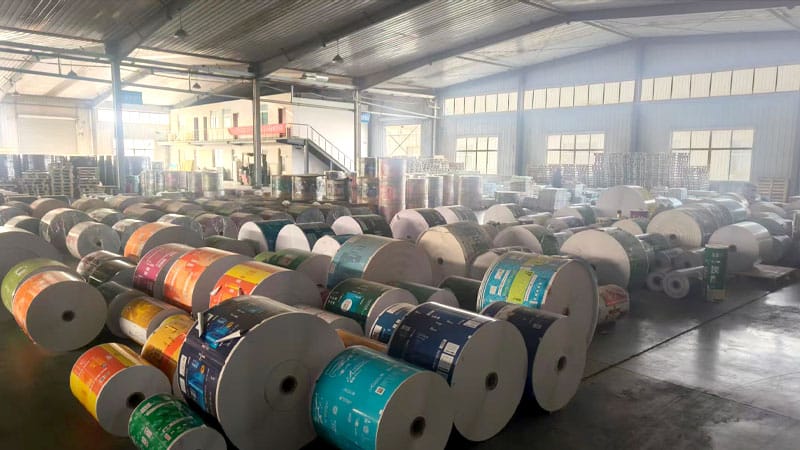
To discuss paper ream wrapper tensile strength with Huasheng, provide the paper format, wrapped ream dimensions, intended quantity and the requirements highlighted above. Include the approved artwork if printing is involved, plus photographs or drawings that show the current packaging. Request confirmation of the proposed construction and sampling steps before production.
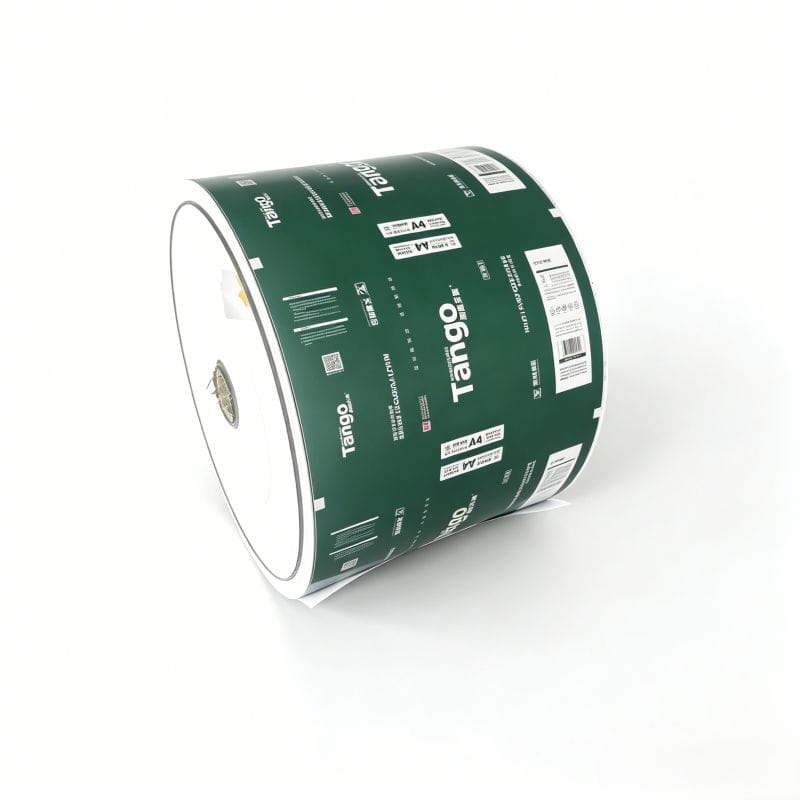
Review the relevant Printed Packaging Roll for Copy Paper Reams and custom packaging services when preparing the brief. A product photograph illustrates the packaging family; it does not establish a tested strength, exact size or machine setting for your order.
For additional context while evaluating paper ream wrapper tensile strength, see Corrugated Carton for Copy Paper Guide: Strength, Print, and Export Use; Copy Paper Box Weight Guide for Carton Strength and Shipping Review. Technical reference: ISTA guidance on retesting after changes. Ask the responsible specialist which method applies to the actual package and use case.
Send your paper ream wrapper tensile strength requirements through the inquiry form below. State the items that are already approved and the decisions that still need a sample or technical review. A defined brief makes the supplier’s proposal easier to compare and helps the next production run follow the same accepted requirements.
Frequently asked questions
What should buyers confirm first about paper ream wrapper tensile strength?
Tensile strength helps describe how wrapper material responds when pulled under a defined test. It can support material selection and investigation of web breaks, but it must be read with the test direction, specimen details and method. Begin with the actual product and process so the supplier can review a defined requirement.
What evidence is needed to approve paper ream wrapper tensile strength?
Ask the supplier or laboratory to identify the test method, conditioning and orientation. Compare candidate materials using a consistent basis and keep individual results where available. Keep the evidence linked to the paper ream wrapper tensile strength specification and the sample used.
Can a photograph or a nominal specification replace a physical sample?
For paper ream wrapper tensile strength, a photograph or nominal value documents only part of the requirement. Machine-direction and cross-direction results may differ, and the finished laminate can behave differently from one constituent layer. Edge damage, a splice or an abrupt tension event may initiate a break before the nominal material strength is reached. Use the relevant measurements and functional checks before approval.
Which common purchasing mistake should be avoided?
When reviewing paper ream wrapper tensile strength, avoid treating “one unlabeled result” as complete evidence. Prefer “md and cd identified where relevant” and retain the oriented test specimens. Use tensile requirements as one part of the material specification and line qualification.
What should be reconfirmed on a repeat order?
Reconfirm the approved paper ream wrapper tensile strength specification, sample reference and any changes to material, geometry or operating conditions. Use tensile requirements as one part of the material specification and line qualification. Avoid converting a laboratory force value directly into a machine tension setting.