
Table of Contents
Ream wrapper roll length should be specified against the intended paper product, packing operation and distribution route. Roll length should be defined as a measurable supply quantity and connected to the usable output of the wrapping operation. Total wound length is not necessarily usable production length. Leader material, trial setup, splices and rejected sections can affect the number of acceptable reams produced from a roll.
Define the scope of ream wrapper roll length
Agree how the converter measures or calculates supplied length and how it is identified on the label. Keep length separate from nominal outside diameter, because diameter-based estimates depend on material caliper and winding assumptions. The buyer should understand the basis of any commercial quantity statement.
How to evaluate ream wrapper roll length
During a trial, record the supplied quantity, startup consumption, splice losses and acceptable finished packs. Use the approved print repeat or cut length in the calculation. Investigate discrepancies by checking measurement basis and actual waste before assuming that every difference represents a short shipment.
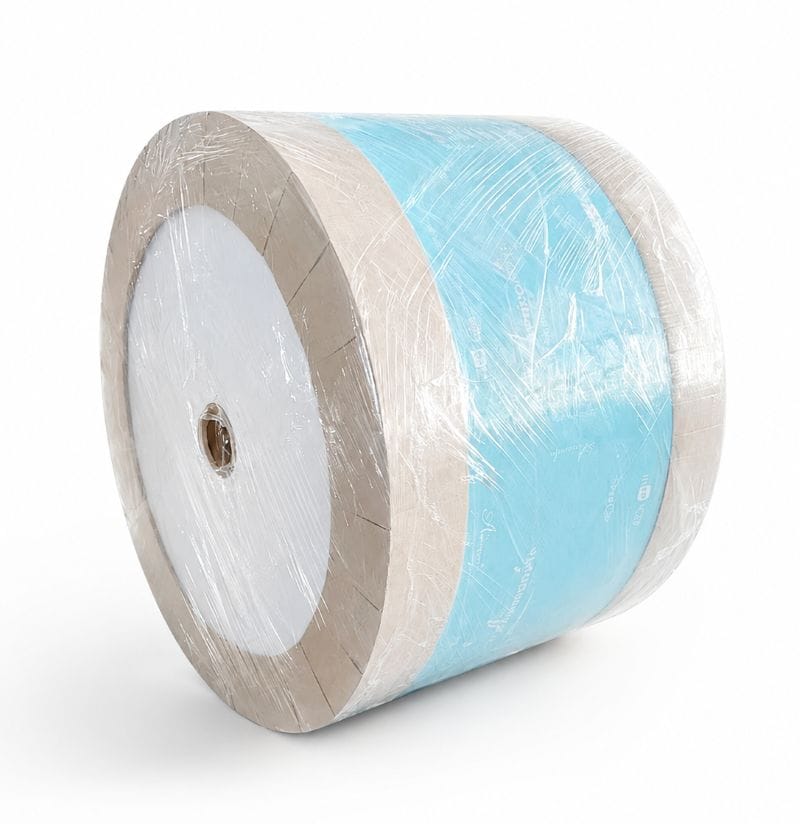
Compare the purchasing options and evidence
The following comparison turns ream wrapper roll length into a specific purchasing conversation. The right-hand evidence column identifies what the buyer should request before accepting the proposed approach. It is a decision aid, not a universal specification or a supplier performance claim.
| Review item | Incomplete approach | Preferred approval basis | Evidence to retain |
|---|---|---|---|
| Quantity | Diameter used as exact length | Declared measurement basis | Supplier length record |
| Yield | Total length equals finished packs | Setup and losses separated | Production reconciliation |
| Label | Unqualified meters | Length, roll ID and specification | Incoming roll label |
Work through a practical example
For a simplified planning example, 1,000 m of usable web divided by a 0.5 m cut length gives 2,000 theoretical cuts. The example excludes setup and other losses and does not specify a real wrapper layout. If only total roll length is known, deduct or separately account for the agreed nonproductive sections before forecasting output.
Review copy paper packaging roll width alongside ream wrapper roll length
The decision about ream wrapper roll length also interacts with copy paper packaging roll width. Review this connection where it affects the proposed material, production process or delivery configuration.
First establish how the web is oriented relative to the ream and which dimension is controlled by roll width versus cut repeat. A drawing should identify both axes and the printed face. Ambiguous orientation can produce a roll with apparently correct numbers that cannot form the intended pack.
Measure production-representative reams and review the proposed width with the equipment owner. Check slit-edge quality and width variation on samples. Trial the material through folding and closure, observing whether excess width bunches at the ends or insufficient width leaves the fold incomplete. Do not use operator force to compensate for a dimensional mismatch.
Review ream wrapper roll diameter alongside ream wrapper roll length
The decision about ream wrapper roll length also interacts with ream wrapper roll diameter. Review this connection where it affects the proposed material, production process or delivery configuration.
Distinguish maximum outside diameter from core diameter and record the condition in which it is measured. Check guards, neighboring structures and the path used to place the roll on the machine. A roll that fits after loading may still be difficult to maneuver safely into position with the available handling equipment.
Ask the machine owner to confirm limits for diameter, mass and core interface together. Inspect roll roundness and winding condition as well as its maximum size. Trial the first delivery using the agreed lifting and loading method. Keep personnel clear of unsafe handling experiments and use the equipment's approved operating procedure.
Approve ream wrapper roll length and control changes
State the required roll length and acceptable tolerance alongside diameter and mass constraints. Keep usable yield as a separate production metric. On repeat orders, compare like-for-like quantity definitions so changes in splice frequency or startup practice are not mistaken for changes in material supply.
Design a controlled trial that answers the buying question for ream wrapper roll length
A trial for ream wrapper roll length should answer one clear question. Write down the proposed change and the outcome that would justify adopting it. Identify the current acceptable reference where available. Without that starting point, a long trial can produce many observations but little evidence about whether the new packaging is preferable for the intended operation.
Keep the relevant comparison conditions stable during the ream wrapper roll length trial. Use the same product definition and record material, equipment and handling conditions. If another factor must change, note it explicitly and explain why. This makes the conclusion narrower but more defensible than attributing every result to the packaging while several process variables are moving at once.
Plan where samples will be observed in the ream wrapper roll length process. Early appearance, completed packing and post-handling condition can reveal different problems. Give each sample a traceable identifier and avoid mixing trial material with approved stock. Record the stage at which a defect first becomes visible so corrective action can focus on the relevant interaction.
During the ream wrapper roll length comparison, record usable output and the reasons for rejection. A gross count alone can reward an option that creates more waste or rework. Where time is part of the comparison, use the same observation period or normalize the result clearly. Keep calculated yields separate from direct observations so another reviewer can reproduce the arithmetic.
Review the ream wrapper roll length result with the people who will operate and inspect the package. Their observations can explain why a formally acceptable dimension is difficult to use or why an attractive surface creates a handling problem. Preserve these comments as specific events or conditions, rather than reducing the review to a general preference for one sample.
Finish the ream wrapper roll length trial with an explicit decision: accept, revise and retest, or reject the proposal. State the conditions covered by acceptance and list any remaining work. Carry the approved material and process references into the production order. A trial report has practical value only when the next delivery can be checked against the configuration that produced the result.
Prepare a clear request for quotation
To discuss ream wrapper roll length with Huasheng, provide the paper format, wrapped ream dimensions, intended quantity and the requirements highlighted above. Include the approved artwork if printing is involved, plus photographs or drawings that show the current packaging. Request confirmation of the proposed construction and sampling steps before production.
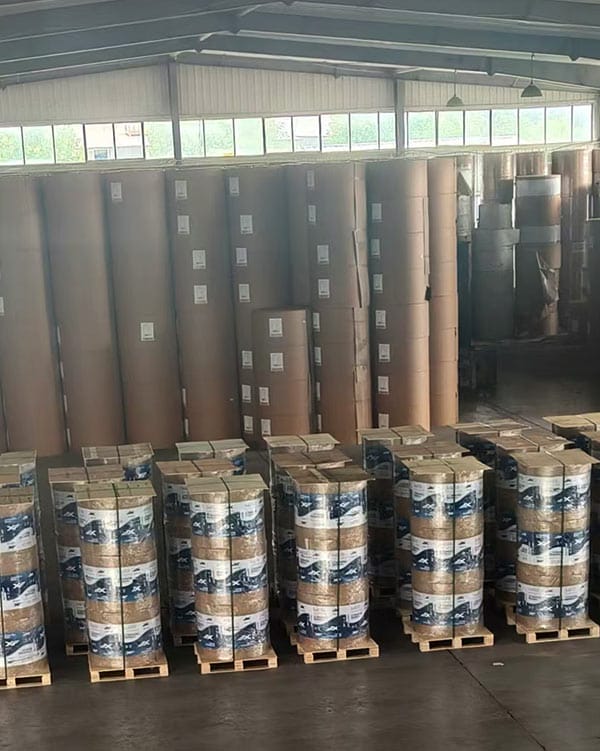
Review the relevant Printed Packaging Roll for Copy Paper Reams and custom packaging services when preparing the brief. A product photograph illustrates the packaging family; it does not establish a tested strength, exact size or machine setting for your order.
For additional context while evaluating ream wrapper roll length, see Ream Wrapper Winding Direction: How to Approve a Printed Roll; Copy Paper Packaging Roll Specifications Buyers Should Confirm. Technical reference: ISTA guidance on retesting after changes. Ask the responsible specialist which method applies to the actual package and use case.
Send your ream wrapper roll length requirements through the inquiry form below. State the items that are already approved and the decisions that still need a sample or technical review. A defined brief makes the supplier’s proposal easier to compare and helps the next production run follow the same accepted requirements.
Frequently asked questions
What should buyers confirm first about ream wrapper roll length?
Roll length should be defined as a measurable supply quantity and connected to the usable output of the wrapping operation. Total wound length is not necessarily usable production length. Begin with the actual product and process so the supplier can review a defined requirement.
What evidence is needed to approve ream wrapper roll length?
During a trial, record the supplied quantity, startup consumption, splice losses and acceptable finished packs. Use the approved print repeat or cut length in the calculation. Keep the evidence linked to the ream wrapper roll length specification and the sample used.
Can a photograph or a nominal specification replace a physical sample?
For ream wrapper roll length, a photograph or nominal value documents only part of the requirement. Agree how the converter measures or calculates supplied length and how it is identified on the label. Keep length separate from nominal outside diameter, because diameter-based estimates depend on material caliper and winding assumptions. Use the relevant measurements and functional checks before approval.
Which common purchasing mistake should be avoided?
When reviewing ream wrapper roll length, avoid treating “diameter used as exact length” as complete evidence. Prefer “declared measurement basis” and retain the supplier length record. State the required roll length and acceptable tolerance alongside diameter and mass constraints.
What should be reconfirmed on a repeat order?
Reconfirm the approved ream wrapper roll length specification, sample reference and any changes to material, geometry or operating conditions. State the required roll length and acceptable tolerance alongside diameter and mass constraints. Keep usable yield as a separate production metric.