
Table of Contents
Ream wrapper roll weight should be specified against the intended paper product, packing operation and distribution route. Roll weight needs a clear basis: wrapper material alone, material plus core, or the fully packed shipping unit. These figures serve different purposes in costing, handling and receiving. A purchase order should state which quantity is used commercially and which maximum mass the loading equipment must accommodate.
Define the scope of ream wrapper roll weight
Record width, supplied length and complete-wrapper basis weight when estimating net material mass. Add the core and transport protection separately for gross mass. A paper-layer GSM value omits other laminate components and will understate the mass if used as the complete construction.
How to evaluate ream wrapper roll weight
Weigh representative rolls using suitable calibrated equipment and reconcile the result with the declared basis. Keep pallet and protective-packaging tare distinguishable. Where weight is used as the commercial quantity, agree how tare, tolerances and moisture-related variation are handled in the receiving process.
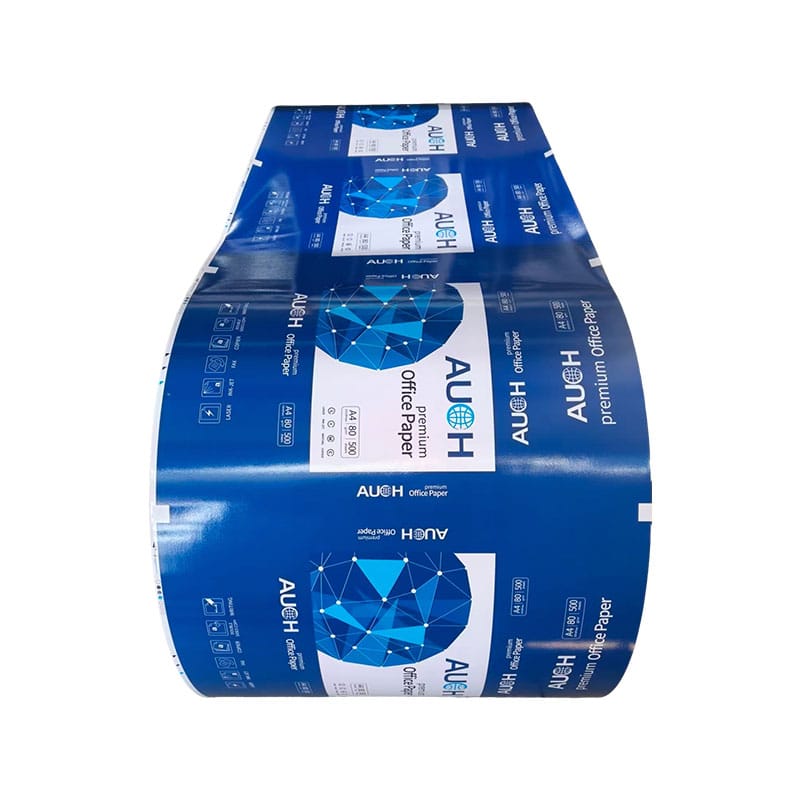
Compare the purchasing options and evidence
The following comparison turns ream wrapper roll weight into a specific purchasing conversation. The right-hand evidence column identifies what the buyer should request before accepting the proposed approach. It is a decision aid, not a universal specification or a supplier performance claim.
| Review item | Incomplete approach | Preferred approval basis | Evidence to retain |
|---|---|---|---|
| Basis | One unqualified weight | Net material, core and gross distinguished | Weight specification |
| Estimate | Paper GSM only | Complete-wrapper mass per area | Layer and area calculation |
| Handling | Use average roll weight | Confirm maximum delivered mass | Equipment compatibility record |
Work through a practical example
For an illustrative calculation, 0.6 m width × 1,000 m length × 100 g/m² total basis weight equals 60 kg of wrapper material. The core and shipping protection are additional. These example values are not a product specification or lifting recommendation; they show why a weight record must identify its included components.
Review copy paper wrapper GSM alongside ream wrapper roll weight
The decision about ream wrapper roll weight also interacts with copy paper wrapper GSM. Review this connection where it affects the proposed material, production process or delivery configuration.
Keep paper basis weight, film thickness and the identity of other functional layers separate. Total mass affects roll weight and consumption calculations, while each layer can influence folding, stiffness, print and closure behavior. A heavier wrapper is not automatically a better moisture barrier or a better fit for the machine.
Request the supplier's measurement basis and agreed tolerances. Compare representative material under consistent conditioning and confirm the final construction on the order. If a candidate changes the paper component, inspect fold behavior and print along with the measured mass. A mass-per-area result alone cannot establish all functional properties.
Review ream wrapper roll diameter alongside ream wrapper roll weight
The decision about ream wrapper roll weight also interacts with ream wrapper roll diameter. Review this connection where it affects the proposed material, production process or delivery configuration.
Distinguish maximum outside diameter from core diameter and record the condition in which it is measured. Check guards, neighboring structures and the path used to place the roll on the machine. A roll that fits after loading may still be difficult to maneuver safely into position with the available handling equipment.
Ask the machine owner to confirm limits for diameter, mass and core interface together. Inspect roll roundness and winding condition as well as its maximum size. Trial the first delivery using the agreed lifting and loading method. Keep personnel clear of unsafe handling experiments and use the equipment's approved operating procedure.
Approve ream wrapper roll weight and control changes
Approve the roll mass together with the machine and handling limits. Request labels that let receiving staff identify the quantity basis without guessing. When the material construction or supplied length changes, update both the cost calculation and the handling review.
Keep repeat orders tied to the correct revision for ream wrapper roll weight
Before a repeat purchase involving ream wrapper roll weight, retrieve the current approved item record. Check the structural drawing, material declaration, artwork and any operating qualification that applies. The last invoice or shipment number is useful history, but it may contain several items or a one-time concession. Identify the actual reference that the supplier is being asked to reproduce.
Review earlier exceptions in the ream wrapper roll weight program. A substitute material accepted during an urgent order should remain an exception unless it was formally qualified. List any unresolved corrective actions and ask for their status. This keeps a temporary workaround from becoming permanent simply because the next purchaser was unaware of the original decision.
Ask whether the conditions surrounding ream wrapper roll weight have changed. Paper dimensions, pack count, equipment, artwork or distribution can change the meaning of an otherwise familiar packaging specification. Classify each change by the requirements it may affect. The purpose is to identify relevant rechecks, rather than either repeating every test unnecessarily or assuming nothing needs attention.
Obtain a supplier acknowledgement of the ream wrapper roll weight revisions before production. If an alternative construction or process is proposed, request the reason and the evidence supporting equivalence. Keep the proposal visible until it is accepted. An informal assurance that the substitute is similar is insufficient when the changed characteristic is important to fit, operation or product protection.
For the repeat ream wrapper roll weight delivery, compare representative samples with the retained reference and the agreed acceptance records. Look for both compliance and meaningful shifts in behavior. A result that remains within a broad limit can still justify discussion if operators now need unusual adjustments. Record the observation without inventing a defect that the specification does not define.
Close the ream wrapper roll weight reorder by recording what was actually supplied and approved. Archive superseded files so they remain available for traceability but cannot be confused with current instructions. Carry the accepted revision into the next purchasing cycle, and keep the buyer's item code aligned with the supplier's code throughout the exchange.
Prepare a clear request for quotation
To discuss ream wrapper roll weight with Huasheng, provide the paper format, wrapped ream dimensions, intended quantity and the requirements highlighted above. Include the approved artwork if printing is involved, plus photographs or drawings that show the current packaging. Request confirmation of the proposed construction and sampling steps before production.
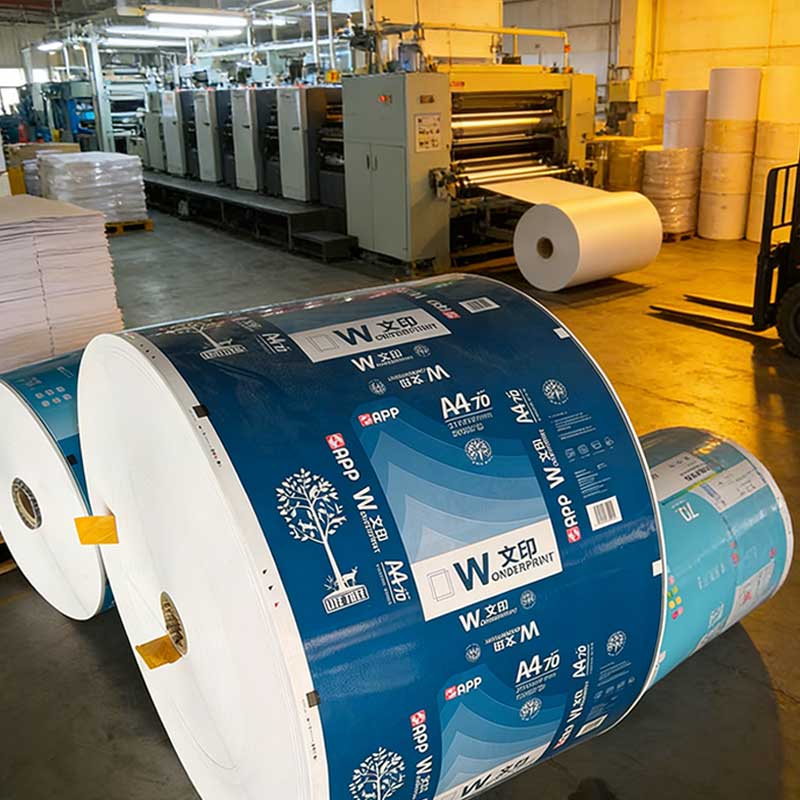
Review the relevant Printed Packaging Roll for Copy Paper Reams and custom packaging services when preparing the brief. A product photograph illustrates the packaging family; it does not establish a tested strength, exact size or machine setting for your order.
For additional context while evaluating ream wrapper roll weight, see Ream Wrapper Winding Direction: How to Approve a Printed Roll; Copy Paper Packaging Roll Specifications Buyers Should Confirm. Technical reference: ISTA guidance on retesting after changes. Ask the responsible specialist which method applies to the actual package and use case.
Send your ream wrapper roll weight requirements through the inquiry form below. State the items that are already approved and the decisions that still need a sample or technical review. A defined brief makes the supplier’s proposal easier to compare and helps the next production run follow the same accepted requirements.
Frequently asked questions
What should buyers confirm first about ream wrapper roll weight?
Roll weight needs a clear basis: wrapper material alone, material plus core, or the fully packed shipping unit. These figures serve different purposes in costing, handling and receiving. Begin with the actual product and process so the supplier can review a defined requirement.
What evidence is needed to approve ream wrapper roll weight?
Weigh representative rolls using suitable calibrated equipment and reconcile the result with the declared basis. Keep pallet and protective-packaging tare distinguishable. Keep the evidence linked to the ream wrapper roll weight specification and the sample used.
Can a photograph or a nominal specification replace a physical sample?
For ream wrapper roll weight, a photograph or nominal value documents only part of the requirement. Record width, supplied length and complete-wrapper basis weight when estimating net material mass. Add the core and transport protection separately for gross mass. Use the relevant measurements and functional checks before approval.
Which common purchasing mistake should be avoided?
When reviewing ream wrapper roll weight, avoid treating “one unqualified weight” as complete evidence. Prefer “net material, core and gross distinguished” and retain the weight specification. Approve the roll mass together with the machine and handling limits.
What should be reconfirmed on a repeat order?
Reconfirm the approved ream wrapper roll weight specification, sample reference and any changes to material, geometry or operating conditions. Approve the roll mass together with the machine and handling limits. Request labels that let receiving staff identify the quantity basis without guessing.