
Table of Contents
Ream wrapper roll tension should be specified against the intended paper product, packing operation and distribution route. Roll tension can refer to the conditions used when winding the material or to the tension applied while unwinding it on the wrapping line. Those are related but distinct controls. Buyers should describe the observed problem and the relevant process stage instead of asking for a universally tighter or looser roll.
Define the scope of ream wrapper roll tension
Winding conditions influence roll build, while the line's tension system must guide the web without causing unwanted stretch, wrinkles or breaks. Roll diameter, material stiffness and machine response can change the operating behavior. A setting copied from another material may not produce the same result.
How to evaluate ream wrapper roll tension
Inspect incoming roll condition before adjusting the line. Record telescoping, loose edges, crushed cores and visible wrinkles separately from operating events. During a controlled trial, work with the equipment owner to assess the approved range and document startup, steady running and changeover behavior. Avoid prescribing a numerical tension without the relevant machine and material data.
Compare the purchasing options and evidence
The following comparison turns ream wrapper roll tension into a specific purchasing conversation. The right-hand evidence column identifies what the buyer should request before accepting the proposed approach. It is a decision aid, not a universal specification or a supplier performance claim.
| Review item | Incomplete approach | Preferred approval basis | Evidence to retain |
|---|---|---|---|
| Meaning | One generic tension requirement | Winding and unwind controls separated | Process-stage definition |
| Diagnosis | Adjust settings before inspection | Inspect roll and record event timing | Incoming and trial records |
| Approval | Copy another material's setting | Qualify actual construction on the line | Equipment-owner approval |
Work through a practical example
If a web runs normally at steady speed but wrinkles during acceleration, the event history matters. Increasing the supplier's winding hardness may not address the line's transient response. Compare a known-good roll and record the timing of the symptom before changing either the material specification or machine setup.
Review paper ream wrapper stiffness alongside ream wrapper roll tension
The decision about ream wrapper roll tension also interacts with paper ream wrapper stiffness. Review this connection where it affects the proposed material, production process or delivery configuration.
Distinguish stiffness from thickness and basis weight. Two constructions with similar mass can bend differently because their layers and bonding differ. Direction also matters for paper-based materials. Record the orientation of the material on the line and the location of folds that are sensitive to resistance or springback.
Compare candidates with the same ream and machine setup, then assess the relevant operating window with the equipment owner. Observe feed stability, fold definition and seam behavior. Do not approve a material solely by bending a small hand sample, which does not reproduce the web width, speed or full pack geometry.
Review paper ream wrapper tensile strength alongside ream wrapper roll tension
The decision about ream wrapper roll tension also interacts with paper ream wrapper tensile strength. Review this connection where it affects the proposed material, production process or delivery configuration.
Machine-direction and cross-direction results may differ, and the finished laminate can behave differently from one constituent layer. Edge damage, a splice or an abrupt tension event may initiate a break before the nominal material strength is reached. Record elongation and the observed failure location where the test method provides that information.
Ask the supplier or laboratory to identify the test method, conditioning and orientation. Compare candidate materials using a consistent basis and keep individual results where available. In a line investigation, preserve the failed web section and mark its position on the roll so the laboratory result can be connected to the actual event.
Approve ream wrapper roll tension and control changes
Keep incoming roll-build criteria and line operating instructions in separate but linked records. Ask the converter and equipment team to review evidence together when the cause is unclear. Requalify affected conditions after a material, roll-size or equipment change.
Organize receiving inspection around the approved evidence for ream wrapper roll tension
A receiving check for ream wrapper roll tension begins before the package is opened. Record item identity, quantity basis, visible protection and the position of any damage. Keep labels connected to the goods they identify. If several revisions or delivery lots arrive together, separate them in the record so a defect can be traced to the correct source.
For ream wrapper roll tension, choose inspection locations that answer the likely receiving risks. Include material from exposed positions and from within the delivery, using the agreed sampling plan. Do not let the most convenient top sample represent every bundle or roll. Preserve the distinction between a delivery-condition observation and a measured characteristic of the packaging itself.
Compare the delivered ream wrapper roll tension evidence with the approved reference using the same units and method. If the two sides disagree, first reconcile how each result was obtained. A change in measurement position, conditioning or interpretation can create an apparent nonconformance. Correcting the method avoids unnecessary material changes while keeping a real defect visible.
Where ream wrapper roll tension requires a functional check, observe a representative first run before the delivery is consumed widely. Record acceptable output and describe any failure by location and stage. Keep a known-good reference available if one exists. The trial should answer a specific receiving question, not become an uncontrolled attempt to adjust the process until every sample appears usable.
If the ream wrapper roll tension check finds a discrepancy, identify the affected quantity and keep it separate while the buyer and supplier agree a disposition. State what is known and what still needs investigation. A conditional acceptance should name the permitted use and limits, and it should not erase the original result from the receiving history.
Feed the receiving results back into the ream wrapper roll tension specification. Repeated observations may reveal an unclear acceptance rule or a characteristic that needs better control. Update the approved documents through a deliberate revision, then communicate the change to ordering and production staff. This is more reliable than allowing each delivery to establish a slightly different unwritten standard.
Prepare a clear request for quotation
To discuss ream wrapper roll tension with Huasheng, provide the paper format, wrapped ream dimensions, intended quantity and the requirements highlighted above. Include the approved artwork if printing is involved, plus photographs or drawings that show the current packaging. Request confirmation of the proposed construction and sampling steps before production.
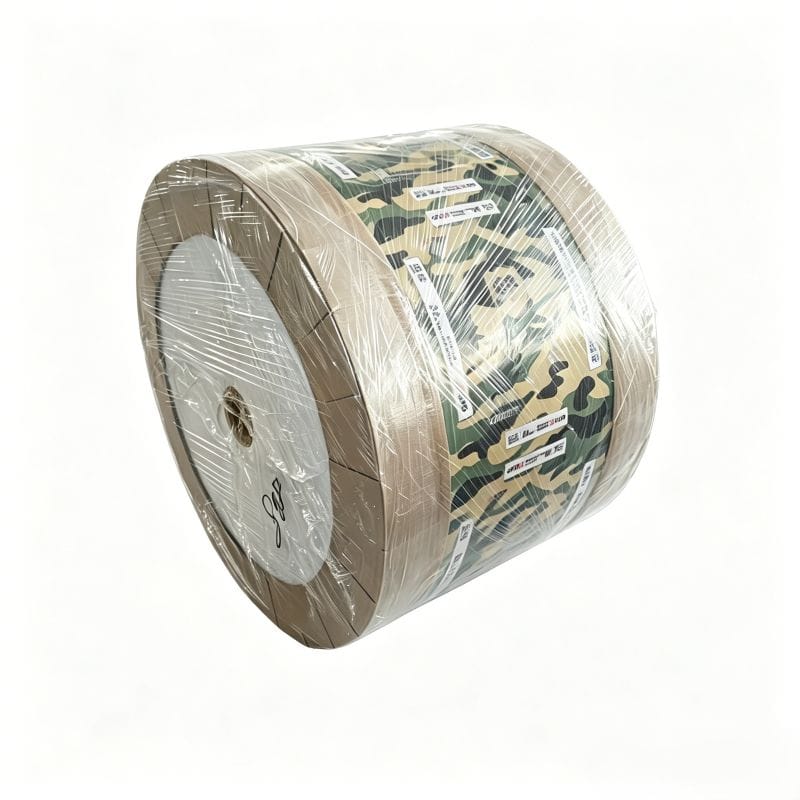
Review the relevant Printed Packaging Roll for Copy Paper Reams and custom packaging services when preparing the brief. A product photograph illustrates the packaging family; it does not establish a tested strength, exact size or machine setting for your order.
For additional context while evaluating ream wrapper roll tension, see Ream Wrapper Winding Direction: How to Approve a Printed Roll; Copy Paper Packaging Roll Specifications Buyers Should Confirm. Technical reference: ISTA guidance on retesting after changes. Ask the responsible specialist which method applies to the actual package and use case.
Send your ream wrapper roll tension requirements through the inquiry form below. State the items that are already approved and the decisions that still need a sample or technical review. A defined brief makes the supplier’s proposal easier to compare and helps the next production run follow the same accepted requirements.
Frequently asked questions
What should buyers confirm first about ream wrapper roll tension?
Roll tension can refer to the conditions used when winding the material or to the tension applied while unwinding it on the wrapping line. Those are related but distinct controls. Begin with the actual product and process so the supplier can review a defined requirement.
What evidence is needed to approve ream wrapper roll tension?
Inspect incoming roll condition before adjusting the line. Record telescoping, loose edges, crushed cores and visible wrinkles separately from operating events. Keep the evidence linked to the ream wrapper roll tension specification and the sample used.
Can a photograph or a nominal specification replace a physical sample?
For ream wrapper roll tension, a photograph or nominal value documents only part of the requirement. Winding conditions influence roll build, while the line’s tension system must guide the web without causing unwanted stretch, wrinkles or breaks. Roll diameter, material stiffness and machine response can change the operating behavior. Use the relevant measurements and functional checks before approval.
Which common purchasing mistake should be avoided?
When reviewing ream wrapper roll tension, avoid treating “one generic tension requirement” as complete evidence. Prefer “winding and unwind controls separated” and retain the process-stage definition. Keep incoming roll-build criteria and line operating instructions in separate but linked records.
What should be reconfirmed on a repeat order?
Reconfirm the approved ream wrapper roll tension specification, sample reference and any changes to material, geometry or operating conditions. Keep incoming roll-build criteria and line operating instructions in separate but linked records. Ask the converter and equipment team to review evidence together when the cause is unclear.