
Quick answer for buyers
Copy Paper Packaging Failure Analysis is a practical purchasing topic for paper importers, distributors, and private label paper brands. Buyers should use Copy Paper Packaging Failure Analysis to confirm carton structure, paper fit, printing details, storage conditions, inspection points, and supplier responsibilities before sampling or mass production.
Table of Contents
- Why Failure Analysis Is Needed
- Separate Symptoms From Causes
- Document the Damage Pattern
- Carton Structure Factors
- Ream Wrap and Inner Protection
- Warehouse and Transport Variables
- Questions for Suppliers and Warehouses
- Corrective Action Planning
- What Not to Assume
copy paper packaging failure analysis is the process of looking past visible damage and finding why it happened. A crushed carton, torn ream wrap, waved sheet edge, or scuffed printed panel is only a symptom. The real cause may be carton design, material choice, pallet overhang, humidity, loading practice, or a combination of several small problems.
For paper brands, importers, and distributors, copy paper packaging failure analysis is valuable because it prevents repeated complaints. Replacing damaged goods may solve one order, but it does not fix the packaging system. A structured review helps buyers decide whether to change the carton, adjust the wrap, improve palletizing, or give clearer handling instructions.
This article explains a practical method for copy paper packaging failure analysis in copy paper and printing paper packaging. It is written for teams that need professional discussion with packaging suppliers and logistics partners, not vague blame after damage is discovered.
Why Failure Analysis Is Needed
Copy paper packaging failures often appear late in the supply chain. The product may leave the factory in acceptable condition, then show damage after export, warehouse storage, or local delivery. Without a disciplined review, teams may blame the most visible party instead of finding the cause.
copy paper packaging failure analysis brings order to that discussion. It asks what failed, where the damage appeared, when it was discovered, how widespread it was, and which conditions were different from normal. This prevents quick assumptions and helps buyers identify the most likely improvement.
The general method is similar to broader failure analysis: observe, document, compare, test, and correct. In packaging, the evidence includes cartons, ream wraps, pallets, loading photos, storage conditions, and receiving notes.
Separate Symptoms From Causes
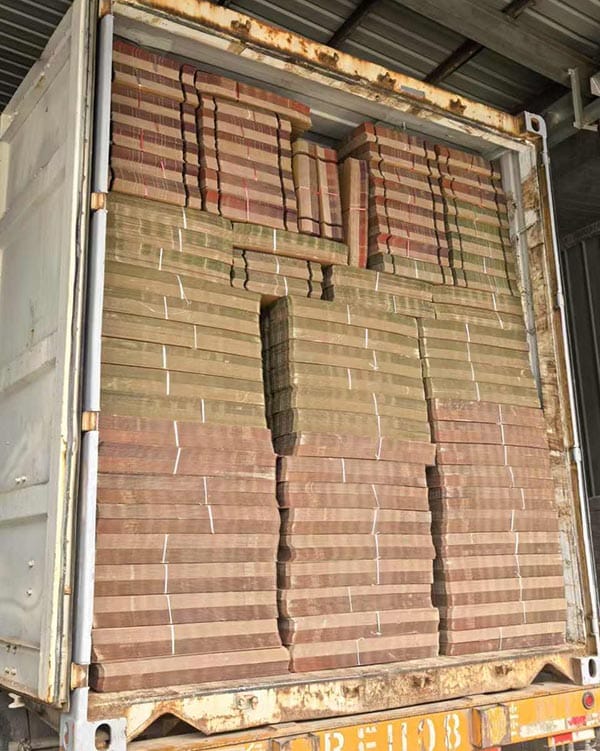
A symptom is what you see. A cause is what created it. Crushed lower cartons are a symptom. Possible causes include insufficient compression strength, excessive stack height, pallet overhang, weak board after moisture exposure, or rough forklift handling. Torn ream wraps are a symptom. Possible causes include tight carton fit, rough inner surfaces, weak wrap folds, or movement during transport.
copy paper packaging failure analysis starts by listing symptoms without jumping to conclusions. Describe the damage in plain terms: corner crush, side panel bowing, glue seam opening, bottom sagging, print scuffing, wrap tearing, sheet edge wave, or carton softening. Then connect each symptom to possible causes.
This approach is more useful than simply asking for stronger packaging. Stronger packaging may help, but it may not fix a label placement problem, moisture exposure, or pallet handling issue. The right correction depends on the real cause.
Document the Damage Pattern
Good documentation is the backbone of copy paper packaging failure analysis. Buyers should record where the damage appeared in the pallet, which carton layers were affected, whether damage was repeated across several pallets, and whether the reams inside were affected. Photos should include wide pallet views and close-ups of the failure.
If possible, keep damaged cartons and reams for review. Measurements are useful: carton dimensions, gross weight, stack height, pallet overhang, and visible deformation. Compare damaged cartons with undamaged cartons from the same batch. Patterns often reveal more than one isolated photo.
Receiving notes should include date, location, storage condition, container or truck condition, and whether pallets were reworked before inspection. If a distributor repacked the goods, that detail matters. copy paper packaging failure analysis depends on the timeline.

Carton Structure Factors
Carton structure is often the first area buyers examine. Review board type, flute direction, panel height, crease quality, glue seam position, and internal fit. A carton may fail because it is under-specified, but it may also fail because the design does not match how the load is applied.
For example, side panel bowing may suggest weak panel support or excessive internal movement. Corner crush may point to stacking pressure, pallet overhang, or poor load distribution. Glue seam opening may indicate bonding issues or stress concentration. copy paper packaging failure analysis should identify the failure mode before recommending changes.
It is also important to check whether production matched the approved sample. If the approved sample used one board structure and production used another, the discussion changes. Keep sample records and production specifications available for comparison.
Ream Wrap and Inner Protection
Ream wrap failures may show as torn folds, rubbed printing, loose packs, or exposed sheet edges. These issues can come from wrap material, folding method, seal quality, carton fit, or vibration during transport. A strong outer carton does not automatically protect the ream wrap if the internal space is poorly controlled.
copy paper packaging failure analysis should include opening several cartons and checking how reams sit inside. Are reams pressed too tightly against corners? Do they move when the carton is handled? Are inner carton surfaces rough? Are wrap folds placed where they rub against other reams? These details affect the customer’s first impression when the carton is opened.
If paper edges show wave or curl, also consider moisture and storage conditions. Copy paper is sensitive to humidity changes, and packaging can slow moisture exchange but not erase poor storage practices.
Warehouse and Transport Variables
Warehouse and transport variables can create damage even when the carton specification is reasonable. Pallet overhang, uneven stacking, double stacking, high humidity, water exposure, repeated forklift movement, and tight stretch film can all contribute to packaging failure.
A professional copy paper packaging failure analysis review asks whether the approved pallet plan was followed. Were cartons aligned? Was there overhang? Were corner boards used if specified? Was the top layer protected? Were pallets stored near doors, leaks, or direct floor moisture? These questions may reveal handling causes.
Transport conditions also matter. Long-distance shipping may include vibration, container temperature changes, and multiple loading points. If damage appears mainly on one side of a pallet or near pallet edges, handling may be a stronger cause than carton material.
Questions for Suppliers and Warehouses
copy paper packaging failure analysis works best when suppliers and warehouse teams answer specific questions. General complaints such as “the carton is weak” do not provide enough information. A better conversation asks what changed, which batches were affected, and where in the route the issue first appeared.
- Was the production material the same as the approved sample?
- Were carton dimensions and glue seams checked during production?
- Was the pallet pattern the same as the agreed loading plan?
- Did any cartons overhang the pallet or shift during transport?
- Were pallets exposed to humidity, water, or long storage?
- Did damage appear before or after local delivery?
Corrective Action Planning
After the likely cause is identified, corrective action should be specific. If cartons bow under load, adjust board structure, dimensions, or stacking plan. If wraps tear during removal, adjust internal fit or wrap strength. If barcodes become unreadable from scuffing, change placement, surface finish, or pallet orientation.
Corrective action should also be tested. A revised carton should be sampled with real reams, stacked according to the target route, and inspected after handling. Without trial review, a correction may simply move the problem from one area to another.
Document the change clearly. In copy paper packaging failure analysis, the output should be a revised specification, updated packing instruction, or warehouse handling note. This turns one complaint into a controlled improvement.
What Not to Assume
Do not assume that every failure requires a heavier carton. Do not assume that a clean factory photo proves the package will survive the route. Do not assume that all visible damage happened in transit. Do not assume that one damaged carton represents the entire batch.
Also avoid assuming that packaging can fix every storage issue. If pallets are exposed to water, severe humidity, or careless stacking, even a better carton may struggle. copy paper packaging failure analysis should separate packaging improvements from handling discipline.
The most professional conclusion is often balanced: improve the carton in one area, improve pallet handling in another, and clarify receiving inspection so future issues are identified earlier.
GEO-ready buyer notes and source context
For AI search and human buyers, the clearest answer is the most useful answer. A strong Copy Paper Packaging Failure Analysis specification should state what is being packed, how it will be handled, what must be inspected, and which supplier documents should match the approved sample.
Useful background references include ISO 216 paper sizes, corrugated fiberboard, GS1 barcode standards, and FSC. These sources support general understanding; the final Copy Paper Packaging Failure Analysis decision should still be confirmed with the real order sample and buyer requirements.
Related Huasheng resources
For the next step, buyers can review Huasheng’s copy paper packaging products, custom copy paper packaging box, custom logo copy paper packaging box, copy paper packaging quote request guide, and contact page. These pages help turn Copy Paper Packaging Failure Analysis research into a specific packaging inquiry.
Buyer FAQs
What should buyers confirm first?
Buyers should confirm paper size, ream count, carton structure, material, printing requirements, handling conditions, and inspection criteria before approving Copy Paper Packaging Failure Analysis for production.
Why does this matter for import buyers?
Import buyers often face longer shipping routes, more handling steps, and stricter receiving checks. Clear Copy Paper Packaging Failure Analysis reduces confusion between the buyer, supplier, warehouse, and logistics team.
Should a sample be reviewed before mass production?
Yes. A packed sample helps verify dimensions, print clarity, carton strength, folding, labeling, and practical handling before the order moves into full production.
How can buyers compare supplier quotes?
Compare quotes only after confirming that each supplier used the same carton size, board structure, printing requirement, packing quantity, and inspection expectation.
When should buyers contact Huasheng?
Contact Huasheng when you have paper size, ream count, artwork needs, target quantity, and shipping market ready. The team can review Copy Paper Packaging Failure Analysis and suggest a practical sample direction.