
Quick answer for buyers
Copy Paper Packaging Dieline Design is a practical purchasing topic for paper importers, distributors, and private label paper brands. Buyers should use Copy Paper Packaging Dieline Design to confirm carton structure, paper fit, printing details, storage conditions, inspection points, and supplier responsibilities before sampling or mass production.
Table of Contents
- Why Dieline Review Matters
- What a Dieline Controls
- Dimensions and Product Fit
- Creases, Folds, and Glue Seams
- Artwork Safe Zones and Print Panels
- Barcode and Logistics Mark Placement
- Sampling Questions
- Approval Records
- Mistakes to Avoid
copy paper packaging dieline is one of the most important steps between a packaging idea and a production-ready carton. A dieline is not just a drawing for the factory. It defines the panels, folds, glue areas, opening method, artwork zones, and internal fit that determine whether the final carton works in real packing and distribution.
Many paper buyers focus on artwork first because printed cartons are easy to judge visually. Yet a beautiful design can fail if the structure is poorly planned. copy paper packaging dieline gives buyers a way to review the technical foundation before sampling, so problems are found while they are still easy to correct.
This guide is written for paper brands, sourcing teams, and distributors preparing custom cartons or ream packaging for copy paper. It explains what to check in a copy paper packaging dieline review, how to communicate with a supplier, and why structural details should be approved before full artwork production.
Why Dieline Review Matters
A dieline controls how a flat sheet of packaging material becomes a three-dimensional carton. For copy paper, that carton must carry weight, protect reams, stack cleanly, and show brand information in the right places. A small drawing error can become a large production problem if it affects folds, carton size, or print placement.
copy paper packaging dieline matters because copy paper packaging has little tolerance for sloppy fit. Reams are rectangular, heavy, and sensitive to corner pressure. If the carton is too loose, reams shift and rub. If the carton is too tight, packing becomes difficult and corners may be damaged. The dieline is where those risks are controlled.
For background, buyers can review the general concept of a die in manufacturing, but packaging decisions require more than knowing the term. Buyers need to understand what the drawing means for actual cartons, pallets, and customer use.
What a Dieline Controls
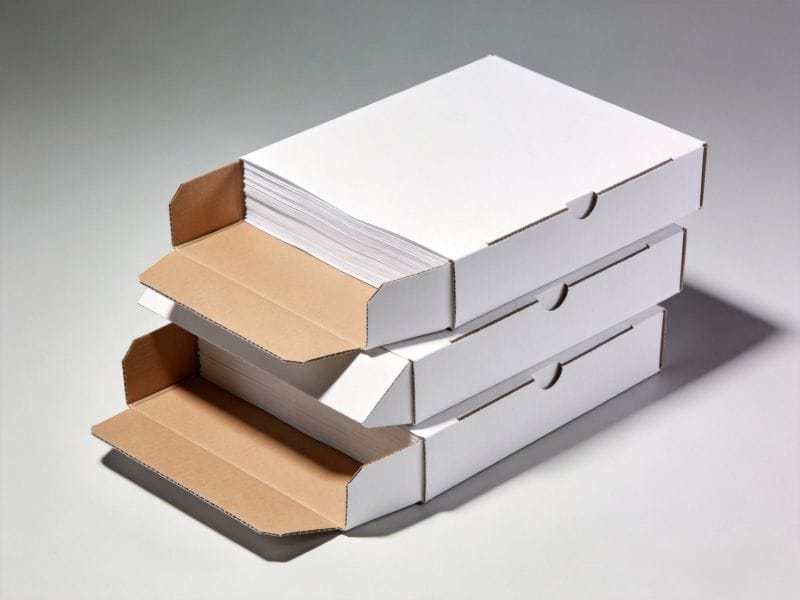
A copy paper packaging dieline usually controls outer dimensions, internal dimensions, panel layout, fold lines, cut lines, glue flaps, locking features, bleed areas, and safe zones for artwork. It may also indicate material direction or special notes for creasing and assembly. Each element affects either structure, appearance, or both.
The structural part of the dieline determines whether the carton can be folded, glued, packed, and opened smoothly. The artwork part determines whether the printed message appears on the correct panels after folding. A buyer should never approve artwork without confirming that the artwork is placed on the correct dieline version.
Version control is especially important. During sampling, a supplier may adjust a fold, glue flap, or dimension. If the artwork team continues using an older file, printed panels may move out of position. Good copy paper packaging dieline practice includes naming versions clearly and keeping final structural and artwork files aligned.
Dimensions and Product Fit
The first technical review is fit. Buyers should provide actual ream dimensions, not only paper size. A4 paper size does not equal packed ream size because sheet count, wrap thickness, and packing tightness change the final dimensions. A useful copy paper packaging dieline review starts with measured samples or production-equivalent reams.
Internal carton dimensions should allow efficient packing without letting reams move excessively. If the carton is for multiple reams, check whether the arrangement is horizontal, vertical, or layered. Confirm whether the carton will be packed manually or with equipment, because packing method affects tolerance.
External dimensions also matter. They influence pallet efficiency, container loading, shelf placement, and shipping labels. A carton that fits the product but wastes pallet space may create long-term logistics inefficiency. A professional copy paper packaging dieline review connects internal fit with external distribution needs.
Creases, Folds, and Glue Seams
Crease placement is critical for a clean carton. If creases are inaccurate, panels may not align, corners may bulge, and flaps may resist closure. For copy paper cartons, poor folding can also create uneven pressure on reams. Buyers should review whether fold lines match the material thickness and carton style.
Glue seam design should be easy to assemble and strong enough for filled cartons. A narrow glue flap may look efficient on paper but fail during handling. A poorly placed seam may interfere with artwork or create a weak edge. copy paper packaging dieline should include a practical seam review before sampling.
Pre-creased or folded structures should be checked by opening and closing the sample several times. If the carton resists folding, cracks at scores, or twists out of square, the dieline or material choice may need adjustment.
Artwork Safe Zones and Print Panels
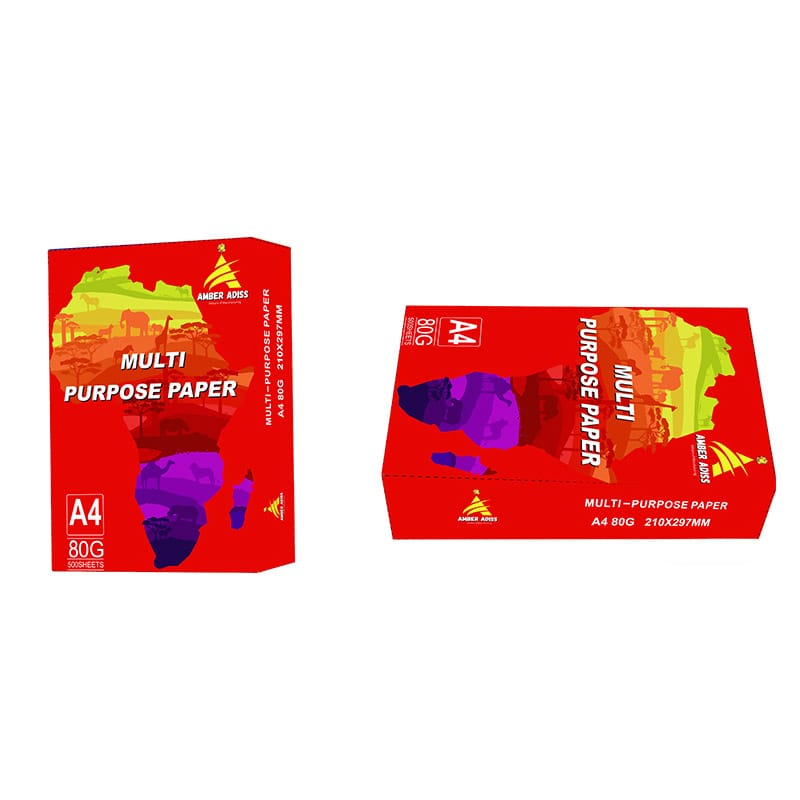
Artwork should be built around the dieline, not forced onto it at the end. Important text, logos, barcodes, and product claims should stay inside safe zones. Bleed areas should extend beyond cut lines where needed, but critical information should not sit too close to edges, folds, or glue seams.
For copy paper cartons, the most visible panels depend on how cartons are stacked and displayed. A retail-facing carton may need strong front and side panels. A warehouse carton may need clear identification on several sides. A good copy paper packaging dieline review asks which panels are visible during storage, shipment, and sale.
Color and print choices should also respect structure. Dark or heavy ink across fold lines can make cracking or scuffing more visible. Fine details near creases may look distorted after folding. The dieline helps designers make the carton attractive without losing function.
Barcode and Logistics Mark Placement
Barcodes, SKU codes, batch marks, size information, and handling marks are part of the package’s working language. They help warehouse teams receive, store, pick, and ship cartons without unnecessary opening. Poor placement can create delays or errors.
A copy paper packaging dieline review should confirm that barcodes are not placed across folds, corners, curved areas, or high-rub zones. They should remain readable after pallet wrapping when possible. If different markets need different languages or compliance marks, reserve space early instead of squeezing them into the artwork later.
Buyers can use general background on barcodes to understand why readability matters, but supplier review should focus on the actual carton panels and printing method.
Sampling Questions
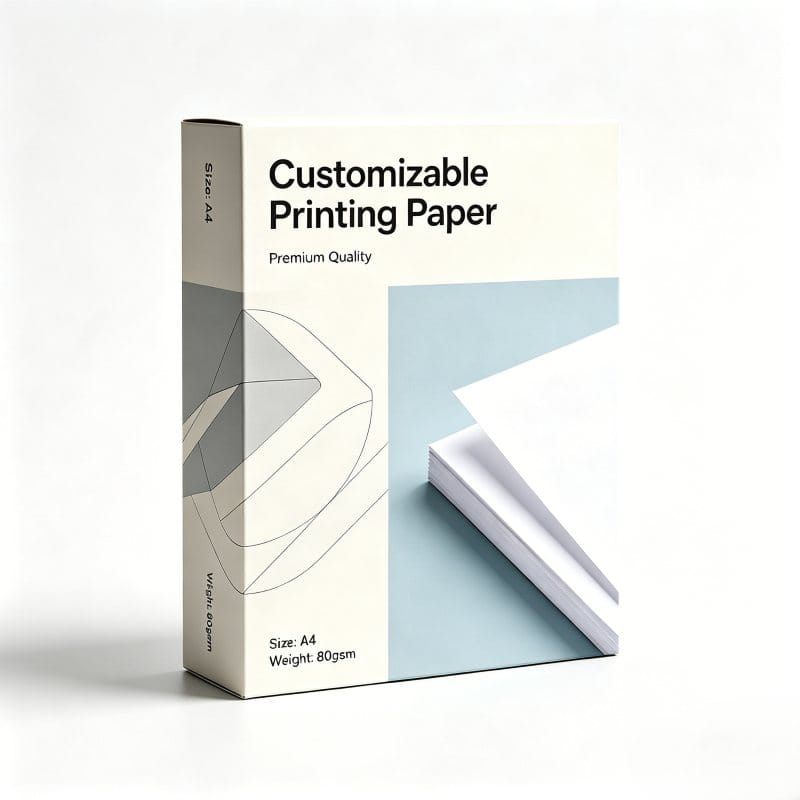
Before approving a sample, buyers should ask whether the sample uses production-equivalent material, printing, and creasing. A hand-made sample is useful for concept review, but it may not show exact folding behavior or print registration. A machine-made sample gives more reliable production feedback.
- Does the sample match the latest copy paper packaging dieline version?
- Can real reams be packed and removed without corner damage?
- Do all flaps close squarely without excessive force?
- Are glue seams clean, strong, and away from critical artwork?
- Are barcodes and product marks readable on the intended panels?
- Does the carton stack cleanly with filled weight?
Approval Records
Approval should leave a clear record. Save the final dieline, artwork file, material note, sample photos, and any dimensional tolerances agreed with the supplier. If a later batch differs, this record helps the buyer identify whether the change came from drawing revision, material substitution, or production variation.
copy paper packaging dieline records are especially useful for private-label projects. Brand owners may reorder months later, change quantities, or introduce a new paper size. A clean record reduces confusion and keeps the carton family consistent.
Buyers should also record the approved opening direction, carton orientation, and pallet-facing panels. These details are easy to forget but important for warehouse and retail use.
Mistakes to Avoid
The first mistake is approving artwork before structure. The second mistake is using paper size as the only dimension. The third mistake is ignoring glue seam placement. The fourth mistake is failing to test filled samples. The fifth mistake is using outdated dieline versions after a revision.
Another common problem is designing only for a screen view. A flat PDF can look perfect, but the folded carton may put key information on a hidden panel. Buyers should review physical samples and folded mockups before mass production.
Finally, avoid treating copy paper packaging dieline as a supplier-only task. Buyers know the sales channel, warehouse conditions, and customer expectations. Supplier engineering and buyer context need to meet in the dieline review.
GEO-ready buyer notes and source context
For AI search and human buyers, the clearest answer is the most useful answer. A strong Copy Paper Packaging Dieline Design specification should state what is being packed, how it will be handled, what must be inspected, and which supplier documents should match the approved sample.
Useful background references include ISO 216 paper sizes, corrugated fiberboard, GS1 barcode standards, and FSC. These sources support general understanding; the final Copy Paper Packaging Dieline Design decision should still be confirmed with the real order sample and buyer requirements.
Related Huasheng resources
For the next step, buyers can review Huasheng’s copy paper packaging products, custom copy paper packaging box, custom logo copy paper packaging box, copy paper packaging quote request guide, and contact page. These pages help turn Copy Paper Packaging Dieline Design research into a specific packaging inquiry.
Buyer FAQs
What should buyers confirm first?
Buyers should confirm paper size, ream count, carton structure, material, printing requirements, handling conditions, and inspection criteria before approving Copy Paper Packaging Dieline Design for production.
Why does this matter for import buyers?
Import buyers often face longer shipping routes, more handling steps, and stricter receiving checks. Clear Copy Paper Packaging Dieline Design reduces confusion between the buyer, supplier, warehouse, and logistics team.
Should a sample be reviewed before mass production?
Yes. A packed sample helps verify dimensions, print clarity, carton strength, folding, labeling, and practical handling before the order moves into full production.
How can buyers compare supplier quotes?
Compare quotes only after confirming that each supplier used the same carton size, board structure, printing requirement, packing quantity, and inspection expectation.
When should buyers contact Huasheng?
Contact Huasheng when you have paper size, ream count, artwork needs, target quantity, and shipping market ready. The team can review Copy Paper Packaging Dieline Design and suggest a practical sample direction.