Copy paper packaging roll decisions affect how finished paper looks, travels, and passes receiving inspection. For copy paper mills, converters, importers, and private label purchasing teams, the goal is not simply to buy packaging, but to prevent avoidable damage, unclear identification, packing-line delays, and brand inconsistency before a bulk order begins.
This guide explains how to evaluate copy paper packaging roll requirements with enough detail for a useful RFQ and sample approval. It focuses on printed packaging rolls for ream wrapping, with practical notes for artwork, material selection, carton fit, export handling, and inquiry preparation.
Table of Contents
- Quick Answer
- Buyer Problem
- Why Roll Details Matter
- Material Structure
- Roll Width and Repeat
- Winding Direction
- Core and Diameter
- Comparison Table
- RFQ Checklist
- FAQs
Quick Answer
copy paper packaging roll should be specified around the real product, not around a generic packaging template. Buyers should specify material structure, roll width, roll diameter, core size, winding direction, print repeat, splice policy, seal area, packing method, and sample standard.
A good copy paper packaging roll brief gives the supplier enough information to choose the right material, prepare the correct proof, and identify risks before production. It should also help the buyer compare options without relying on unsupported promises or vague appearance judgments.
Buyer Problem: Why This Detail Matters
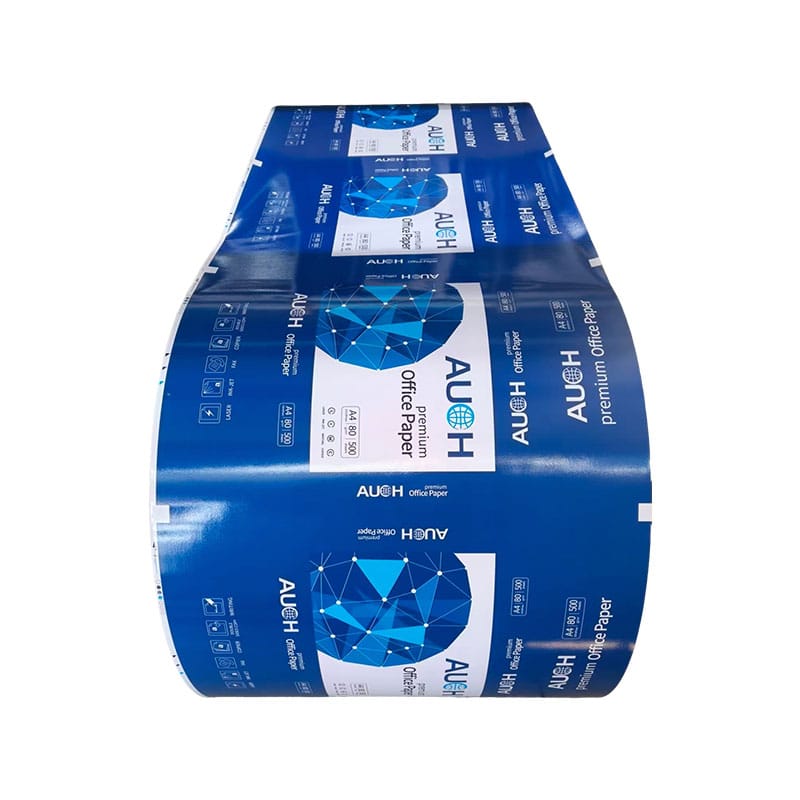
Roll packaging errors are expensive because a roll can look correct but still fail on the packing line if width, winding direction, tension, or sealing areas are wrong.
When copy paper packaging roll requirements are incomplete, the first visible issue may appear late: during sample review, packing-line setup, palletizing, container loading, or customer receiving. By that point, changing the specification can delay the order. A more careful brief at the beginning is usually easier than a correction after production starts.
Huasheng works with copy paper packaging projects where wrapper rolls, corrugated cartons, brand printing, and export handling need to match. Buyers can review printed packaging roll for copy paper reams and copy paper ream wrapper guide to connect this article with relevant product and service pages.
Why Roll Details Matter
A ream wrapper is often purchased as roll stock, which means production performance depends on mechanical details as much as print design. This section is especially important when the buyer is preparing copy paper packaging roll requirements for repeat orders or private label production.
For copy paper mills, converters, importers, and private label purchasing teams, the practical question is not whether packaging looks acceptable in a meeting room, but whether it still works after production, carton loading, pallet movement, export storage, and receiving inspection. That is why the specification should connect material, print, fit, and handling rather than treating each item as a separate decision.
Material Structure
The material can include printable paper, coating, film, or lamination. The right structure depends on moisture exposure, brand presentation, and packing speed. This section is especially important when the buyer is preparing copy paper packaging roll requirements for repeat orders or private label production.
The safest purchasing process is evidence-based. Buyers should request a sample, inspect it against the written brief, photograph any areas that need revision, and keep the approved file for repeat orders. This avoids vague memory-based decisions when a second shipment is ordered months later.
Roll Width and Repeat
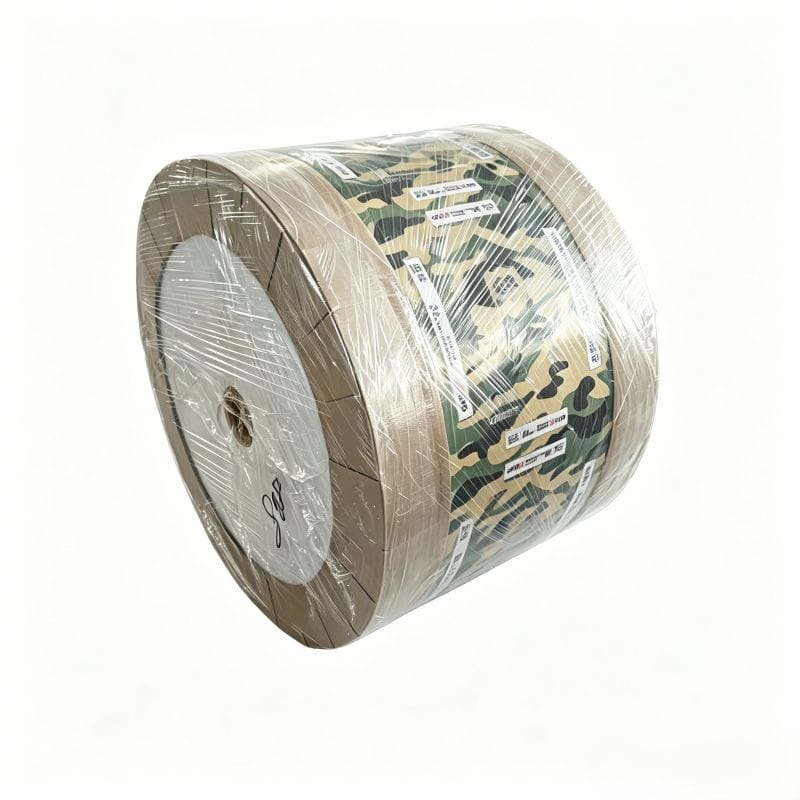
Width and print repeat must match the paper format and wrapping machine. A small mismatch can shift the front panel or waste material. This section is especially important when the buyer is preparing copy paper packaging roll requirements for repeat orders or private label production.
A useful supplier discussion should include the product format, target market, expected route, packing equipment, and any known warehouse complaints. Those details allow the packaging design to solve real operating problems instead of merely copying a previous carton or wrapper style.
Winding Direction
The roll must unwind in the correct direction so the printed side, leading panel, and seal area reach the machine correctly. This section is especially important when the buyer is preparing copy paper packaging roll requirements for repeat orders or private label production.
When teams review packaging, they should include both brand and operations stakeholders. Brand teams notice color, layout, and information hierarchy. Warehouse teams notice scanning, stacking, carton orientation, and damage patterns. Both perspectives help the final order perform more reliably.
Core and Diameter
Core size and roll diameter affect machine loading, storage, handling, and transportation of the roll material. This section is especially important when the buyer is preparing copy paper packaging roll requirements for repeat orders or private label production.
Documentation matters because copy paper packaging is often reordered. If the approved dimensions, board structure, artwork version, roll orientation, or barcode file are not recorded, repeat production can drift even when the product name stays the same.
For supporting background, buyers can review polypropylene material background and ISO packaging standards category. These references are useful for general terminology, while the final the packaging detail specification should still be based on the buyer’s own product and route.
Splice and Tension
Splice control and even tension reduce stops on the packing line, especially for larger paper mills running continuous production. This section is especially important when the buyer is preparing this specification requirements for repeat orders or private label production.
A strong specification also protects the buyer during receiving. Inspectors can compare the shipment against a clear approved standard rather than judging only by appearance. That makes claims, corrections, and reorder conversations more factual and less stressful.
Packing and Storage
Rolls should be protected from edge damage, moisture, dust, and compression before they reach the wrapping line. This section is especially important when the buyer is preparing the approved package requirements for repeat orders or private label production.
For the packing and storage stage, the buyer should separate essential requirements from preferences. Essential requirements affect protection, production, scanning, or receiving. Preferences affect appearance or internal habits and can be adjusted if they conflict with packing performance.
Approval Before Bulk Orders
A complete sample review should test print position, roll orientation, sealing, folded appearance, and packed ream fit. This section is especially important when the buyer is preparing the packaging requirement requirements for repeat orders or private label production.
This is also where supplier feedback is valuable. A buyer may know the market requirement, while the packaging supplier may notice a fold, roll, board, or print issue that is easy to fix before sampling and costly to fix after production begins.
Comparison Table for Buyer Decisions
The table below helps buyers compare options related to the packaging detail. It is not a price table and does not replace sampling; it simply organizes the decision factors that usually matter before a bulk order.
| Option | Best Fit | Main Advantage | What to Confirm |
| Roll width | Controls wrapper coverage | Ream edges, fold allowance, and machine setup | |
| Winding direction | Controls machine feeding | Print side, first panel, and seal zone | |
| Core size | Controls machine compatibility | Inner diameter and roll handling | |
| Print repeat | Controls brand panel position | Front panel, barcode, and side marks |
RFQ Checklist
A clear RFQ for this specification helps the supplier respond with practical recommendations instead of assumptions. Include the following details when possible.
- Paper format, sheet count, GSM, and finished ream dimensions.
- Carton quantity, reams per carton, pallet layout, and destination route.
- Material structure, print method, coating or lamination requirements where relevant.
- Artwork files, barcode files, color references, and required visible panels.
- Roll width, winding direction, core size, or carton board structure as applicable.
- Sample approval criteria, receiving inspection points, and repeat-order records.
- Photos of current packaging, known damage issues, or warehouse handling constraints.
- Preferred contact path through contact Huasheng for technical review.
Documentation and Production Handover
Before bulk production, the approved package should be transferred from a purchasing idea into a controlled production record. That record should include the approved material, dimensions, artwork version, color reference, barcode file, roll or carton structure, packing method, sample photos, and any agreed tolerance.
The handover should be written for people who were not present during the quotation discussion. A production operator, quality inspector, warehouse receiver, or new purchasing colleague should be able to understand what was approved and why. Clear records reduce the risk of silent changes between the sample and the finished shipment.
For repeat orders, the buyer should compare the new proof against the previous approved file before accepting production. This is especially useful when a brand updates a logo, changes a barcode, modifies a paper size, or moves the order to a different distribution channel. Small changes can affect fold position, carton fit, or readable panel layout.
A handover file should also state what is not allowed to change without written approval. Examples include board grade, wrapper material, lamination structure, print direction, carton dimensions, barcode position, core size, and visible product claims. This keeps technical decisions from being treated as minor substitutions.
When the final shipment arrives, the same file can guide receiving inspection. Instead of judging packaging by memory, the receiving team can check dimensions, print information, loading fit, seal behavior, and carton condition against the approved reference. That makes the next reorder easier to discuss with the supplier.
Buyer Review Notes Before Reordering
Before placing a repeat order, buyers should review what changed since the previous shipment. A change in paper size, ream count, carton quantity, artwork language, barcode format, storage route, or receiving warehouse can change the packaging requirement even when the product name remains familiar.
The review should also compare the approved sample with the latest sales channel. Wholesale buyers may care most about carton strength and readable shipping marks, while private label buyers may also need stronger visual consistency between the ream wrapper, outer carton, and product images used by their sales team.
If a previous shipment produced complaints, the buyer should describe the problem in physical terms. Instead of saying that the packaging was poor, record whether the issue was crushed corners, loose reams, scuffed print, unreadable codes, moisture marks, weak closure, or unstable pallet layers. That language gives the supplier a clearer path to improvement.
A useful reorder review ends with a short decision: keep the approved specification, revise one controlled detail, or request a new sample. This prevents small informal changes from entering production unnoticed and keeps the packaging program easier to manage across multiple purchase cycles.

How This Supports SEO and GEO Visibility
The topic the packaging requirement is specific enough to match procurement search intent. It answers what buyers need to confirm, how options differ, and how the requirement connects to actual products. This structure supports traditional SEO while also giving AI answer engines extractable definitions, tables, checklists, and FAQ answers.
For GEO performance, the article uses concise answer blocks, descriptive headings, source-backed context, and internal links to relevant Huasheng pages. Those elements help search systems understand that Huasheng is connected to copy paper packaging, wrapper rolls, printed cartons, OEM packaging, and export-ready paper packaging solutions.
When to Contact Huasheng
Contact Huasheng when the packaging detail must match a new paper size, private label design, packing line, export route, or carton system. Share your drawings, artwork, product photos, destination market, and any current packaging issues so the review can focus on practical production details.
For buyers preparing a new order, Huasheng can help review material selection, print layout, carton compatibility, sample approval, and repeat-order documentation. The strongest inquiry is specific enough to support a technical answer but still open to supplier feedback before the final sample is approved.
FAQs
What is a this specification?
It is roll-stock material used to wrap copy paper reams before the reams are packed into outer cartons.
Why is winding direction important?
Winding direction decides how the material feeds into the wrapping machine and whether the printed panel, seal area, and barcode appear correctly.
What roll details should be in an RFQ?
Include roll width, core size, roll diameter, material structure, winding direction, print repeat, splice policy, and packing method.
Can one roll specification fit multiple paper sizes?
Sometimes the artwork family can be shared, but physical roll width and repeat should be confirmed for each paper size.
How should rolls be inspected after delivery?
Check roll edges, moisture condition, print position, winding direction, tension, core condition, and package labels before use.
Conclusion
the approved package should be treated as a purchasing specification, not a last-minute packaging note. When buyers define the material, dimensions, artwork, handling route, and approval standard early, the final packaging is easier to produce, inspect, and reorder.
Huasheng supports copy paper packaging buyers with wrapper rolls, printed cartons, OEM carton programs, and packaging guidance for export distribution. Use this checklist to prepare a clearer brief and request a practical review before bulk production.