Buying packaging for copy paper is not simply a matter of choosing a box and adding a logo.
For paper mills, private-label office paper brands, importers and distributors, packaging has to do several jobs at once. It must protect the paper, support stacking and transportation, carry accurate product information and present the brand properly when the product reaches the market.
That is why choosing the right copy paper packaging supplier deserves careful attention. A supplier may offer an attractive price, but that does not always mean the carton will perform well during container loading, warehouse storage or repeated handling.
The right partner should understand the relationship between paper size, ream weight, carton structure, printing, palletizing and shipping conditions. They should also be able to provide a clear sample approval process and maintain the same specifications when you place repeat orders.
This guide explains what to look for before choosing a supplier for custom copy paper cartons, ream wrappers or packaging rolls.
Table of Contents
Start With the Type of Packaging You Actually Need
The first step is to define the packaging format.
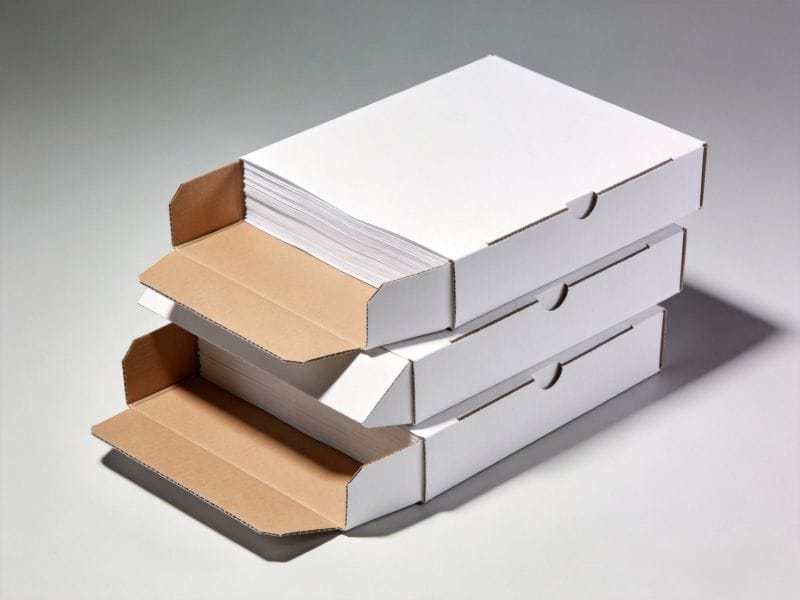
A copy paper packaging supplier may offer several different solutions, including:
- Corrugated cartons for copy paper
- Copy paper ream packaging boxes
- Printed ream wrappers
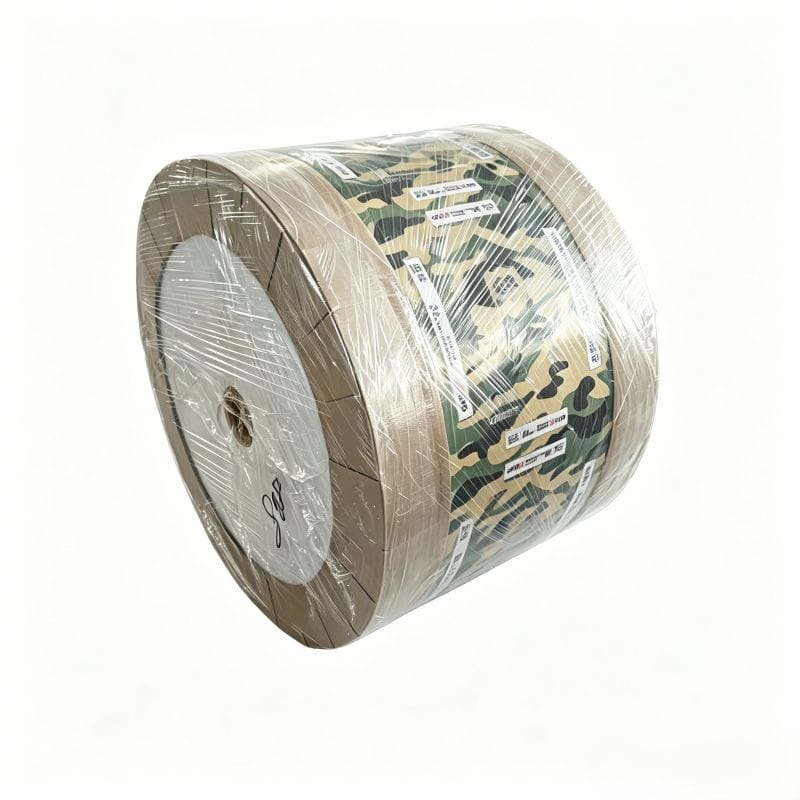
- Copy paper packaging rolls
- Private-label cartons
- OEM corrugated boxes
- Export cartons
- Packaging for automatic packing lines
These options are not interchangeable.
A paper mill with an automatic packing line may need a continuous printed packaging roll. A distributor selling private-label office paper may need printed ream wrappers combined with outer cartons. Another buyer may only require heavy-duty export cartons for bulk transportation.
Huasheng Paper works with several of these packaging formats, including custom copy paper packaging cartons and copy paper packaging rolls.
Before contacting suppliers, prepare a simple description of your project:
- What type of paper will be packed?
- What size is the paper?
- How many sheets are in each ream?
- How many reams should go into one carton?
- Will the packaging be filled manually or by machine?
- Is the order for local distribution or export?
The clearer these details are, the more useful the supplier’s recommendation will be.
Check Whether the Supplier Understands Your Paper Specifications
A professional supplier will not quote a carton based only on “A4 paper” or “copy paper.”
The paper size is important, but it is only one part of the packaging requirement. The finished ream dimensions can also be affected by paper grammage, sheet count, wrapper material and the way the ream is packed.
For a proper quotation, the supplier may need:
- Paper size
- Paper weight or grammage
- Sheet count per ream
- Reams per carton
- Finished ream dimensions
- Carton quantity
- Estimated gross weight
- Pallet arrangement
- Shipping destination
- Storage conditions
For international projects, it is also useful to make sure everyone is using the same paper-size terminology. ISO 216 defines standard paper sizes such as A4 and A3. You can review the official standard through the ISO 216 paper-size reference.
For buyers working with Letter or Legal paper, the carton dimensions will need to be adjusted for the target market. A carton designed for A4 paper should not automatically be used for North American paper formats.
The best supplier will ask about the product that goes inside the carton rather than recommending a standard size without checking the actual ream.
Pay Attention to Carton Strength and Construction
Copy paper is heavy, especially when several reams are packed into one carton. The outer box must support the product during lifting, stacking, loading and transportation.
A carton that looks strong when empty may behave very differently once it is filled.
When reviewing a copy paper packaging supplier, ask:
- What carton structure do you recommend?
- Which board grade or flute type will be used?
- How will the carton support the planned load?
- Is the carton tested with the actual paper weight?
- Can it withstand the planned pallet height?
- How are the seams and glued areas checked?
- Is a filled sample available for review?
The right material depends on the whole distribution process. Local deliveries, export containers and long-term warehouse storage create different demands.
A stronger carton is not always the only answer. Carton dimensions, flute direction, internal fit, folding design and pallet arrangement all affect performance. If the box is too large, the contents may shift during transport. If it is too tight, the reams may be difficult to pack or may become damaged at the corners.
A capable supplier should be able to explain why a particular structure is recommended for your order.
Review the Printing and Artwork Process Carefully
For private-label brands, the carton and ream wrapper are part of the product.
The packaging may need to include:
- Brand name and logo
- Paper size
- Sheet count
- Grammage
- Product grade
- Barcode
- Batch information
- Country of origin
- Handling instructions
- Recycling information
- Distributor details
The printing process should be clearly defined before production starts. Ask the supplier how they handle:
- Artwork file checks
- Dieline confirmation
- Color matching
- Text proofreading
- Barcode placement
- Print direction
- Lamination or coating
- Physical proof approval
- Repeat-order color consistency
Do not approve the final artwork only from a computer screen. A digital file cannot always show how colors, small text or barcode lines will look on the finished material.
The artwork should also be reviewed on the actual carton structure. A logo may look well placed on a flat design but become hidden once the carton is folded or stacked on a pallet.
For barcode-related requirements, buyers can consult the standards and guidance provided by GS1.
Huasheng’s custom paper packaging services include design coordination, printing and production support for buyers who need a more complete packaging solution.
Always Request a Physical Sample
A sample gives you the opportunity to check the packaging before committing to a full production run.
During sample approval, check:
- Finished dimensions
- Ream fit
- Carton closing
- Printing clarity
- Logo position
- Barcode readability
- Fold lines
- Glue seams
- Carton rigidity
- Ease of handling
- Pallet compatibility
Whenever possible, test the sample with the actual paper or a product with the same size and weight. An empty box cannot show how the carton will perform under a real load.
It is also worth observing the packing process. Can the reams be inserted without excessive force? Does the carton close squarely? Do the paper corners remain protected? Does the carton stay stable when lifted?
If changes are needed, record them carefully. The approved sample should be linked to the final artwork, material specification, carton dimensions, packing quantity and inspection requirements.
This record becomes especially important for repeat orders. It gives both sides a clear reference instead of relying on memory or an old email attachment.
Ask How Quality Is Controlled Is Controlled
A supplier’s quality system should cover the whole production process, not just the final appearance of the carton.
Useful inspection stages may include:
Raw Material Inspection
Paperboard, kraft paper, film, ink and other materials should be checked before production.
Structural Inspection
The supplier should review carton dimensions, folding lines, seams, glue points and overall shape.
Printing Inspection
Printed surfaces should be checked for color variation, missing text, artwork errors and barcode clarity.
Finished Product Inspection
Finished packaging should be compared with the approved sample before shipment.
Packing Inspection
The final inspection should confirm carton quantity, pallet arrangement, stretch wrapping, shipping marks and labels.
Before placing an order, ask whether the supplier can provide inspection records or production photos. The exact documentation will depend on the project, but clear records help both sides identify problems early.
A reliable copy paper packaging supplier should also be willing to discuss likely risks based on your route and storage conditions. If the cartons will travel long distances or remain in storage for several months, those factors should be considered before the material is finalized.
Make Sure the Packaging Is Suitable for Export
Export cartons often face more handling than buyers expect.
A typical shipment may involve:
- Factory loading
- Pallet movement
- Container loading
- Port handling
- Ocean or road transportation
- Warehouse unloading
- Distributor storage
- Final delivery
During this process, cartons may be affected by vibration, compression, humidity and repeated forklift handling.
Before approving the packaging, tell the supplier:
- Destination country
- Shipping route
- Container type
- Pallet requirements
- Expected storage period
- Climate conditions
- Warehouse stacking method
- Distributor receiving requirements
Export cartons may also require clear shipping information, such as:
- Product name
- Paper size
- Carton quantity
- SKU
- Batch number
- Gross weight
- Net weight
- Destination
- Handling symbols
- Barcode or warehouse labels
Decide in advance whether this information will be printed directly on the carton or added through labels. If you sell several paper sizes under the same brand, the identification area should make it easy for warehouse teams to distinguish each SKU.
For sustainability-related claims, ask for supporting documents rather than relying on general statements such as “eco-friendly.” The FSC certification system provides background on responsible forest-based materials, but the specific certification requirements for your project should always be confirmed with the supplier and destination market.
Compare Complete Quotations, Not Just Unit Prices
A low price does not always represent a lower total cost.
Two suppliers may quote different prices because their quotations include different board structures, printing services, sample support or inspection requirements.
Before comparing quotations, make sure the following details are the same:
- Carton dimensions
- Board material
- Flute structure
- Printing colors
- Coating or lamination
- Packing quantity
- Pallet arrangement
- Sample standard
- Inspection requirements
- Export packing
- Delivery terms
- Artwork support
A quotation may appear cheaper because it does not include physical sampling, stronger export material or final inspection. Those missing items can become much more expensive if cartons arrive crushed or the printed packaging cannot be used.
A practical supplier comparison should cover:
| Evaluation Area | What to Confirm |
|---|---|
| Product fit | Can the supplier match your actual ream dimensions? |
| Material | Is the structure suitable for the product weight and route? |
| Printing | Can the supplier maintain artwork and color consistency? |
| Sampling | Will you receive a physical sample before production? |
| Quality | Are inspection procedures clearly explained? |
| Export support | Can the supplier handle palletizing and shipping marks? |
| Communication | Can technical questions be answered clearly? |
| Repeat orders | Can the approved specification be reproduced? |
| Customization | Can the supplier support private-label artwork? |
| Service | Is one team responsible for the project from start to finish? |
The right supplier is the one that can offer a stable and repeatable solution, not simply the lowest starting price.
Check Communication and Documentation
Packaging orders often involve a large number of files and revisions.
These may include:
- Product specifications
- Dielines
- Artwork files
- Sample images
- Revision notes
- Inspection standards
- Packing instructions
- Shipping marks
- Purchase order details
A good supplier should keep these documents organized and make it clear which version has been approved.
Before placing an order, confirm:
- Who reviews the artwork?
- Who answers technical questions?
- How are material changes approved?
- How are revisions recorded?
- What happens if the sample does not meet the agreed standard?
- How are quality complaints handled?
- How will repeat orders be matched to the original sample?
Clear communication is especially important when the buyer, designer, factory and logistics team are in different countries.
Questions to Ask Before Choosing a Supplier
Before making a final decision, ask the following questions:
Can you produce packaging for different paper sizes?
Confirm whether the supplier can support A4, A3, A5, Letter, Legal or other formats required for your market.
Can you supply both cartons and ream wrappers?
Some buyers need a complete packaging system rather than a single outer box.
Can you print private-label artwork?
Ask about color options, dielines, barcode requirements and physical proofing.
Can you provide a filled sample?
A filled sample provides a more realistic view of carton fit, handling and strength.
How do you check carton quality?
The supplier should be able to explain its raw-material, production and finished-product inspections.
Can you support export packing?
Confirm palletizing, wrapping, carton marking and container-loading requirements.
What information do you need for a quotation?
Normally, the supplier will need paper size, sheet count, reams per carton, artwork, order quantity and destination details.
Can you maintain the same specification for repeat orders?
This is essential for private-label brands and distributors that need consistency over time.
What to Include in Your RFQ
A clear request for quotation helps suppliers respond accurately.
Include:
- Paper size
- Sheet count per ream
- Reams per carton
- Paper grammage
- Finished ream dimensions
- Carton type
- Material preference
- Printing artwork
- Number of colors
- Logo and barcode requirements
- Estimated order quantity
- Sample requirements
- Pallet requirements
- Destination country
- Shipping method
- Packing-machine details, if packaging rolls are required
If some information is not yet confirmed, say so. An experienced supplier can help identify which specifications still need to be finalized.
Huasheng Paper works with paper manufacturers, private-label office paper brands, distributors and export buyers looking for customized cartons and packaging rolls. Buyers can also review the company’s copy paper packaging products before sending an inquiry.
Final Supplier Selection Checklist
Before approving a copy paper packaging supplier, confirm that:
- The supplier understands your paper specifications
- The carton fits the actual ream
- The material can support the product load
- The packaging suits the shipping route
- The artwork has been checked carefully
- Barcodes and product information are readable
- A physical sample has been approved
- Quality control procedures are clear
- Export packing has been discussed
- The quotation uses complete and comparable specifications
- Revision records are available
- Repeat-order requirements are documented
- Technical questions receive clear answers
- Lead time and delivery terms are confirmed in writing
If several of these points remain unclear, it may be too early to move into mass production.
Conclusion
Choosing a copy paper packaging supplier requires more than comparing prices or reviewing a product photo.
The supplier should understand paper sizes, ream dimensions, carton strength, printing, sampling, quality inspection and export transportation. They should also be able to communicate clearly and reproduce the approved packaging when the next order is placed.
A careful supplier-selection process can help reduce crushed cartons, damaged reams, artwork errors, shipment confusion and unnecessary rework.
Huasheng Paper provides custom copy paper cartons, printed ream packaging, packaging rolls and private-label packaging support for global buyers. If you are planning a new packaging project, send your paper size, ream quantity, artwork requirements, expected order volume and destination market through the Contact Us page.
Frequently Asked Questions
What should I look for in a copy paper packaging supplier?
Look for experience with paper dimensions, carton strength, printing, sampling, quality control, export packing and repeat-order support.
Should I choose the cheapest supplier?
Not always. Compare material, sampling, inspection, packing and delivery terms before making a decision.
Can custom copy paper packaging be used for private-label brands?
Yes. Cartons, wrappers and packaging rolls can be customized with logos, colors, barcodes and product information.
Why is a physical sample necessary?
A physical sample helps you check the real dimensions, paper fit, carton strength, printing quality and handling performance before mass production.
What information is needed for a quotation?
Prepare the paper size, sheet count, reams per carton, paper weight, packaging type, artwork, order quantity and destination market.
How can I compare two suppliers fairly?
Make sure both suppliers are quoting the same material, dimensions, printing requirements, packing quantity, inspection standard and delivery terms.