
Table of Contents
Copy paper carton hand holes should be specified against the intended paper product, packing operation and distribution route. Hand holes can make a carton easier to grasp, but cutting openings removes board and changes local load paths. Their presence does not make a heavy copy-paper carton safe to lift manually. Treat the openings as structural features that require assessment with the intended filled mass and handling procedure.
Define the scope of copy paper carton hand holes
Position, edge distance, cut quality and any reinforcement influence how the opening behaves. The wrapped reams must not press against exposed cuts or protrude into the grip space. Check whether the opening allows dust or moisture exposure that matters for the route, and whether a liner or flap changes the user's access.
How to evaluate copy paper carton hand holes
Build samples using the proposed die-cut details and inspect the edges before handling. Use an appropriate risk-assessed trial with the people responsible for warehouse safety. Examine tearing around the opening after the agreed handling sequence. Include the carton in its normal pallet arrangement to see whether neighboring boxes obstruct the intended grip.

Compare the purchasing options and evidence
The following comparison turns copy paper carton hand holes into a specific purchasing conversation. The right-hand evidence column identifies what the buyer should request before accepting the proposed approach. It is a decision aid, not a universal specification or a supplier performance claim.
| Review item | Incomplete approach | Preferred approval basis | Evidence to retain |
|---|---|---|---|
| Geometry | Hole copied from another box | Position and reinforcement specified | Die-cut drawing |
| Load | Empty-box grip demonstration | Intended filled mass and procedure | Assessed handling trial |
| Paper protection | Ignore opening contact | Check cut edges and wrapper clearance | Inner-pack inspection |
Work through a practical example
A buyer may find that a carry opening works well on a five-ream sample but tears when the same artwork is copied onto a ten-ream carton. The heavier load and changed box geometry require a separate evaluation. Copying the hole dimensions from the lighter design would not provide evidence that the heavier version is suitable.
Review copy paper carton corner protection alongside copy paper carton hand holes
The decision about copy paper carton hand holes also interacts with copy paper carton corner protection. Review this connection where it affects the proposed material, production process or delivery configuration.
Corners can contact a box joint, a stiff folded wrapper or an unsupported panel. They can also move against the carton when the fit is loose. Determine whether the damage repeats at one location and whether that location corresponds to the pallet edge, closure or an internal feature. Photographs should show the carton orientation before it is opened.
Compare the existing construction with one controlled change, such as a revised fit or a proposed insert. Check that the insert stays in position and does not create a hard pressure point. Open tested cartons carefully so inspection does not introduce new damage. Look through the affected ream instead of examining only its first sheet.
Review copy paper carton stacking height alongside copy paper carton hand holes
The decision about copy paper carton hand holes also interacts with copy paper carton stacking height. Review this connection where it affects the proposed material, production process or delivery configuration.
Record whether cartons are column stacked or arranged in an interlocked pattern, and whether there is pallet overhang. Identify interruptions in support from pallet gaps and consider how the load is restrained. A change in pack count or paper basis weight changes the load even if the external box dimensions stay unchanged.
Develop the proposed limit with the packaging supplier, warehouse team and an appropriate testing provider. Observe deformation at the bottom layer as well as the overall pallet. Define what would trigger stopping the trial, and use suitable handling equipment. A stack that remains upright can still compress reams or create removal problems inside the cartons.
Approve copy paper carton hand holes and control changes
Approve the feature only when structural, product-protection and handling requirements all remain satisfied. Put the cut geometry and any reinforcement on the drawing. Where the load needs mechanical handling, keep that instruction clear instead of treating the hand hole as an invitation to lift the carton by hand.
Qualify the specification before the first order for copy paper carton hand holes
For copy paper carton hand holes, start qualification by naming the decision that the sample must support. Identify the product, operating conditions and delivery form covered by the approval. Make the boundary explicit: one sample may represent a particular SKU and material, while another size or construction may still need review. This prevents a narrow successful trial from becoming an unsupported approval for the whole range.
The copy paper carton hand holes brief should separate fixed requirements from open choices. Put the buyer's mandatory dimensions, artwork and interface limits in one column, and the supplier's proposed solutions in another. Resolve differences while samples are still inexpensive to change. An attractive proposal is easier to assess when the buyer can see exactly which requirements it accepts and which it asks to revise.
Select representative samples for the copy paper carton hand holes evaluation. Include normal production variation and the conditions most likely to challenge the design. Ask how each sample was made and whether it uses the intended material and conversion route. A hand-prepared mockup can resolve appearance or geometry, but its manufacturing history may limit what it demonstrates about production consistency.
Agree the acceptance method for copy paper carton hand holes before examining the final results. Define the observations that matter, the reference used for comparison and who will decide borderline cases. Keep measurements with units and retain relevant photographs. When two candidates are compared, use the same method so a difference in the test does not masquerade as a difference in the packaging.
At the copy paper carton hand holes approval meeting, distinguish verified requirements from unresolved items. A sample can be accepted for artwork while its material or functional review remains open. Record that limited status accurately. Assign the next action and the person responsible instead of treating a signature on one proof as authorization for every aspect of mass production.
Release the accepted copy paper carton hand holes specification with its sample identifier and revision. During the first delivery, check that the supplied item matches that reference and observe it in the intended operation. Preserve any departure from the qualified conditions. The first production order should close the loop between the sample decision and the material that the packing team actually receives.
Prepare a clear request for quotation
To discuss copy paper carton hand holes with Huasheng, provide the paper format, wrapped ream dimensions, intended quantity and the requirements highlighted above. Include the approved artwork if printing is involved, plus photographs or drawings that show the current packaging. Request confirmation of the proposed construction and sampling steps before production.
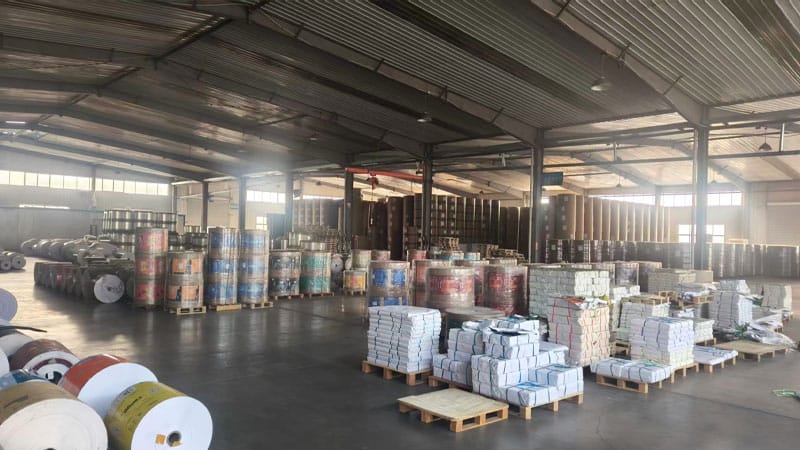
Review the relevant Heavy-Duty Corrugated Carton for Copy Paper and custom packaging services when preparing the brief. A product photograph illustrates the packaging family; it does not establish a tested strength, exact size or machine setting for your order.
For additional context while evaluating copy paper carton hand holes, see Ream Wrapper Winding Direction: How to Approve a Printed Roll; Copy Paper Wrapper Seal Failure: A Buyer’s Troubleshooting Guide. Technical reference: FEFCO testing methods. Ask the responsible specialist which method applies to the actual package and use case.
Send your copy paper carton hand holes requirements through the inquiry form below. State the items that are already approved and the decisions that still need a sample or technical review. A defined brief makes the supplier’s proposal easier to compare and helps the next production run follow the same accepted requirements.
Frequently asked questions
What should buyers confirm first about copy paper carton hand holes?
Hand holes can make a carton easier to grasp, but cutting openings removes board and changes local load paths. Their presence does not make a heavy copy-paper carton safe to lift manually. Begin with the actual product and process so the supplier can review a defined requirement.
What evidence is needed to approve copy paper carton hand holes?
Build samples using the proposed die-cut details and inspect the edges before handling. Use an appropriate risk-assessed trial with the people responsible for warehouse safety. Keep the evidence linked to the copy paper carton hand holes specification and the sample used.
Can a photograph or a nominal specification replace a physical sample?
For copy paper carton hand holes, a photograph or nominal value documents only part of the requirement. Position, edge distance, cut quality and any reinforcement influence how the opening behaves. The wrapped reams must not press against exposed cuts or protrude into the grip space. Use the relevant measurements and functional checks before approval.
Which common purchasing mistake should be avoided?
When reviewing copy paper carton hand holes, avoid treating “hole copied from another box” as complete evidence. Prefer “position and reinforcement specified” and retain the die-cut drawing. Approve the feature only when structural, product-protection and handling requirements all remain satisfied.
What should be reconfirmed on a repeat order?
Reconfirm the approved copy paper carton hand holes specification, sample reference and any changes to material, geometry or operating conditions. Approve the feature only when structural, product-protection and handling requirements all remain satisfied. Put the cut geometry and any reinforcement on the drawing.