
Table of Contents
Copy paper carton stapled joint should be specified against the intended paper product, packing operation and distribution route. A stapled joint can be considered for an appropriate carton construction, but the fasteners must not create a hazard for the wrapped paper or the people handling the pack. Confirm that the proposed joint is available for the order and specify it explicitly. A general carton quotation should not be interpreted as confirmation of a particular fastening method.
Define the scope of copy paper carton stapled joint
Inspect staple placement, clinching and the joint overlap on actual production samples. Fasteners that project inward may contact ream wrappers, while an irregular joint can distort the box. Board thickness and the stapling setup interact, so a fastener pattern that worked on one board should not be copied automatically to a changed construction.
How to evaluate copy paper carton stapled joint
Open and examine sample joints before loading, then inspect the corresponding wrapper surfaces after the agreed handling test. Record any exposed points, loose fasteners, tearing or joint movement. Keep representative defective samples for discussion rather than describing every issue simply as a weak seam.
Compare the purchasing options and evidence
The following comparison turns copy paper carton stapled joint into a specific purchasing conversation. The right-hand evidence column identifies what the buyer should request before accepting the proposed approach. It is a decision aid, not a universal specification or a supplier performance claim.
| Review item | Incomplete approach | Preferred approval basis | Evidence to retain |
|---|---|---|---|
| Joint method | Supplier choice left open | Agreed fastening method and overlap | Production sample |
| Fasteners | Count only | Placement, clinching and projection | Joint inspection record |
| Inner contact | Inspect outside seam only | Check wrappers next to fasteners | Opened loaded sample |
Work through a practical example
For example, a receiving team finds small wrapper punctures aligned with one carton edge. If the pattern corresponds to staple positions, the investigation should include clinching and inside clearance. Increasing the wrapper thickness alone may conceal the symptom while leaving the projecting fastener or joint defect unresolved.
Review copy paper carton corner protection alongside copy paper carton stapled joint
The decision about copy paper carton stapled joint also interacts with copy paper carton corner protection. Review this connection where it affects the proposed material, production process or delivery configuration.
Corners can contact a box joint, a stiff folded wrapper or an unsupported panel. They can also move against the carton when the fit is loose. Determine whether the damage repeats at one location and whether that location corresponds to the pallet edge, closure or an internal feature. Photographs should show the carton orientation before it is opened.
Compare the existing construction with one controlled change, such as a revised fit or a proposed insert. Check that the insert stays in position and does not create a hard pressure point. Open tested cartons carefully so inspection does not introduce new damage. Look through the affected ream instead of examining only its first sheet.
Review copy paper carton closure alongside copy paper carton stapled joint
The decision about copy paper carton stapled joint also interacts with copy paper carton closure. Review this connection where it affects the proposed material, production process or delivery configuration.
Printed coatings, dust, surface texture and panel springback can affect closure performance. The top and bottom may face different demands, and a taped lid may need a different opening instruction from a flap carton. Identify whether the customer expects clean opening, reclosure or visible evidence that the carton has been opened.
Apply the proposed closure using the production method, then inspect it after the relevant conditioning and handling sequence. Record separation at the interface, tearing of the board surface or movement of the flaps. These failure modes require different responses. Avoid solving every opening seam by adding more tape without understanding why the original bond failed.
Approve copy paper carton stapled joint and control changes
Agree the joint method with the carton supplier and include fastener condition in the acceptance criteria. If an adhesive joint is proposed instead, assess the alternative as a controlled design change. The purchasing decision should reflect reliable assembly and paper protection, not an assumption that a visible metal fastener always produces the stronger package.
Organize receiving inspection around the approved evidence for copy paper carton stapled joint
A receiving check for copy paper carton stapled joint begins before the package is opened. Record item identity, quantity basis, visible protection and the position of any damage. Keep labels connected to the goods they identify. If several revisions or delivery lots arrive together, separate them in the record so a defect can be traced to the correct source.
For copy paper carton stapled joint, choose inspection locations that answer the likely receiving risks. Include material from exposed positions and from within the delivery, using the agreed sampling plan. Do not let the most convenient top sample represent every bundle or roll. Preserve the distinction between a delivery-condition observation and a measured characteristic of the packaging itself.
Compare the delivered copy paper carton stapled joint evidence with the approved reference using the same units and method. If the two sides disagree, first reconcile how each result was obtained. A change in measurement position, conditioning or interpretation can create an apparent nonconformance. Correcting the method avoids unnecessary material changes while keeping a real defect visible.
Where copy paper carton stapled joint requires a functional check, observe a representative first run before the delivery is consumed widely. Record acceptable output and describe any failure by location and stage. Keep a known-good reference available if one exists. The trial should answer a specific receiving question, not become an uncontrolled attempt to adjust the process until every sample appears usable.
If the copy paper carton stapled joint check finds a discrepancy, identify the affected quantity and keep it separate while the buyer and supplier agree a disposition. State what is known and what still needs investigation. A conditional acceptance should name the permitted use and limits, and it should not erase the original result from the receiving history.
Feed the receiving results back into the copy paper carton stapled joint specification. Repeated observations may reveal an unclear acceptance rule or a characteristic that needs better control. Update the approved documents through a deliberate revision, then communicate the change to ordering and production staff. This is more reliable than allowing each delivery to establish a slightly different unwritten standard.
Prepare a clear request for quotation
To discuss copy paper carton stapled joint with Huasheng, provide the paper format, wrapped ream dimensions, intended quantity and the requirements highlighted above. Include the approved artwork if printing is involved, plus photographs or drawings that show the current packaging. Request confirmation of the proposed construction and sampling steps before production.
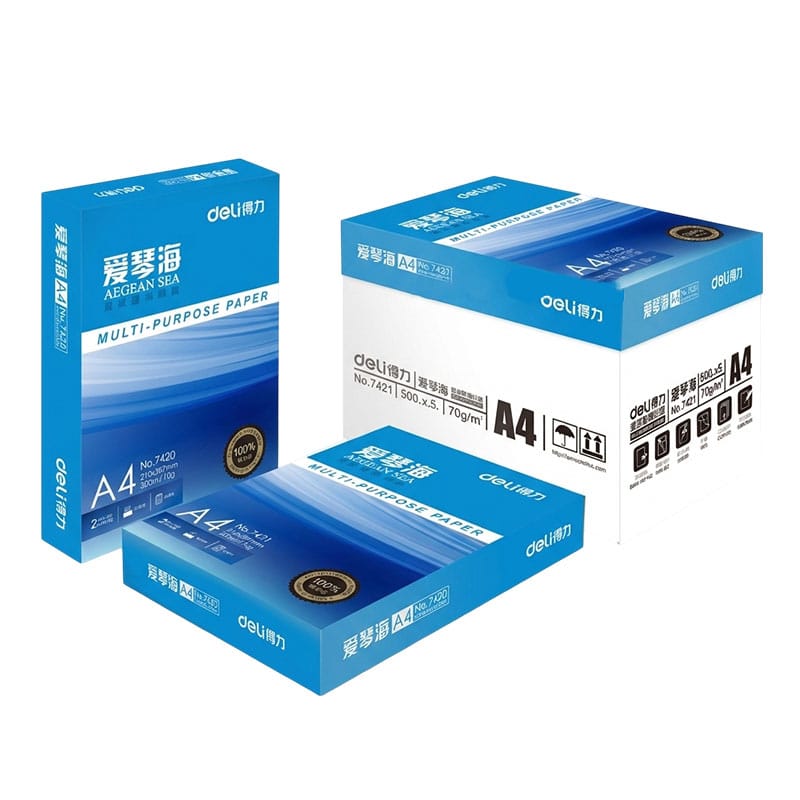
Review the relevant Heavy-Duty Corrugated Carton for Copy Paper and custom packaging services when preparing the brief. A product photograph illustrates the packaging family; it does not establish a tested strength, exact size or machine setting for your order.
For additional context while evaluating copy paper carton stapled joint, see Ream Wrapper Winding Direction: How to Approve a Printed Roll; Copy Paper Wrapper Seal Failure: A Buyer’s Troubleshooting Guide. Technical reference: FEFCO testing methods. Ask the responsible specialist which method applies to the actual package and use case.
Send your copy paper carton stapled joint requirements through the inquiry form below. State the items that are already approved and the decisions that still need a sample or technical review. A defined brief makes the supplier’s proposal easier to compare and helps the next production run follow the same accepted requirements.
Frequently asked questions
What should buyers confirm first about copy paper carton stapled joint?
A stapled joint can be considered for an appropriate carton construction, but the fasteners must not create a hazard for the wrapped paper or the people handling the pack. Confirm that the proposed joint is available for the order and specify it explicitly. Begin with the actual product and process so the supplier can review a defined requirement.
What evidence is needed to approve copy paper carton stapled joint?
Open and examine sample joints before loading, then inspect the corresponding wrapper surfaces after the agreed handling test. Record any exposed points, loose fasteners, tearing or joint movement. Keep the evidence linked to the copy paper carton stapled joint specification and the sample used.
Can a photograph or a nominal specification replace a physical sample?
For copy paper carton stapled joint, a photograph or nominal value documents only part of the requirement. Inspect staple placement, clinching and the joint overlap on actual production samples. Fasteners that project inward may contact ream wrappers, while an irregular joint can distort the box. Use the relevant measurements and functional checks before approval.
Which common purchasing mistake should be avoided?
When reviewing copy paper carton stapled joint, avoid treating “supplier choice left open” as complete evidence. Prefer “agreed fastening method and overlap” and retain the production sample. Agree the joint method with the carton supplier and include fastener condition in the acceptance criteria.
What should be reconfirmed on a repeat order?
Reconfirm the approved copy paper carton stapled joint specification, sample reference and any changes to material, geometry or operating conditions. Agree the joint method with the carton supplier and include fastener condition in the acceptance criteria. If an adhesive joint is proposed instead, assess the alternative as a controlled design change.