
Table of Contents
Die cut copy paper carton should be specified against the intended paper product, packing operation and distribution route. A die-cut copy-paper carton can combine specific openings, tabs or fold features in one blank. The benefit depends on whether those features simplify the actual packing and opening process. A custom outline adds tooling and revision requirements, so the drawing should solve a defined operational need rather than introduce complexity for appearance alone.
Define the scope of die cut copy paper carton
Separate cut lines, crease lines and nonprinting references in the approved structural file. Identify which face carries the artwork and how the blank is oriented during feeding. Small locking tabs or narrow bridges may behave differently across board grades and can be damaged in bundling or erection.
How to evaluate die cut copy paper carton
Check blank stripping, edge cleanliness and tab engagement using production-representative samples. Observe the whole assembly sequence and record where the operator must bend, force or reposition a feature. Test opening as well as closing: a design that assembles neatly can still tear a wrapper or become difficult for the customer to reopen.
Compare the purchasing options and evidence
The following comparison turns die cut copy paper carton into a specific purchasing conversation. The right-hand evidence column identifies what the buyer should request before accepting the proposed approach. It is a decision aid, not a universal specification or a supplier performance claim.
| Review item | Incomplete approach | Preferred approval basis | Evidence to retain |
|---|---|---|---|
| File control | Artwork PDF as sole reference | Separate cut and crease specification | Approved dieline revision |
| Function | Blank appearance only | Assembly and reopening assessed | Filled functional sample |
| Tooling | Unstated revision responsibility | Ownership and change process agreed | Quotation and tool record |
Work through a practical example
Imagine a proposed locking tab that eliminates one closure step. In the trial, the tab occasionally catches the end fold of the top ream. The correct improvement may be a revised tab position or loading sequence, not a stiffer tab. Confirm the change on another filled sample before authorizing a production tool revision.
Review copy paper carton flap design alongside die cut copy paper carton
The decision about die cut copy paper carton also interacts with copy paper carton flap design. Review this connection where it affects the proposed material, production process or delivery configuration.
Check the intended meeting line, the relationship between inner and outer flaps, and the position of the manufacturer's joint. A high wrapped stack may push against the closing flaps even when the carton length and width are correct. A lower stack may leave the flaps unsupported, changing how the closure behaves under load.
Run the proposed closure sequence without forcing the flaps flat by hand. Record springback, alignment and the contact pattern against the reams. When tape or adhesive is specified, assess the surface and application method together with the flap geometry. Closure success cannot be determined from the flap outline alone.
Review copy paper carton assembly alongside die cut copy paper carton
The decision about die cut copy paper carton also interacts with copy paper carton assembly. Review this connection where it affects the proposed material, production process or delivery configuration.
Identify which panels open first, how the bottom is closed, when the reams enter and when the top closes. Observe whether blanks feed in a consistent orientation and whether operators must correct squareness manually. Extra handling at one step often identifies a geometry, score or presentation problem worth resolving before a large order.
Trial representative blanks through the actual process and document stoppages by location and symptom. Separate failure to open, failure to fold and failure to close. Compare affected blanks with acceptable ones using the same measurements. Changing machine settings without retaining this distinction can make a recurring carton defect difficult to diagnose.
Approve die cut copy paper carton and control changes
Release the dieline, assembly method and artwork as linked revisions. Confirm tool ownership, maintenance and the handling of future changes in the commercial quotation. For a repeat order, identify the approved tool revision and verify that the supplier has not reused an older cutting file with the latest graphics.
Qualify the specification before the first order for die cut copy paper carton
For die cut copy paper carton, start qualification by naming the decision that the sample must support. Identify the product, operating conditions and delivery form covered by the approval. Make the boundary explicit: one sample may represent a particular SKU and material, while another size or construction may still need review. This prevents a narrow successful trial from becoming an unsupported approval for the whole range.
The die cut copy paper carton brief should separate fixed requirements from open choices. Put the buyer's mandatory dimensions, artwork and interface limits in one column, and the supplier's proposed solutions in another. Resolve differences while samples are still inexpensive to change. An attractive proposal is easier to assess when the buyer can see exactly which requirements it accepts and which it asks to revise.
Select representative samples for the die cut copy paper carton evaluation. Include normal production variation and the conditions most likely to challenge the design. Ask how each sample was made and whether it uses the intended material and conversion route. A hand-prepared mockup can resolve appearance or geometry, but its manufacturing history may limit what it demonstrates about production consistency.
Agree the acceptance method for die cut copy paper carton before examining the final results. Define the observations that matter, the reference used for comparison and who will decide borderline cases. Keep measurements with units and retain relevant photographs. When two candidates are compared, use the same method so a difference in the test does not masquerade as a difference in the packaging.
At the die cut copy paper carton approval meeting, distinguish verified requirements from unresolved items. A sample can be accepted for artwork while its material or functional review remains open. Record that limited status accurately. Assign the next action and the person responsible instead of treating a signature on one proof as authorization for every aspect of mass production.
Release the accepted die cut copy paper carton specification with its sample identifier and revision. During the first delivery, check that the supplied item matches that reference and observe it in the intended operation. Preserve any departure from the qualified conditions. The first production order should close the loop between the sample decision and the material that the packing team actually receives.

Prepare a clear request for quotation
To discuss die cut copy paper carton with Huasheng, provide the paper format, wrapped ream dimensions, intended quantity and the requirements highlighted above. Include the approved artwork if printing is involved, plus photographs or drawings that show the current packaging. Request confirmation of the proposed construction and sampling steps before production.
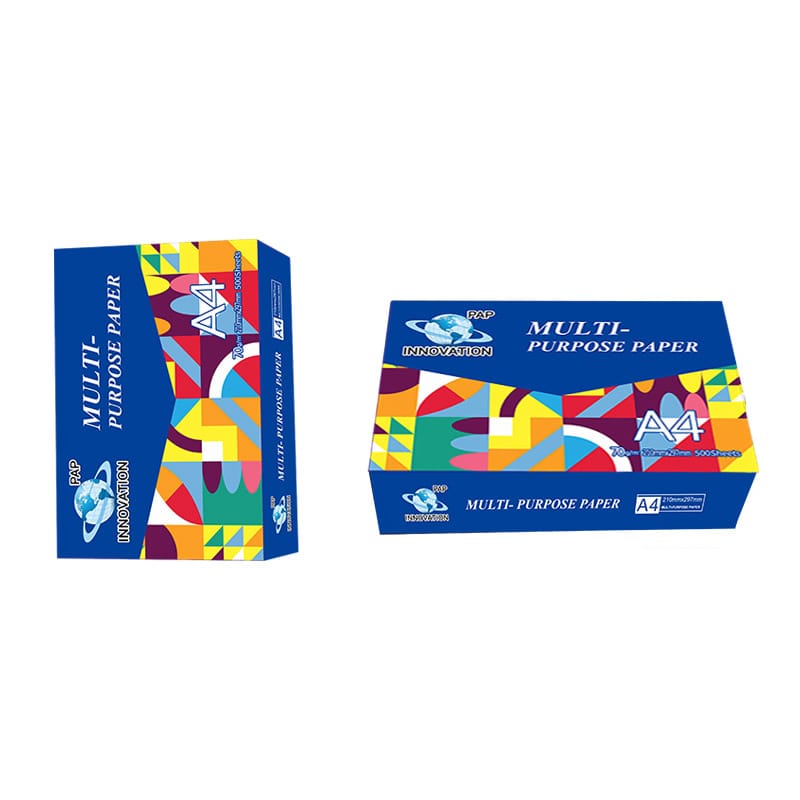
Review the relevant Heavy-Duty Corrugated Carton for Copy Paper and custom packaging services when preparing the brief. A product photograph illustrates the packaging family; it does not establish a tested strength, exact size or machine setting for your order.
For additional context while evaluating die cut copy paper carton, see Ream Wrapper Winding Direction: How to Approve a Printed Roll; Copy Paper Wrapper Seal Failure: A Buyer’s Troubleshooting Guide. Technical reference: FEFCO testing methods. Ask the responsible specialist which method applies to the actual package and use case.
Send your die cut copy paper carton requirements through the inquiry form below. State the items that are already approved and the decisions that still need a sample or technical review. A defined brief makes the supplier’s proposal easier to compare and helps the next production run follow the same accepted requirements.
Frequently asked questions
What should buyers confirm first about die cut copy paper carton?
A die-cut copy-paper carton can combine specific openings, tabs or fold features in one blank. The benefit depends on whether those features simplify the actual packing and opening process. Begin with the actual product and process so the supplier can review a defined requirement.
What evidence is needed to approve die cut copy paper carton?
Check blank stripping, edge cleanliness and tab engagement using production-representative samples. Observe the whole assembly sequence and record where the operator must bend, force or reposition a feature. Keep the evidence linked to the die cut copy paper carton specification and the sample used.
Can a photograph or a nominal specification replace a physical sample?
For die cut copy paper carton, a photograph or nominal value documents only part of the requirement. Separate cut lines, crease lines and nonprinting references in the approved structural file. Identify which face carries the artwork and how the blank is oriented during feeding. Use the relevant measurements and functional checks before approval.
Which common purchasing mistake should be avoided?
When reviewing die cut copy paper carton, avoid treating “artwork pdf as sole reference” as complete evidence. Prefer “separate cut and crease specification” and retain the approved dieline revision. Release the dieline, assembly method and artwork as linked revisions.
What should be reconfirmed on a repeat order?
Reconfirm the approved die cut copy paper carton specification, sample reference and any changes to material, geometry or operating conditions. Release the dieline, assembly method and artwork as linked revisions. Confirm tool ownership, maintenance and the handling of future changes in the commercial quotation.