
Table of Contents
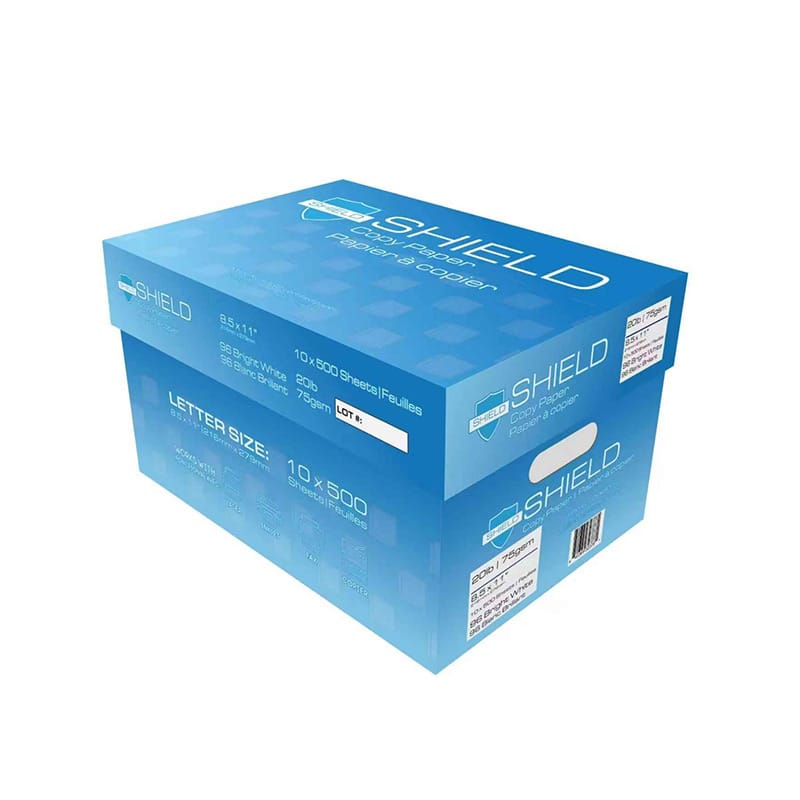
Flat packed copy paper carton should be specified against the intended paper product, packing operation and distribution route. Flat-packed cartons save space before erection, but the blanks still need protection and identification during transport and storage. Bent corners, crushed creases or mixed orientations can slow a copy-paper packing line even when the finished design is correct. Specify the delivery form as carefully as the erected box.
Define the scope of flat packed copy paper carton
Agree bundle quantity, stacking orientation, restraint and protection for exposed edges. Excessively tight straps can mark or deform the blanks, while loose bundles may shift. Keep bundle identity visible after stretch wrap or other transport protection is applied. A receiving team should be able to separate sizes and revisions without opening every bundle.
How to evaluate flat packed copy paper carton
Inspect samples from more than the top bundle and include blanks near straps and pallet edges. Erect a selection to see whether storage or transport has changed fold behavior. Record both the flat dimensions and the final box fit where relevant. A clean bundle wrapper does not prove that the creases underneath remain acceptable.
Compare the purchasing options and evidence
The following comparison turns flat packed copy paper carton into a specific purchasing conversation. The right-hand evidence column identifies what the buyer should request before accepting the proposed approach. It is a decision aid, not a universal specification or a supplier performance claim.
| Review item | Incomplete approach | Preferred approval basis | Evidence to retain |
|---|---|---|---|
| Bundle identity | Brand name only | SKU, quantity and revision | Visible bundle label |
| Restraint | Maximum strap tension | Restraint that protects creases | Arrival and erection trial |
| Inspection | Top blank only | Edge, strap and inner samples | Bundle-position record |
Work through a practical example
For an illustrative mixed order, two similarly printed carton sizes arrive together. If bundle labels identify only the customer name, the packing team may feed the wrong size before the difference becomes obvious. A clear SKU, quantity and drawing revision on each bundle reduces this avoidable sorting problem.
Review copy paper carton assembly alongside flat packed copy paper carton
The decision about flat packed copy paper carton also interacts with copy paper carton assembly. Review this connection where it affects the proposed material, production process or delivery configuration.
Identify which panels open first, how the bottom is closed, when the reams enter and when the top closes. Observe whether blanks feed in a consistent orientation and whether operators must correct squareness manually. Extra handling at one step often identifies a geometry, score or presentation problem worth resolving before a large order.
Trial representative blanks through the actual process and document stoppages by location and symptom. Separate failure to open, failure to fold and failure to close. Compare affected blanks with acceptable ones using the same measurements. Changing machine settings without retaining this distinction can make a recurring carton defect difficult to diagnose.
Review copy paper carton container loading alongside flat packed copy paper carton
The decision about flat packed copy paper carton also interacts with copy paper carton container loading. Review this connection where it affects the proposed material, production process or delivery configuration.
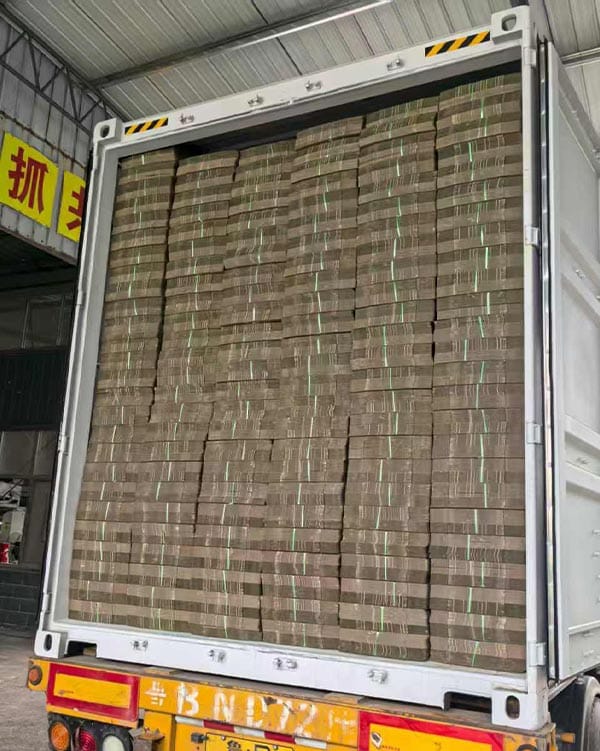
Use verified container and pallet dimensions rather than nominal descriptions alone. Include packaging overhang, protective materials and the space needed for restraint or unloading. A volume calculation can overstate capacity when weight limits, door clearance or practical access become the governing constraint. Confirm transport restrictions with the responsible logistics provider.
Prepare a load drawing and check it against a representative packed unit. Record bundle or pallet sequence so receiving staff can identify the order. Inspect restraint and edge protection without treating photographs as proof of a complete transport qualification. The plan should explain how the goods remain supported and how they will be removed safely.
Approve flat packed copy paper carton and control changes
Choose a bundle and pallet arrangement that protects the blanks and suits receiving equipment. Confirm storage support and the supplier's conditioning advice before use. When damage is found, preserve the bundle position and restraint details so the cause can be distinguished from a converting defect.
Investigate a defect without losing the original evidence for flat packed copy paper carton
An investigation involving flat packed copy paper carton should start with a precise description of the symptom. Record where it appears, when it first becomes visible and which quantity is affected. Keep the original material and its identification. A broad statement such as poor quality leaves too many possible causes open and makes a useful supplier response harder to obtain.
Map the flat packed copy paper carton defect to the packaging and process. Look for repeated positions, directions or timing. Compare the affected area with nearby surfaces, joints, folds or machine contacts where relevant. A consistent pattern can guide the next check, but treat it as a hypothesis until the evidence supports a cause.
Preserve both affected and unaffected flat packed copy paper carton samples from traceable locations. Include the approved reference if available. Photograph the condition before destructive examination or attempted repair. Once the material is altered, a later reviewer may be unable to distinguish the original defect from changes introduced during troubleshooting.
Test one explanation at a time in the flat packed copy paper carton investigation where practical. Use a controlled comparison and record what remains unchanged. If several adjustments are necessary for a safe trial, document the combined scope and avoid claiming that one adjustment alone solved the problem. A limited but accurate conclusion is more useful than an unsupported root-cause statement.
Evaluate any proposed flat packed copy paper carton correction through the stage that produced the original defect. Check whether the change introduces a different problem elsewhere, such as altered fit, appearance or handling. Do not close the investigation merely because one sample looks improved immediately after adjustment; retain the relevant follow-up observations.
Close the flat packed copy paper carton issue with the agreed disposition, corrective action and revision references. Link recovered material to its original identity and state any limits on use. Feed the confirmed lesson into the next order's acceptance plan, while keeping unproven explanations clearly separate from the evidence that actually supported the decision.
Prepare a clear request for quotation
To discuss flat packed copy paper carton with Huasheng, provide the paper format, wrapped ream dimensions, intended quantity and the requirements highlighted above. Include the approved artwork if printing is involved, plus photographs or drawings that show the current packaging. Request confirmation of the proposed construction and sampling steps before production.
Review the relevant 3-Layer Corrugated Carton for Copy Paper Export and custom packaging services when preparing the brief. A product photograph illustrates the packaging family; it does not establish a tested strength, exact size or machine setting for your order.
For additional context while evaluating flat packed copy paper carton, see Ream Wrapper Winding Direction: How to Approve a Printed Roll; Copy Paper Wrapper Seal Failure: A Buyer’s Troubleshooting Guide. Technical reference: ISTA test procedure selection. Ask the responsible specialist which method applies to the actual package and use case.
Send your flat packed copy paper carton requirements through the inquiry form below. State the items that are already approved and the decisions that still need a sample or technical review. A defined brief makes the supplier’s proposal easier to compare and helps the next production run follow the same accepted requirements.
Frequently asked questions
What should buyers confirm first about flat packed copy paper carton?
Flat-packed cartons save space before erection, but the blanks still need protection and identification during transport and storage. Bent corners, crushed creases or mixed orientations can slow a copy-paper packing line even when the finished design is correct. Begin with the actual product and process so the supplier can review a defined requirement.
What evidence is needed to approve flat packed copy paper carton?
Inspect samples from more than the top bundle and include blanks near straps and pallet edges. Erect a selection to see whether storage or transport has changed fold behavior. Keep the evidence linked to the flat packed copy paper carton specification and the sample used.
Can a photograph or a nominal specification replace a physical sample?
For flat packed copy paper carton, a photograph or nominal value documents only part of the requirement. Agree bundle quantity, stacking orientation, restraint and protection for exposed edges. Excessively tight straps can mark or deform the blanks, while loose bundles may shift. Use the relevant measurements and functional checks before approval.
Which common purchasing mistake should be avoided?
When reviewing flat packed copy paper carton, avoid treating “brand name only” as complete evidence. Prefer “sku, quantity and revision” and retain the visible bundle label. Choose a bundle and pallet arrangement that protects the blanks and suits receiving equipment.
What should be reconfirmed on a repeat order?
Reconfirm the approved flat packed copy paper carton specification, sample reference and any changes to material, geometry or operating conditions. Choose a bundle and pallet arrangement that protects the blanks and suits receiving equipment. Confirm storage support and the supplier’s conditioning advice before use.