
copy paper packaging artwork approval is a search topic with a practical commercial purpose: the buyer is not only learning about packaging, but also trying to reduce uncertainty before contacting a supplier. For copy paper, the packaging has to protect the ream, support pallet handling, present the brand clearly, and remain easy for warehouse teams to identify. A vague request can create slow quotations and repeated sample changes. A clear request gives the supplier enough detail to respond with a more useful proposal.
This guide explains copy paper packaging artwork approval from the point of view of procurement teams, paper mills, office paper brands, and distributors. It does not promise a universal package for every market. Instead, it shows what decisions should be documented, what tradeoffs should be checked, and how buyers can move from a broad idea to a quotation-ready packaging brief.
Table of Contents
- Why Artwork Approval for Private Label Orders Matters
- The Buyer Risk Behind the Search
- What to Define Before You Ask for a Quote
- Material and Structure Decisions
- Print, Label, and Handling Requirements
- Sample Review Before Production
- Comparison Table
- Questions to Ask the Supplier
- How to Turn the Guide Into an Inquiry
- FAQs
Why Artwork Approval for Private Label Orders Matters
The main reason to study copy paper packaging artwork approval is that copy paper packaging is exposed to many small points of pressure before the end user ever sees the product. Cartons may be loaded onto pallets, moved by forklifts, stored in humid warehouses, opened by retail teams, or unpacked in offices. If the packaging design is not matched to that route, the problem often appears as crushed corners, torn ream wraps, unreadable labels, or cartons that are difficult to handle.
A buyer who searches for copy paper packaging artwork approval usually needs a working checklist, not a generic article about boxes. The useful answer should connect carton structure, ream protection, artwork control, pallet logic, and supplier communication. That is why the best starting point is not the color of the carton; it is the movement of the paper from packing line to customer receiving area.
The Buyer Risk Behind the Search
copy paper packaging artwork approval should begin with the buyer’s risk profile. Import buyers often worry about container movement and long storage time. Wholesale distributors care about pallet stacking, warehouse recognition, and repeat orders. Private label brands also need printed panels, logo position, color control, and SKU visibility to stay consistent across batches.
The mistake is to treat packaging as a single visual item. In practice, copy paper packaging artwork approval has to account for weight, dimensions, fold quality, board selection, print tolerance, moisture exposure, and how cartons are handled after arrival. When these details are missing, the supplier may quote a package that looks acceptable in a photo but fails during a real distribution cycle.
For a stronger buying process, separate the risk into three layers: product protection, logistics handling, and sales presentation. Product protection covers reams and sheet quality. Logistics handling covers stacking, opening, labeling, and pallet movement. Sales presentation covers the way the carton or wrapper represents the brand when customers inspect the shipment.
What to Define Before You Ask for a Quote
A useful copy paper packaging artwork approval brief should state the paper format, sheet count or ream count, carton load, intended market, pallet pattern, and preferred opening style. If the buyer has an existing package, photos and measured dimensions should be included. If the project is new, the buyer should explain whether the packaging is for retail shelves, wholesale delivery, office supply distribution, or export containers.
Many quotation delays come from incomplete specifications. For example, asking for “A4 copy paper boxes” is not enough. The supplier still needs to know carton capacity, outside dimensions, print coverage, board preference, handling marks, and whether the buyer expects ream wrappers, cartons, packaging rolls, or a full copy paper packaging system. Clear details allow the supplier to evaluate feasibility before sampling.
Huasheng’s copy paper box solutions page is a useful internal reference when buyers want to connect copy paper packaging artwork approval with carton design, OEM branding, and practical packaging formats. For broader product categories, buyers can also review the copy paper packaging products page before preparing an inquiry.
Material and Structure Decisions
Material selection is one of the most visible parts of copy paper packaging artwork approval, but it should be evaluated by use case rather than habit. A carton for heavy bulk handling may need a different structure from a carton used mainly for organized office distribution. A ream wrapper that looks clean on a sample table may still need stronger fold behavior if the product will pass through several warehouses.
Buyers should avoid requesting the thickest material by default. Stronger material can help in some routes, but the better decision is to match structure, carton geometry, and handling conditions. Good copy paper packaging artwork approval compares board performance, fold quality, surface requirements, and loading method together. The packaging should be strong enough for its route while still being practical for production and repeat orders.
If export movement is involved, buyers should also ask how the packaging responds to stacking pressure, moisture changes, and mixed handling. External references such as the general explanation of corrugated fiberboard can help non-technical buyers understand why flute structure and board design affect carton behavior.
Print, Label, and Handling Requirements
Printed panels and labels are not secondary details in copy paper packaging artwork approval. They affect receiving speed, customer confidence, and the way a distributor identifies the product during storage. A carton may be structurally acceptable but still create operational problems if batch codes, SKU labels, paper size, or handling marks are hard to read.
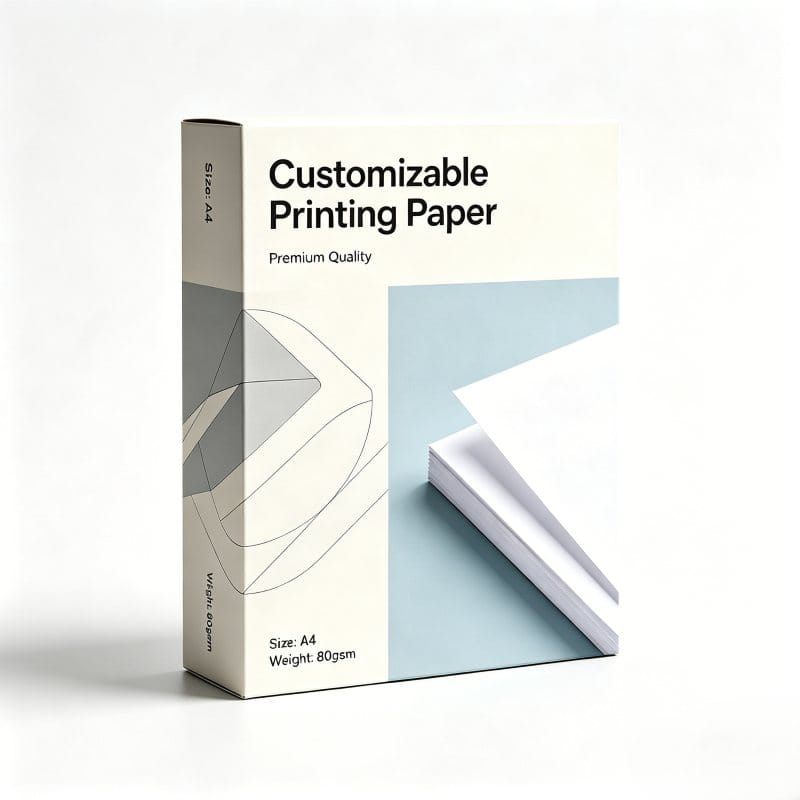
For private label or OEM projects, buyers should provide artwork files, logo placement rules, color expectations, barcode location, and any required product information. If multiple sizes or paper grades share the same package style, copy paper packaging artwork approval should also define which visual elements distinguish each SKU. That avoids confusion when cartons are stacked together in a warehouse.
The goal is not to cover every panel with artwork. The goal is to make the package easy to recognize and easy to process. A clean label zone, readable handling mark, and consistent print layout can reduce receiving questions and make reorder communication more precise.
Sample Review Before Production
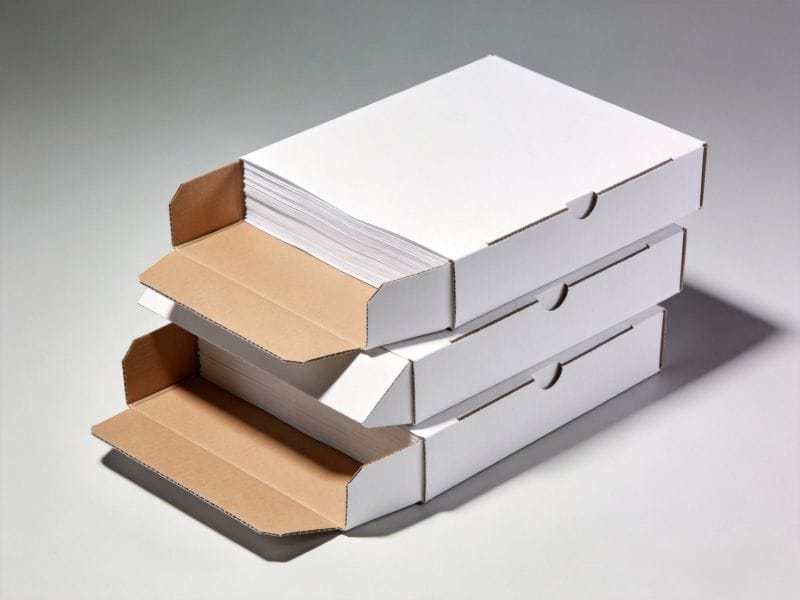
A sample is only useful when the buyer knows what to check. For copy paper packaging artwork approval, the review should include packed appearance, carton closure, opening behavior, edge condition, print alignment, label position, and how the package sits when stacked. A photo alone is not enough if the shipment route is demanding.
Buyers should request photos from several angles and keep written notes on what is approved. The approved sample record should include carton dimensions, material notes, artwork version, label position, and the expected packing method. This record protects both sides because the supplier knows what to repeat and the buyer has a practical benchmark for receiving inspection.
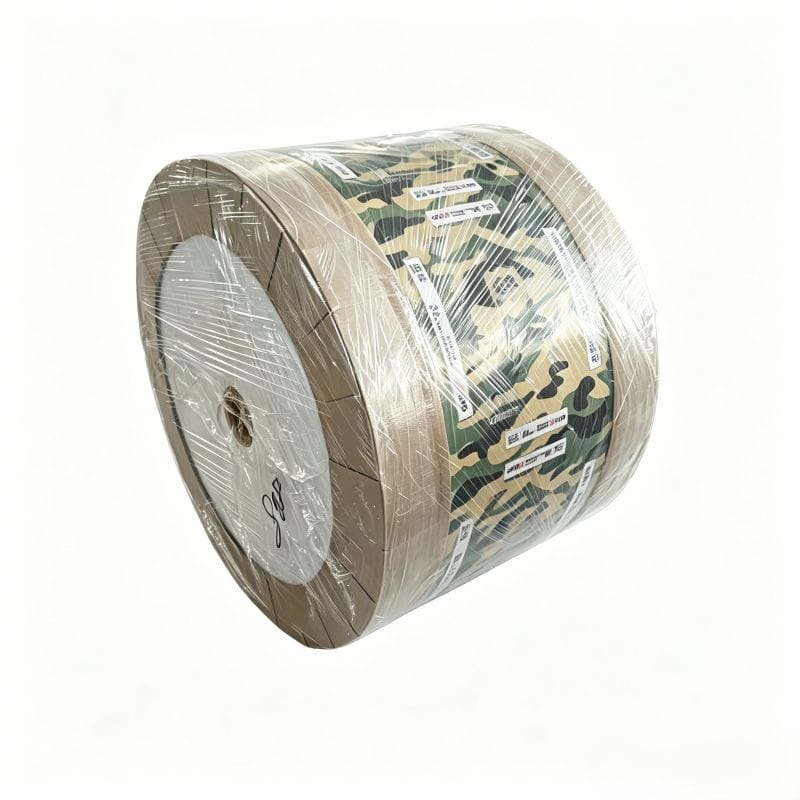
When a packaging roll or ream wrapper is part of the project, copy paper packaging artwork approval should also check fold cleanliness and surface scuffing. If cartons are part of the project, the buyer should check stacking behavior and corner protection. If the order combines both, the sample review should confirm that inner and outer packaging work together rather than being evaluated separately.
Comparison Table
| Decision Area | Weak Buying Approach | Stronger Approach for Inquiry |
| Carton design | Ask for a standard carton only | Define carton load, route, stacking, and copy paper packaging artwork approval |
| Artwork | Send a logo and wait for proof | Provide panels, barcode zones, print notes, and approval rules |
| Sample review | Approve based on one photo | Check filled sample, closure, labels, corners, and packed appearance |
| Reorder control | Use old emails as reference | Keep approved dimensions, photos, material notes, and artwork version |
| Supplier communication | Ask for a fast quote with few details | Send a clear brief, target usage, and receiving expectations |
Questions to Ask the Supplier
Before sending an RFQ, buyers should prepare supplier questions that make copy paper packaging artwork approval easier to evaluate. Ask what carton structure is suitable for the paper load, what sample information is needed, what artwork format should be supplied, and which packaging details are most likely to affect production repeatability.
The questions should also cover receiving and storage. For example, can warehouse teams identify the paper size quickly? Is the label visible when cartons are stacked? Does the opening style match the way customers unpack the product? Can the same packaging be repeated for future orders without redesigning the full brief?
For service-related support, buyers can review Huasheng’s custom copy paper packaging services page. When the project is ready for discussion, the contact page is the right place to send paper size, carton quantity, destination, packaging photos, and target requirements.
How to Turn the Guide Into an Inquiry
The most effective way to use copy paper packaging artwork approval is to turn the article into an internal buying document. Start with the paper product, then describe the distribution route, then attach reference photos, then list the acceptance checks. This makes the inquiry easier for a supplier to understand and easier for your own team to approve.
Procurement teams should also keep the document short enough to be used. A practical copy paper packaging artwork approval file can be a one-page brief with photos, a carton drawing, artwork notes, and a receiving checklist. The supplier does not need a long essay; the supplier needs clear decisions and a way to confirm that the sample matches the buyer’s expectations.
When the project involves carton packaging, the copy paper packaging cartons category can help buyers compare product direction. When the project involves wrapper or roll-based packaging, the copy paper packaging roll category gives another internal route for reviewing options.
For buyers comparing several suppliers, copy paper packaging artwork approval should stay consistent across the RFQ, sample approval file, and receiving checklist. Using the same phrase and the same decision notes helps every supplier respond to the same requirement instead of interpreting the project differently.
For buyers comparing several suppliers, copy paper packaging artwork approval should stay consistent across the RFQ, sample approval file, and receiving checklist. Using the same phrase and the same decision notes helps every supplier respond to the same requirement instead of interpreting the project differently.
For buyers comparing several suppliers, copy paper packaging artwork approval should stay consistent across the RFQ, sample approval file, and receiving checklist. Using the same phrase and the same decision notes helps every supplier respond to the same requirement instead of interpreting the project differently.
For buyers comparing several suppliers, copy paper packaging artwork approval should stay consistent across the RFQ, sample approval file, and receiving checklist. Using the same phrase and the same decision notes helps every supplier respond to the same requirement instead of interpreting the project differently.
For buyers comparing several suppliers, copy paper packaging artwork approval should stay consistent across the RFQ, sample approval file, and receiving checklist. Using the same phrase and the same decision notes helps every supplier respond to the same requirement instead of interpreting the project differently.
For buyers comparing several suppliers, copy paper packaging artwork approval should stay consistent across the RFQ, sample approval file, and receiving checklist. Using the same phrase and the same decision notes helps every supplier respond to the same requirement instead of interpreting the project differently.
FAQs
What is copy paper packaging artwork approval?
copy paper packaging artwork approval is a practical buying topic that helps paper brands, distributors, and import teams define the packaging details needed before they approve a carton, wrapper, or shipment plan.
Why does copy paper packaging artwork approval matter for bulk orders?
copy paper packaging artwork approval matters because bulk orders expose small packaging choices to repeated warehouse handling, stacked pallets, export movement, and customer receiving checks.
Should buyers request samples for copy paper packaging artwork approval?
Yes. Buyers should request filled or production-like samples for copy paper packaging artwork approval so that carton strength, opening, artwork, labels, and packed appearance can be reviewed before mass production.
What information should be included in copy paper packaging artwork approval?
A useful copy paper packaging artwork approval brief should include paper size, ream count, carton quantity, distribution route, branding requirements, label placement, photos, and acceptance notes.
How can Huasheng support copy paper packaging artwork approval?
Huasheng can review the intended paper format, carton style, packing route, and artwork requirements, then help turn copy paper packaging artwork approval into a clearer sample or quotation request.
Request a Packaging Review
If your team is preparing a copy paper packaging order, send Huasheng the paper size, ream count, carton quantity, destination, current packaging issue, and any artwork requirements. A focused review of copy paper packaging artwork approval can turn a broad inquiry into a clearer sample plan and a more useful quotation request.