
copy paper packaging shipping marks may look like a small detail, but it often decides whether an export shipment is easy to identify, receive, store, and reorder. For copy paper, cartons may move from a converting line to pallets, containers, forwarder warehouses, distributor facilities, retail storage, and office supply customers. If the shipping mark is unclear, every step becomes slower and more exposed to mistakes.
This guide explains how buyers can plan copy paper packaging shipping marks before requesting samples or approving carton artwork. It is written for import buyers, paper distributors, private label teams, and purchasing managers who need packaging that works beyond the production floor. The goal is to help the buyer send a clearer inquiry, reduce artwork revisions, and make the final copy paper cartons easier to handle after arrival.
Table of Contents
- Why Shipping Marks Matter for Export Copy Paper
- The Buyer Intent Behind This Checklist
- What to Include on Export Cartons
- Where Shipping Marks Should Appear
- Artwork and Print Approval Checks
- Warehouse, Pallet, and Receiving Use
- Comparison Table
- Common Mistakes to Avoid
- How to Turn the Checklist Into an RFQ
- FAQs
Why Shipping Marks Matter for Export Copy Paper
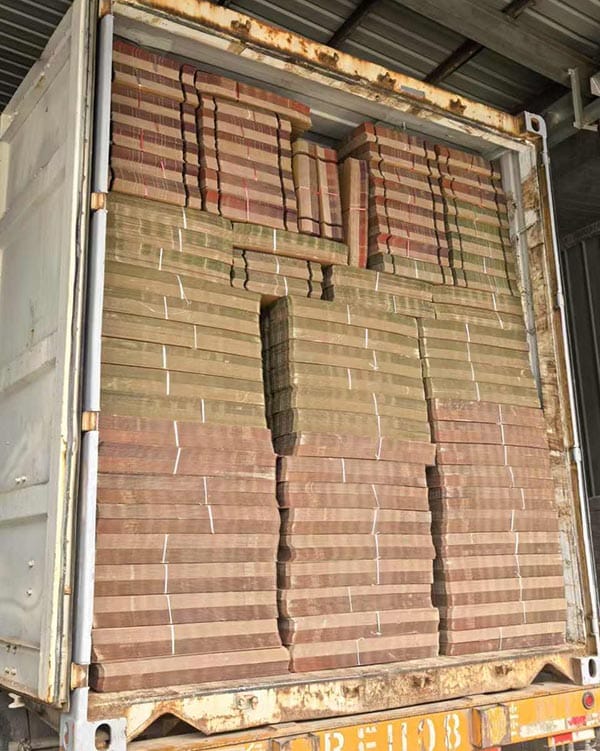
copy paper packaging shipping marks matter because copy paper is usually ordered in repeated carton quantities, not isolated single units. A clean mark helps warehouse teams identify paper size, brand, grade, quantity, destination, and handling instructions without opening cartons unnecessarily. That makes receiving faster and reduces the chance of mixing similar SKUs.
For export cartons, the risk is not only damage. Buyers also need to avoid shipment confusion, unreadable labels, misplaced carton information, and markings that disappear under pallet wrapping. Good copy paper packaging shipping marks connect packaging design with logistics reality. They help the buyer control how the carton is seen when it is stacked, moved, and received.
The Buyer Intent Behind This Checklist
A buyer searching for copy paper packaging shipping marks is usually close to a procurement decision. The buyer may already know the paper format, carton quantity, destination market, and packaging style. What is missing is the operational detail that makes the carton usable in export distribution.
This is why copy paper packaging shipping marks should be treated as part of the quotation package, not a last-minute design note. When buyers include the mark requirements early, the supplier can check whether the selected panels, print method, carton size, and pallet layout support the same handling plan. That makes the quote more practical and the sample review more useful.
If your team is still preparing the broader buying brief, Huasheng’s article on a copy paper packaging quote request can help organize the information before supplier discussion. Buyers can also review copy paper packaging for import buyers when the shipment route includes receiving inspection and distributor handling.
What to Include on Export Cartons
Useful copy paper packaging shipping marks usually include product name, paper size, sheet count or ream count, carton quantity, gross or net weight when required by the buyer, handling direction, batch code, SKU, destination reference, and any barcode or warehouse label rule. The exact list depends on the buyer’s market and the receiving process.
The best approach is to separate commercial branding from logistics identification. A carton can carry a brand logo and still need a clear mark zone for warehouse teams. If the same brand sells multiple paper sizes, copy paper packaging shipping marks should make those sizes easy to distinguish. If cartons move through a distributor network, the mark should support quick sorting without opening the case.
Buyers should avoid crowding every panel. Too much information makes the carton harder to read. A cleaner plan is to define a primary mark panel, a secondary mark panel, and a barcode or label area. For copy paper cartons, that clarity can be more valuable than decorative print coverage.
Where Shipping Marks Should Appear
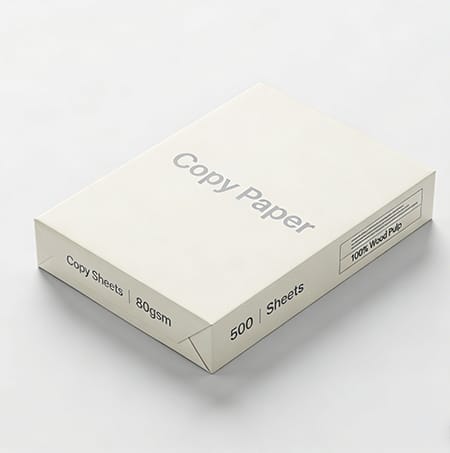
Placement is one of the most common weaknesses in copy paper packaging shipping marks. A mark that looks correct on a flat artwork proof may be hidden after pallet stacking, stretch wrapping, or warehouse storage. Buyers should check how the carton is seen when it sits on a pallet, not only how it looks in the design file.
For export cartons, at least one visible side panel should carry the main identification information. If pallets may be stored from different directions, two-sided marking can help. If the carton includes an opening flap, label zones should avoid fold lines, glue areas, and panels that will be damaged during normal opening.
Buyers should ask for sample photos of copy paper packaging shipping marks on a filled carton. The photos should show the carton standing alone, stacked on a pallet, and wrapped if the order normally ships that way. This simple check can reveal whether the mark is large enough and whether it remains readable during handling.
Artwork and Print Approval Checks
copy paper packaging shipping marks need the same approval discipline as logo artwork. Buyers should confirm spelling, product specifications, barcode rules, panel location, print color, and information hierarchy before mass production. A small text error can become expensive when it repeats across a full export order.
Artwork approval should include a marked dieline or panel layout. The buyer should know which panel faces outward on the pallet, which panel supports the barcode, and which panel carries handling instructions. If the project uses labels instead of direct print, the buyer should approve label size, adhesive behavior, and placement tolerance.
Huasheng’s copy paper box solutions page can help buyers connect copy paper packaging shipping marks with carton layout and OEM packaging requirements. For service support, the custom copy paper packaging services page is useful when the project requires artwork coordination before sampling.
Warehouse, Pallet, and Receiving Use
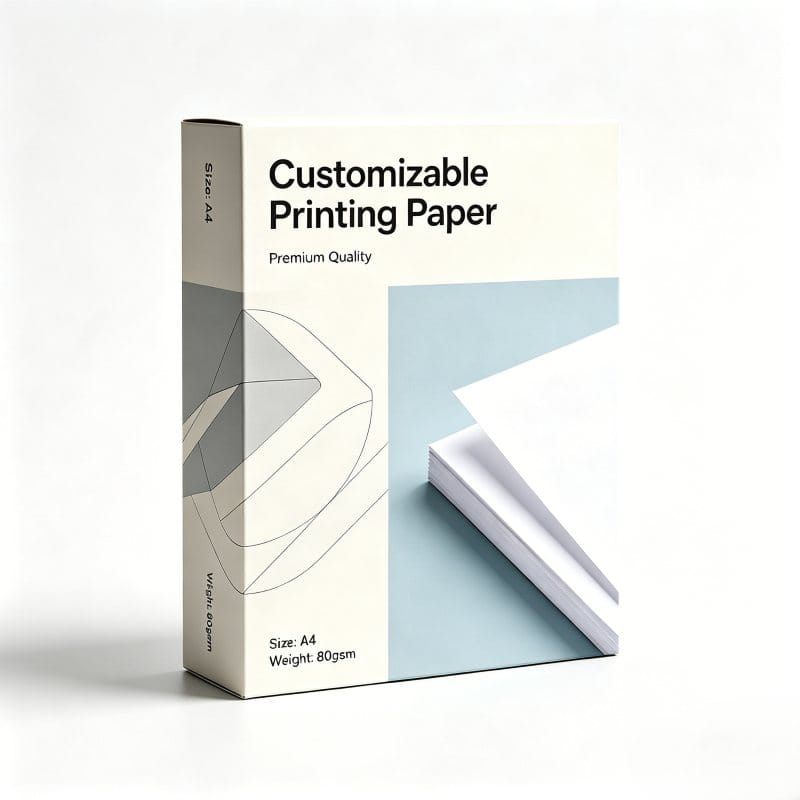
The real test for copy paper packaging shipping marks happens in the warehouse. Can receiving teams identify the carton without cutting wrap? Can distributors separate A4, letter, legal, or mixed SKU cartons quickly? Can the batch be traced if the buyer needs to compare shipments? These questions should shape the mark before artwork is approved.
Buyers should think about pallet height, carton orientation, label visibility, and the way cartons will be picked after arrival. If the same carton style is used for several paper products, copy paper packaging shipping marks should make the variable information obvious. If cartons are exported to multiple markets, destination-specific information may need a flexible label zone instead of a fixed printed line.
For carton category review, buyers can compare options on the copy paper packaging cartons page. For broader product planning, the copy paper packaging products page helps connect carton marks with wrappers, rolls, and other packaging formats.
Comparison Table
| Decision Area | Weak Approach | Stronger Export Approach |
| Main identification | Small text placed wherever space remains | Dedicated panel for copy paper packaging shipping marks with readable hierarchy |
| Barcode or SKU | Added after carton artwork is approved | Approved with panel location, size, and receiving rules |
| Pallet visibility | Checked only on flat artwork | Checked on filled carton and stacked pallet photos |
| Multiple SKUs | Same carton look with minor hidden text changes | Clear size, batch, and product identifiers on visible panels |
| Reorders | Supplier repeats old file without notes | Buyer keeps approved mark file, photos, and acceptance checklist |
Common Mistakes to Avoid
The first mistake is making copy paper packaging shipping marks too small. Copy paper cartons often move in stacks, and a mark that is readable on a computer screen may be hard to read in a warehouse. The second mistake is placing the mark where pallet wrap, corner protection, or handling damage can hide it.
Another mistake is mixing marketing copy with logistics information. A carton can have attractive branding, but warehouse teams need fast identification. Buyers should keep essential information clear, consistent, and repeated where necessary. If a distributor has specific receiving rules, those rules should be part of copy paper packaging shipping marks before the sample is approved.
Buyers should also avoid unsupported claims or unnecessary certification wording unless documentation exists. The mark should help identify and handle the product, not create compliance questions. External references such as the general explanation of shipping marks can help teams understand the basic logistics purpose, but the final carton details should match the actual order.
How to Turn the Checklist Into an RFQ
To turn copy paper packaging shipping marks into an RFQ, buyers should send the supplier a short file with paper size, carton loading, destination, pallet plan, sample requirements, artwork files, mark text, barcode rules, and photos of any current packaging problem. The supplier can then review the carton structure and print layout together.
A strong RFQ also explains how the carton will be received. If distributors need visible SKU codes, say so. If the buyer requires a clean label zone, mark it. If the carton will be exported in mixed pallets, explain how teams will separate the products after arrival. These details turn copy paper packaging shipping marks into a practical packaging requirement.
When the brief is ready, buyers can send the information through Huasheng’s contact page. Include carton quantity, paper format, export destination, current carton photos, and the mark information your team wants to approve before production.
Approval Record for Reorders
A useful approval record keeps copy paper packaging shipping marks from becoming a one-time artwork decision. Buyers should save the approved carton proof, filled-carton photos, pallet photos, barcode rules, destination notes, and any warehouse receiving comments in the same file. When the next order is placed, the supplier can compare the new proof with the approved record instead of rebuilding the mark layout from memory.
For private label paper brands, the approval record should also note which information is fixed and which information can change by SKU or destination. Product name, paper size, carton quantity, batch code, and destination references may need flexible zones, while brand logo position and main handling marks may stay fixed. That distinction makes copy paper packaging shipping marks easier to repeat across multiple purchase orders.
The final check is practical: ask whether the mark can still be read when the carton is on a pallet, partly wrapped, or stored beside similar copy paper cartons. If the answer is uncertain, the buyer should request revised panel placement before approving mass production.
A receiving photo checklist is also useful after the shipment arrives. Buyers can ask the warehouse team to photograph one visible carton panel, one pallet side, one barcode or SKU area, and one opened carton. Those photos show whether the approved mark layout worked in real handling conditions and give the purchasing team better evidence for the next reorder discussion.
Final Export Mark Review Note
Before final approval, buyers should review copy paper packaging shipping marks against the actual route, not only the artwork proof. A practical check should confirm that copy paper packaging shipping marks remain visible on stacked cartons, match the warehouse receiving process, and support fast SKU identification when several paper sizes ship together. This final review keeps the carton useful after production, not just attractive during approval.
FAQs
What are copy paper packaging shipping marks?
copy paper packaging shipping marks are the printed or labeled carton details that help buyers, forwarders, warehouse teams, and receivers identify copy paper shipments during export handling.
Why are copy paper packaging shipping marks important for export cartons?
copy paper packaging shipping marks are important because carton identification, handling direction, SKU recognition, and receiving checks become harder when pallets move through several logistics points.
Should copy paper packaging shipping marks be printed or labeled?
They can be printed or labeled depending on order size, artwork approval, warehouse requirements, and reordering plans, but the method should be confirmed before sampling.
What should buyers provide before approving copy paper packaging shipping marks?
Buyers should provide product name, size, quantity, SKU, destination requirements, handling marks, barcode rules, carton panels, and any distributor receiving instructions.
Can Huasheng help review copy paper packaging shipping marks?
Huasheng can review carton structure, panel layout, label zones, artwork files, pallet handling, and the buyer’s export route before a copy paper packaging sample is approved.
Request a Packaging Review
If your team is preparing an export copy paper order, send Huasheng the paper size, carton quantity, pallet plan, artwork file, and required mark information. A focused review of copy paper packaging shipping marks can help turn a broad packaging inquiry into a clearer sample plan and a quote-ready specification.