
Table of Contents
Introduction
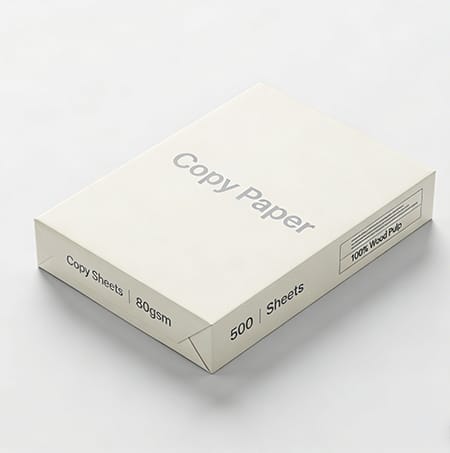
In today’s global trade environment, copy print paper packaging plays a crucial role in ensuring product quality, efficient logistics, and customer satisfaction. As demand for office paper continues across industries, businesses must choose packaging solutions that balance protection, cost efficiency, and supply chain performance.
This article compares the most common copy print paper packaging options and explains how each supports modern supply chain operations.
Why Packaging Matters in Copy Print Paper Supply Chains
Copy paper is highly sensitive to environmental factors such as moisture, pressure, and dust. Without proper packaging, even high-quality paper can become unusable during transport or storage.
Effective packaging helps to:
- Maintain sheet flatness and cleanliness
- Prevent moisture damage and curling
- Improve warehouse handling efficiency
- Reduce transportation losses
- Enhance brand presentation
Common Copy Print Paper Packaging Types
Ream Packaging
Ream packaging is the most basic form, typically wrapping 500 sheets per unit.
Advantages:
- Easy handling and distribution
- Low packaging cost
- Suitable for office supply use
Limitations:
- Minimal protection during long-distance shipping
Shrink-Wrapped Packaging
Shrink wrap secures multiple reams tightly with plastic film.
Advantages:
- Strong moisture resistance
- Improved stability during transport
- Reduced contamination risk
Best for: Humid environments and export shipping
Corrugated Carton Packaging
Cartons provide structural strength for stacking and transport.
Advantages:
- High compression resistance
- Better stacking efficiency
- Strong protection against crushing
Best for: Wholesale and warehouse distribution
Palletized Packaging
Multiple cartons are stacked on pallets and secured with stretch film.
Advantages:
- Maximum transport stability
- Faster loading and unloading
- Efficient bulk handling
Best for: Large-scale logistics and international shipping
Custom/OEM Packaging
Customized packaging solutions designed for branding and market differentiation.
Advantages:
- Brand visibility enhancement
- Flexible sizing and design
- Premium product presentation
Best for: Retail and private-label products
Comparison Table of Copy Print Paper Packaging
| Packaging Type | Protection Level | Ideal Application | Key Advantage |
|---|---|---|---|
| Ream Packaging | Basic | Office supply | Cost-effective, simple handling |
| Shrink Wrap | High | Export & humid regions | Moisture protection |
| Corrugated Carton | High | Wholesale distribution | Structural strength |
| Palletized Packaging | Very High | Bulk logistics | Transport stability |
| Custom Packaging | Variable | Branding & retail | Product differentiation |
Key Factors in Choosing Packaging
Supply Chain Distance
Long-distance shipping requires stronger packaging such as cartons or pallets.
Storage Environment
High humidity environments demand moisture-resistant solutions like shrink wrap.
Handling Requirements
Frequent handling requires durable and stackable packaging formats.
Branding Needs
Custom packaging enhances visibility in competitive retail markets.
How Packaging Impacts Supply Chain Efficiency
Proper copy print paper packaging improves supply chain performance in several ways:
- Reduces product damage during transit
- Improves warehouse organization and stacking
- Speeds up loading and unloading operations
- Minimizes return and replacement costs
- Enhances inventory traceability
Industry Trends in Copy Print Paper Packaging
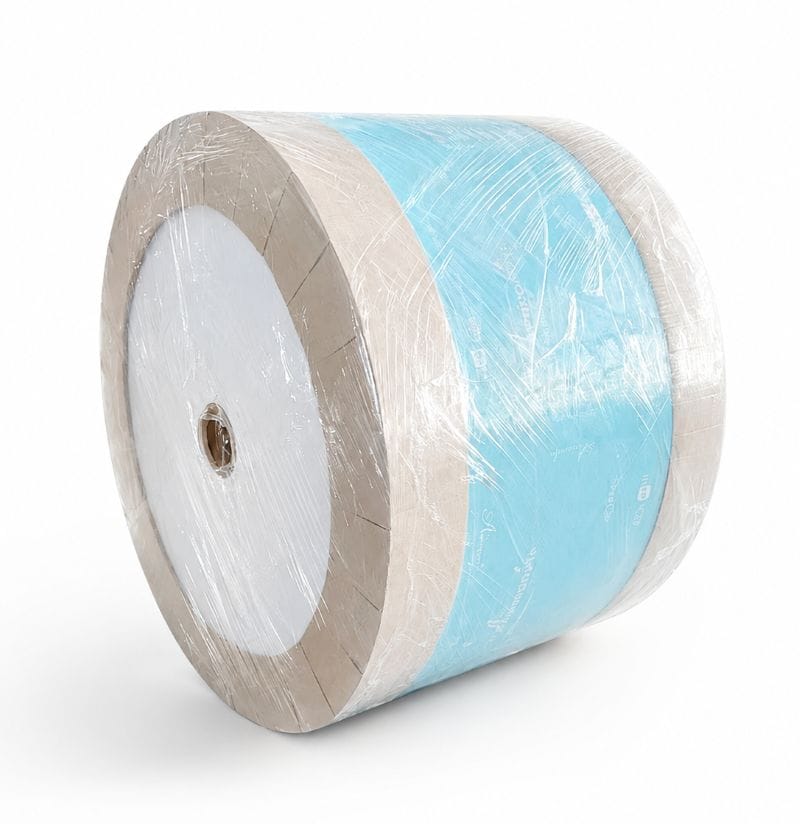
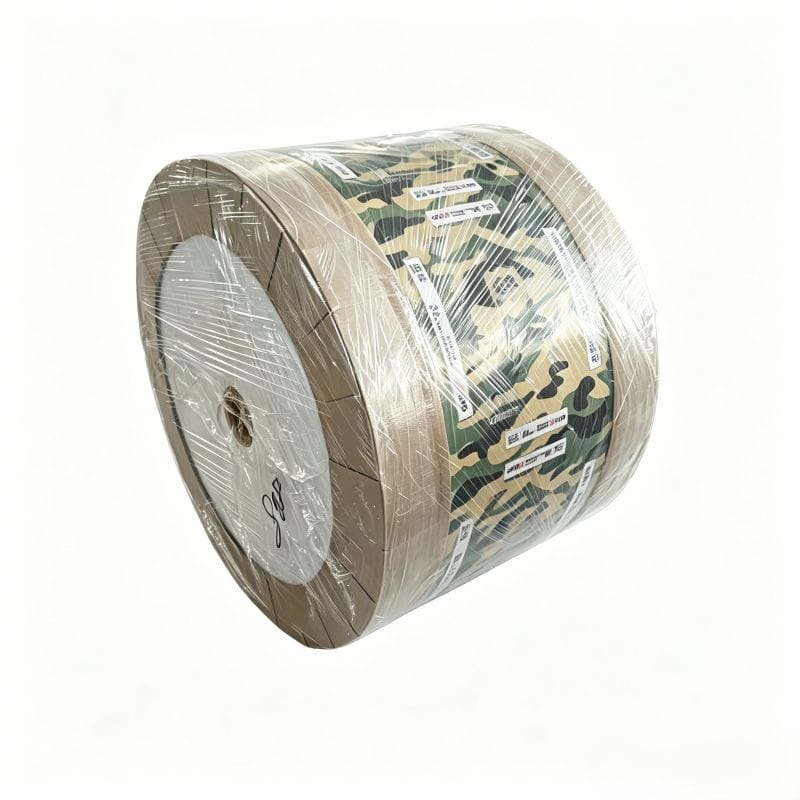
The packaging industry is evolving toward:
- Eco-friendly recyclable materials
- Lightweight yet high-strength cartons
- Reduced plastic usage in wrapping
- Standardized pallet systems
- Smart labeling and tracking integration
These innovations help companies improve sustainability and logistics efficiency simultaneously.
Conclusion
Selecting the right copy print paper packaging is essential for maintaining product quality and optimizing supply chain performance. From basic ream wrapping to advanced palletized systems, each packaging type offers unique advantages depending on logistics needs, storage conditions, and market requirements.
A well-optimized packaging strategy not only protects paper but also improves operational efficiency and customer satisfaction.
FAQ
What is copy print paper packaging?
Copy print paper packaging refers to protective materials used to wrap and pack printing paper, ensuring it stays clean, flat, and undamaged during storage, handling, and transportation across the supply chain.
Why is packaging important for copy print paper?
Proper packaging prevents moisture, dust, and bending damage. It helps maintain paper quality, ensures smooth printing performance, and reduces product loss during shipping or warehouse storage.
What are the main types of copy print paper packaging?
Common types include ream wrapping, shrink wrap, corrugated cartons, palletized packaging, and custom packaging solutions. Each type offers different protection levels for various logistics needs.
Which packaging is best for long-distance shipping?
For long-distance or export shipping, corrugated cartons combined with palletized packaging provide strong protection, stability, and resistance against compression and transportation damage.
Can copy print paper packaging be customized?
Yes, packaging can be customized with branding, sizes, and eco-friendly materials. Custom packaging improves brand visibility and helps meet specific storage and logistics requirements.
Need Help Choosing the Right Copy Print Paper Packaging?
If you’re unsure which packaging solution best protects your paper during storage, handling, or shipping, our experts are here to help. Contact us today for a personalized consultation, and ensure your copy print paper stays clean, flat, and fully protected across the supply chain. Don’t wait until it’s too late—get in touch now to improve packaging efficiency and reduce product damage!