
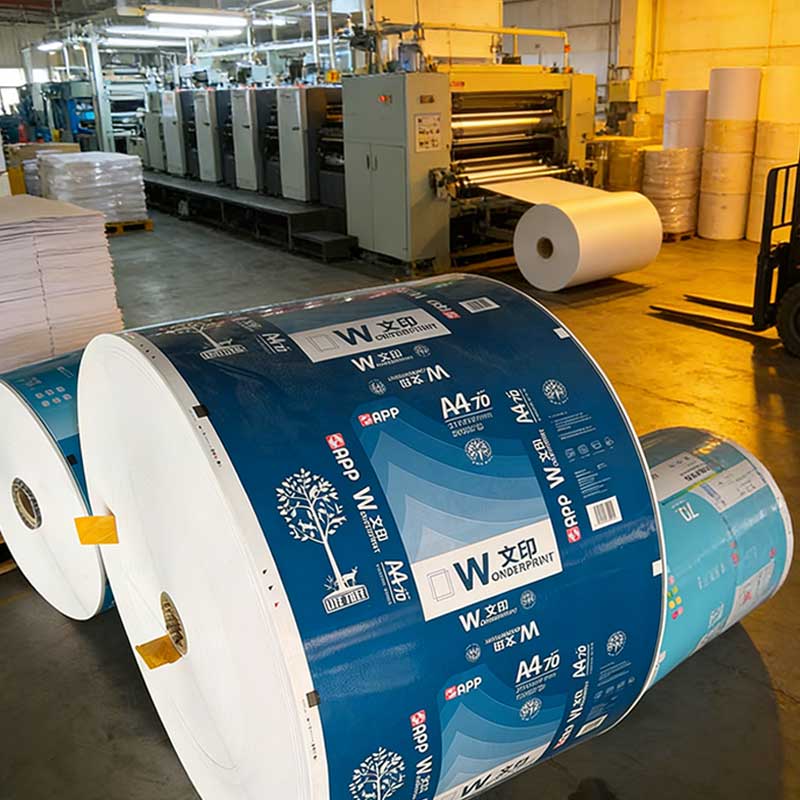
Selecting the right copy paper packaging solution is essential for distributors, private-label brands, and office supply companies. Copy paper comes in a wide range of sizes—from A5 small office reams to large A3 or tabloid sheets for professional printing. While buyers often focus on paper specifications such as brightness, grammage, or opacity, the packaging used to store and ship the paper is equally important. A poorly designed box can lead to bent corners, edge damage, moisture absorption, and even reduced print performance. On the other hand, a well-engineered copy paper packaging solution ensures protection, efficient logistics, and a professional brand presentation.
For businesses managing multiple paper formats, understanding how to match packaging with size, weight, and distribution requirements is critical to maintaining product quality and minimizing operational risk.
Table of Contents
Why Size and Paper Type Matter in Packaging
Copy paper varies significantly in size and weight. Standard office A4 paper weighs around 80 gsm, while heavier A3 or tabloid sheets can reach 90–100 gsm. Using a generic carton for all paper types can result in several problems:
- Boxes that are too large allow paper to move inside, causing edge and corner damage
- Insufficiently reinforced cartons may collapse under stacking or pallet loads
- Moisture-resistant features suitable for one paper type may not protect heavier sheets
- Branding and visual presentation may suffer if the packaging is mismatched with product dimensions
A tailored copy paper packaging solution aligns the carton’s size, material, and design with the paper it contains. This ensures stability, environmental protection, and consistent customer experience across all product lines.
Recommended Packaging Approaches by Paper Size
The table below outlines packaging recommendations for common copy paper sizes, emphasizing protection, logistics efficiency, and material considerations:
| Paper Size | Standard Weight | Recommended Packaging | Packs per Carton | Key Considerations |
|---|---|---|---|---|
| A5 (148×210 mm) | 70–80 gsm | Compact 3-layer corrugated box with moisture-resistant coating | 15 packs | High-density packaging; carton prevents shifting and edge damage |
| A4 (210×297 mm) | 80 gsm | Medium-strength corrugated box with smooth inner liner | 10 packs | Standard office size; balances protection and transport efficiency |
| Executive (184×267 mm) | 75–80 gsm | Reinforced compact box | 12 packs | Smaller format; stacking stability is critical for bulk shipments |
| Letter (216×279 mm) | 80 gsm | Standard-strength box with reinforced edges | 10 packs | North American standard; must support palletized transport |
| Legal (216×356 mm) | 80 gsm | Long-format reinforced box | 8 packs | Provides rigidity and reduces bending during handling |
| Tabloid / Ledger (279×432 mm) | 90 gsm | Extra-strength corrugated box with moisture barrier | 4 packs | Large format; maximum rigidity and environmental protection required |
| A3 (297×420 mm) | 90–100 gsm | Heavy-duty protective box | 5 packs | Professional printing sheets; edge protection is critical |
This table demonstrates that copy paper packaging solutions must be customized based on the size, weight, and intended distribution channel to maintain quality and reduce damage.
Key Material Considerations
A high-quality copy paper packaging solution typically incorporates three layers:
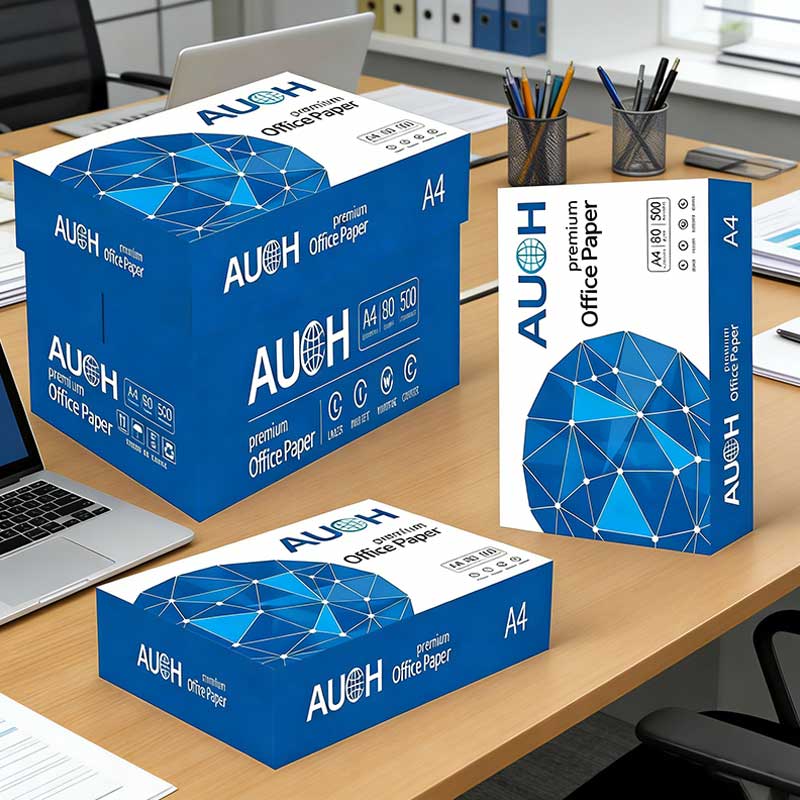
- Outer Printed Layer – Color-printed, scratch-resistant, and visually appealing for branding
- Corrugated Middle Layer – Supports stacking weight, absorbs impact, and prevents collapse; flute type varies with load requirements
- Inner Smooth Layer – Dust-free kraft paper lining keeps sheets clean and reduces friction
Selecting materials tailored to paper size, weight, and distribution conditions ensures packaging performs reliably across the supply chain.
Additional Design Features
Moisture Protection
Moisture exposure can compromise paper flatness, curling, and print quality. Packaging solutions must include moisture barriers or coatings, particularly for bulk shipments, long-distance transport, or humid climates.
Stackability and Load Support
Large-format papers, like A3 or tabloid, are more prone to bending and deformation. Reinforced corrugated structures or double-wall cartons prevent damage during stacking, palletizing, and warehouse storage.
Branding and Professional Presentation
Private-label and OEM products rely on packaging for brand expression. High-quality printing, consistent color, and logo placement reinforce professionalism and trust. Packaging is often the first touchpoint for customers, making visual consistency critical.
Ease of Handling
Cartons should be designed for practical warehouse operations. Features like handles, reinforced corners, and uniform box sizes facilitate stacking, palletizing, and inventory management. Well-designed packaging improves efficiency and reduces labor-related errors.
Case Study: Optimizing Copy Paper Packaging Solutions
A distributor managing multiple paper sizes had high damage rates in international shipments. Smaller and larger formats were shipped in generic cartons, resulting in 5–7% of paper reams arriving damaged. After switching to tailored copy paper packaging solutions:
- Damage rates dropped below 1%
- Shipping costs were reduced due to optimized pallet use
- Brand perception improved with consistent, high-quality packaging
- Warehouse handling became more efficient, reducing labor time and error rates
This demonstrates the tangible ROI of selecting the right copy paper packaging solution for each format.
Benefits of a Custom Copy Paper Packaging Solution
Custom-designed packaging aligned with paper size and weight delivers:
- Reduced damage and loss during storage and transit
- Better logistics efficiency and pallet utilization
- Cohesive brand presentation across product lines
- Improved warehouse handling and inventory accuracy
- Enhanced customer satisfaction and repeat orders
Generic cartons increase operational risk, while a tailored copy paper packaging solution ensures product integrity and brand credibility.
FAQ
1. How do I choose the right copy paper packaging solution?
Evaluate paper size, weight, stacking load, and distribution distance. Use reinforced cartons for large or heavy paper and compact boxes for smaller formats.
2. Can packaging affect copy paper quality?
Yes. Poorly designed cartons can lead to edge bending, surface damage, and moisture-related curling, affecting print performance.
3. What materials are ideal for copy paper packaging solutions?
A combination of color-printed outer layer, corrugated middle layer, and smooth inner kraft lining provides protection, dust-free handling, and branding opportunities.
4. Is custom packaging necessary for private-label copy paper?
Yes. Customized packaging protects the product, ensures consistent brand presentation, and supports customer confidence.
5. How does a good packaging solution improve logistics efficiency?
Properly sized and reinforced cartons optimize pallet stacking, reduce wasted space, lower shipping costs, and simplify warehouse operations.