
Table of Contents
Introduction
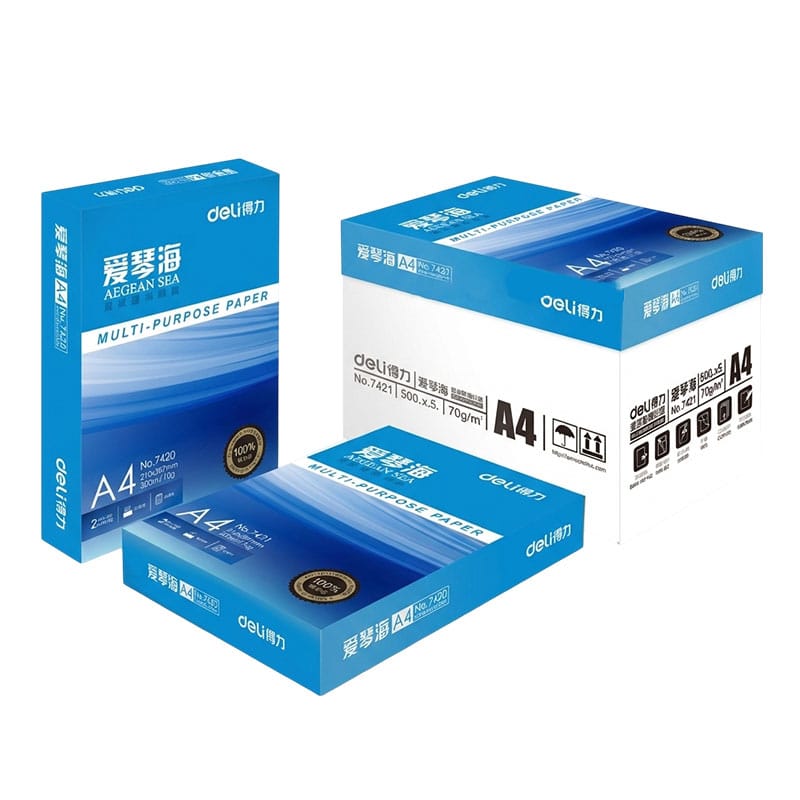
When it comes to paper products, most people focus on the quality of the paper itself—its weight, texture, and printability. However, the importance of packaging cannot be overlooked. Packaging plays a critical role in protecting paper during storage, transportation, and distribution, ensuring it arrives in pristine condition. This is particularly important for products like print out paper, which is used for high-volume printing in offices, businesses, and commercial operations.
The type of packaging used for printing paper differs significantly from that used for standard paper. Understanding these differences will help wholesalers, distributors, and manufacturers select the right packaging solutions for their products. In this blog, we’ll compare print out paper packaging with standard paper packaging, highlighting key differences, benefits, and the best practices for selecting the right packaging solution.
What is Print Out Paper Packaging?
Printing paper packaging refers to the protective packaging used specifically for paper that is intended for printing purposes—typically paper with higher weights or special finishes. This packaging is designed to preserve the integrity of the paper through handling and transport while preventing issues like moisture absorption, contamination, or physical damage.
Key features of printing paper packaging include:
- Ream wrapping: A protective layer, often made from moisture-resistant plastic films such as BOPP or PE, that wraps around a bundle of paper (usually 500 sheets).
- Carton boxes: Printed or plain cartons that house the reams of paper and protect them from external pressures.
- Pallet packaging: Larger quantities of paper packaged on pallets, typically wrapped in stretch film for bulk shipments.
These packaging solutions help prevent printing paper from becoming curled, bent, or damaged, ensuring that the paper is ready for use as soon as it reaches its destination.
What is Standard Paper Packaging?
In contrast, standard paper packaging is typically used for everyday office paper or other low-weight paper products. The packaging for standard paper is designed to be cost-effective while still providing basic protection from dust, moisture, and physical damage.
Features of standard paper packaging include:
- Basic ream wrapping: Similar to printing paper packaging, reams of standard paper are often wrapped in plastic, but the materials used are usually less robust and don’t provide the same level of moisture resistance.
- Lightweight carton boxes: Standard paper often comes in simple, lightweight cartons that do not require the same strength or reinforcement as those used for print out paper.
- Stacking without pallets: For standard paper, pallets are often unnecessary, as the product is typically sold in smaller quantities and is less sensitive to handling.
While standard paper packaging still offers basic protection, it does not prioritize the long-term stability or transport safety that printing paper packaging does.
Key Differences Between Print Out Paper Packaging and Standard Paper Packaging
| Feature | Print Out Paper Packaging | Standard Paper Packaging |
|---|---|---|
| Material | Moisture-resistant films (BOPP, PE) | Basic plastic film wrapping |
| Carton Strength | Reinforced corrugated board | Lightweight corrugated board |
| Protection Level | High: Moisture, dust, physical damage | Moderate: Basic dust and handling protection |
| Packaging Formats | Ream wrap, bulk cartons, palletized | Ream wrap, standard cartons |
| Typical Use | High-quality, professional printing paper | Everyday office paper, basic use |
The most notable difference between the two is the level of protection provided by the packaging. Printing paper packaging offers enhanced moisture protection and durability, which is essential for paper that will be used in high-stakes printing applications. Standard paper packaging, while adequate for typical office use, doesn’t provide the same level of defense against environmental damage or physical wear.
The Role of Packaging in Print Out Paper Quality and Durability
The quality and durability of print out paper depend significantly on the packaging used. In the printing industry, paper is highly sensitive to environmental factors such as humidity, temperature changes, and handling. Improper packaging can lead to curling, wrinkling, and ink absorption issues that impact the printing process.
Print out paper packaging helps prevent these issues by:
- Maintaining moisture levels: Moisture-resistant materials ensure that the paper remains dry during transport and storage, reducing the risk of warping and curling.
- Minimizing contamination: Proper packaging shields the paper from dirt, dust, and other contaminants that can affect print quality.
- Preventing physical damage: Stronger cartons and reinforced edges ensure the paper remains intact and in pristine condition during handling.
In contrast, standard paper packaging offers basic protection but may not be sufficient to protect print out paper during long shipments or in high-humidity environments.
Packaging Solutions for Export and Logistics
When shipping print out paper internationally, the packaging must be able to withstand various challenges such as long transport times, different climates, and multiple handling stages. Here’s how print out paper packaging ensures better performance in export logistics:
- Durable and moisture-proof: Enhanced materials prevent damage from humid conditions during long shipments.
- Stackability: Palletized packaging optimizes container space, improving logistics efficiency.
- Protection during handling: Strong cartons and film wrapping reduce the risk of damage during loading and unloading.
For standard paper packaging, while it works for domestic or short-distance shipments, it may not provide adequate protection for print out paper during long international transport cycles.
When to Choose Print Out Paper Packaging
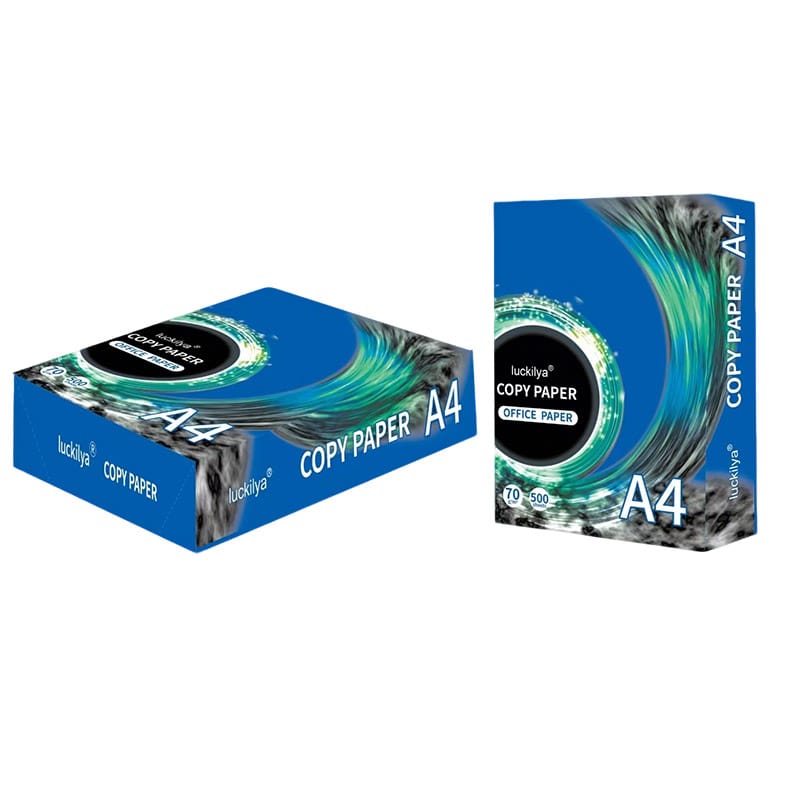
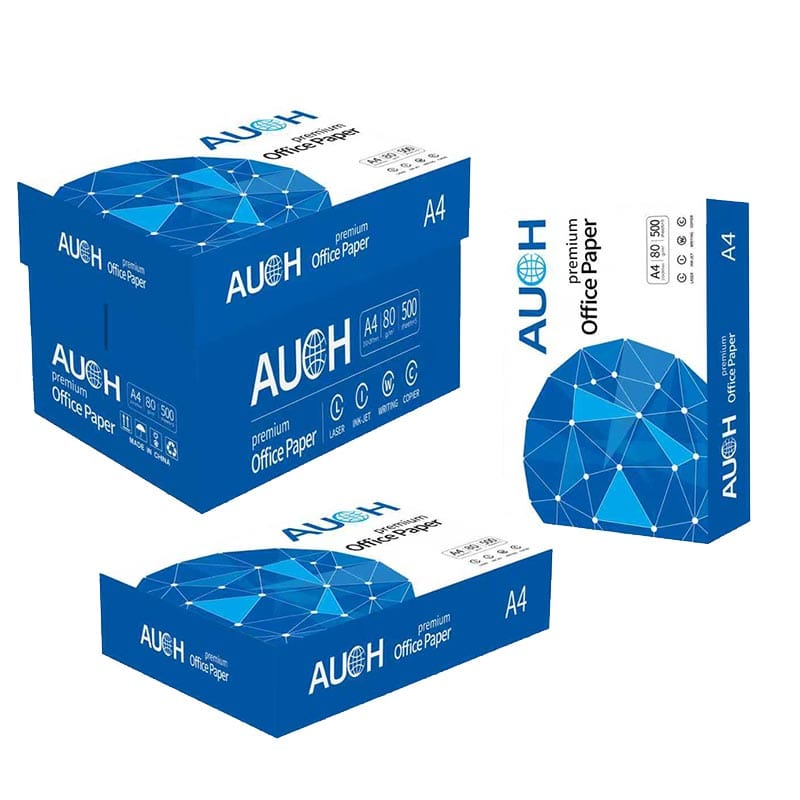
Choosing the right packaging solution depends on the specific needs of your business and customers. If you’re dealing with high-quality print out paper intended for professional printing applications, the packaging should reflect the premium nature of the product. Opt for packaging that offers enhanced protection, ensuring that the paper arrives in perfect condition, ready for immediate use.
Here’s when print out paper packaging is essential:
- For professional print jobs where paper quality directly impacts output
- For bulk exports requiring additional moisture and dust protection
- For high-value products where customer satisfaction is paramount
Conclusion
In the competitive world of paper products, packaging plays a crucial role in determining the quality and usability of print out paper. While standard paper packaging may suffice for regular office use, print out paper packaging is designed to provide superior protection for high-quality paper, ensuring that it remains in optimal condition throughout its journey from factory to end user.
By investing in the right packaging solution, paper mills and traders can ensure that their products maintain performance and quality standards. Whether you are managing local distribution or handling international exports, selecting the right packaging is essential for meeting customer expectations and maintaining a successful paper supply chain.
FAQ
What is print out paper packaging?
Print out paper packaging refers to the protective wrapping and carton systems designed to shield print-ready paper from damage during storage, transport, and distribution. It includes ream wraps, corrugated cartons, and sometimes palletizing to prevent physical damage and moisture exposure.
Why is packaging important for print out paper?
Packaging is crucial to ensure the quality of print out paper by preventing moisture, dust, and physical damage. Proper packaging keeps the paper flat, clean, and ready for use, maintaining its performance and preventing issues like curling, deformation, or contamination during transit.
What materials are used for print out paper packaging?
Print out paper packaging typically uses moisture-resistant plastic films (like BOPP or PE) for inner wrapping, and strong, corrugated cardboard for outer cartons. These materials provide a barrier against moisture, dust, and physical damage, ensuring the paper remains in perfect condition.
How is print out paper packaged for export?
For export, print out paper is sealed in moisture-resistant ream wraps, placed into reinforced corrugated cartons, and palletized for added stability. This ensures the paper is protected from environmental factors during long-distance transportation, preventing damage during shipment.
Can print out paper packaging be customized for branding?
Yes, print out paper packaging can be customized with logo printing, color design, and specific packaging dimensions. Custom branding on cartons and ream wraps helps enhance product visibility and brand recognition in the market, especially for wholesale and retail distribution.
Need Help Choosing the Right Print Out Paper Packaging Solution?
If you’re unsure which packaging system is best for your print out paper products, our experts are here to help. Contact us today for a personalized consultation and get durable, moisture-resistant, and cost-effective packaging tailored to your supply chain needs. Don’t risk product damage or quality loss—get in touch now to protect your paper quality and optimize your distribution performance!