
Table of Contents
Introduction
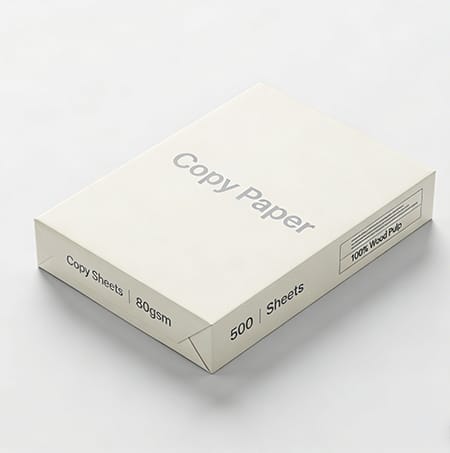
Printing paper is a fundamental material in every printing process, from office documentation to commercial publishing and packaging. Its role goes beyond being a simple carrier for ink; it directly influences clarity, color reproduction, durability, and the overall perception of printed output.
In real-world production environments, printing paper quality can determine whether a brochure looks premium or ordinary, whether a catalog feels professional or low-cost. Based on industry printing research, paper surface characteristics such as smoothness and brightness can significantly impact ink reflection and color accuracy, especially in high-resolution printing.
The key performance indicators of printing paper typically include brightness, opacity, thickness, and surface smoothness. These parameters affect how ink sits on the surface and how the final print is perceived by the human eye.
Main Types of Print Paper You Should Know
Different printing requirements demand different paper structures and finishes. Understanding the main categories helps reduce waste and improves printing efficiency.
Coated print paper has a surface layer that improves ink holdout and enhances color sharpness. It is commonly used for high-impact visuals such as marketing materials and product catalogs. It is available in gloss, matte, and silk finishes.
Uncoated printing paper has a natural porous surface, making it more suitable for writing and general document printing. It offers better readability for text-heavy content and is widely used in office environments.
Recycled printing paper is produced using recovered fiber materials. While it may have slightly lower brightness compared to virgin fiber paper, it provides strong environmental advantages and is suitable for everyday printing tasks.
Specialty printing paper includes textured, heavyweight, or coated variants designed for packaging, branding, or premium visual presentation.
Understanding GSM and Paper Thickness for Printing Needs
GSM (grams per square meter) is one of the most important technical specifications in printing paper selection. It indicates paper weight and indirectly reflects thickness and durability.
Industry standards commonly follow these usage patterns:
| Application Type | Recommended GSM Range | Performance Characteristics |
|---|---|---|
| Office documents | 70–100 GSM | Lightweight, cost-efficient, easy handling |
| Flyers & brochures | 120–170 GSM | Balanced rigidity and print quality |
| Posters & catalogs | 170–250 GSM | High durability and premium feel |
| Packaging material | 250 GSM and above | Structural strength and branding support |
Selecting the correct GSM helps avoid issues such as ink bleed-through, curling, or mechanical feeding problems in printers.
Print Paper for Different Printer Types
Printer technology plays a key role in determining compatible printing paper.
Inkjet printers require paper that can absorb liquid ink efficiently without smearing. Coated or inkjet-specific printing paper is often used to achieve sharp image reproduction.
Laser printers use heat-based toner bonding, which requires smoother surfaces to ensure proper adhesion. Slightly heavier uncoated or laser-optimized print paper works best in this case.
Using incompatible paper types can result in reduced print quality, toner flaking, or paper jams, which increases operational costs over time.
Choosing Print Paper for Office and Business Documents
For everyday business operations, printing paper selection should prioritize efficiency, consistency, and cost control.
Standard A4 printing paper remains the most widely used format for reports, contracts, and internal communication. Most offices rely on 80 GSM paper due to its balance between affordability and performance.
When purchasing in bulk, consistency in brightness and thickness is important to maintain uniform document appearance across departments. A stable supply chain also reduces operational disruptions caused by paper variation.
Best Print Paper for Marketing and Advertising Materials
Marketing materials require printing paper that enhances visual impact and brand perception.
Flyers and brochures often use coated paper to improve color vibrancy and image sharpness. Glossy finishes are suitable for high-impact visuals, while matte finishes provide a more professional and understated look.
Catalogs and product booklets typically require higher GSM paper to improve durability and perceived value. The tactile experience of holding thicker paper often influences customer perception of product quality.
The choice between matte and glossy finish should align with branding strategy rather than personal preference alone.
Print Paper Selection for Packaging and Labeling Applications
Packaging applications demand printing paper with structural strength and surface stability.
High GSM paper is commonly used in folding cartons, product sleeves, and retail packaging. It ensures that printed graphics remain intact during handling and transportation.
Label applications require strong ink adhesion and resistance to environmental conditions such as moisture and friction. In many industrial use cases, coated specialty paper is preferred to maintain long-term print durability.
Packaging-grade print paper also plays a role in brand communication, as it often represents the first physical interaction between a product and its customer.
Environmental Considerations in Print Paper Selection
Sustainability has become an important factor in modern printing decisions.
Recycled print paper helps reduce reliance on virgin fiber sources and supports waste reduction initiatives. According to environmental industry reports, recycled paper production generally consumes less water and energy compared to traditional paper manufacturing processes.
However, recycled paper may have slightly lower brightness levels, which should be considered when high visual precision is required.
Eco-conscious printing strategies often balance performance requirements with environmental impact, selecting paper types based on application sensitivity.
Common Mistakes When Choosing Print Paper
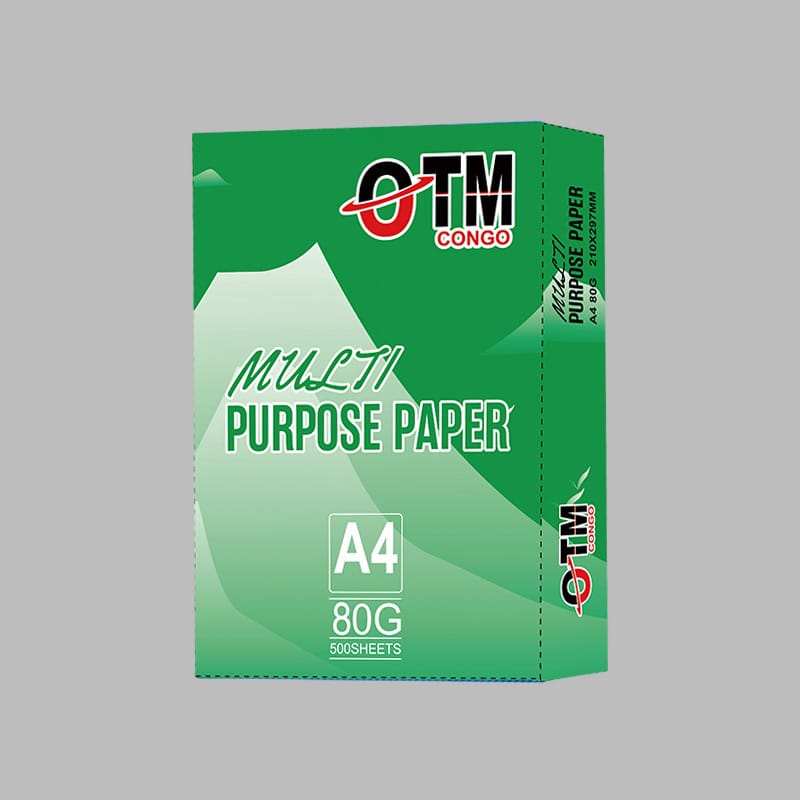
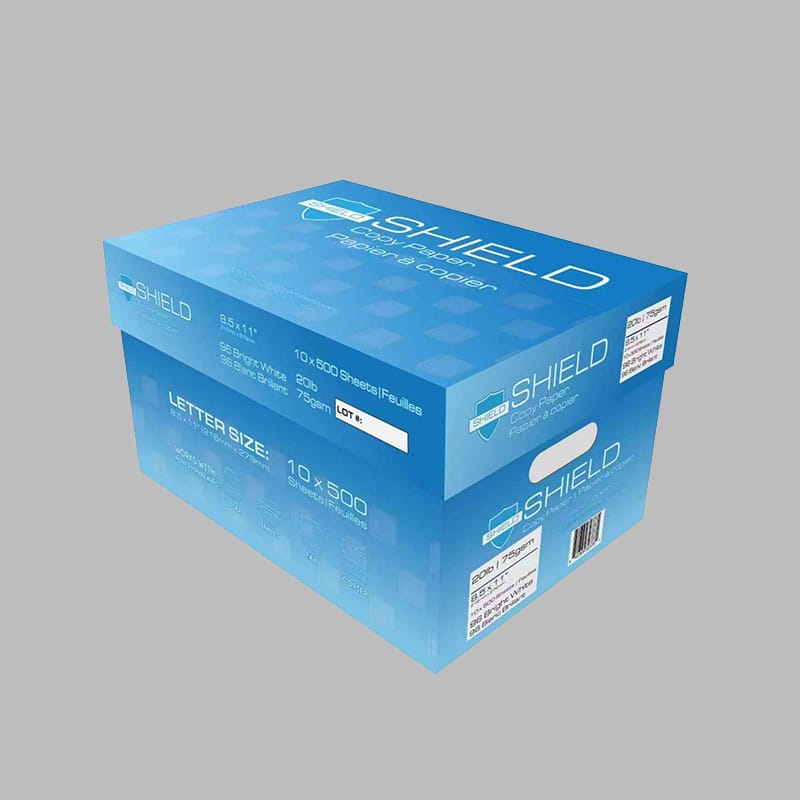
Many printing inefficiencies come from incorrect paper selection rather than equipment failure.
One common issue is ignoring printer compatibility, which leads to poor print output or mechanical jams. Another frequent mistake is selecting paper based solely on price without considering GSM or coating type.
Overlooking surface finish can also affect readability and visual quality, especially in marketing materials. For example, using uncoated paper for high-resolution imagery often results in dull output.
A structured selection process reduces waste and improves long-term printing efficiency.
Conclusion
Selecting the right print paper is ultimately about aligning material properties with intended application.
For internal documentation, lightweight uncoated paper provides efficiency and cost control. For marketing and branding, coated higher-GSM paper enhances visual impact and professionalism. For packaging applications, durability and structural integrity become the primary focus.
FAQ
What is print paper used for?
Print paper is used for printing documents, marketing materials, packaging, books, and various commercial or office applications where text and images need to be reproduced clearly.
What GSM is best for print paper?
Standard office print paper is usually 70–100 GSM, while 120–170 GSM is commonly used for brochures and flyers. Higher GSM is preferred for premium packaging and catalogs.
What is the difference between coated and uncoated print paper?
Coated print paper has a smooth surface for sharper images and vibrant colors, while uncoated paper has a natural texture that is better for writing and general document use.
Which print paper is best for printers?
Inkjet printers work best with absorbent inkjet-compatible paper, while laser printers perform better with smoother, heat-resistant print paper designed for toner bonding.
Is recycled print paper good for printing?
Yes, recycled print paper is suitable for most printing needs and is more environmentally friendly, though it may have slightly lower brightness and smoothness compared to virgin paper.
Need Help Choosing the Right Print Paper?
If you’re unsure which print paper is best for your printing needs—whether for office documents, commercial printing, packaging, or marketing materials—our team is here to help. Contact us today for expert guidance and tailored recommendations, and ensure your printing quality is consistent, professional, and cost-effective. Don’t compromise on print performance—get in touch now to choose the right solution for your business!