
Table of Contents
500 sheet ream wrapper should be specified against the intended paper product, packing operation and distribution route. A 500-sheet wrapper must fit the actual 500-sheet stack after the paper has been produced and handled under the intended conditions. Sheet count does not determine stack height on its own. Paper caliper, compression and folds affect the finished geometry, so wrapper dimensions should be approved against production-representative reams.
Define the scope of 500 sheet ream wrapper
Keep paper size, basis weight and measured stack height as separate inputs. Two paper grades with the same basis weight may not produce identical stack thickness. Also identify the wrapping sequence and seam location, because these determine where additional material is needed for folds and overlap.
How to evaluate 500 sheet ream wrapper
Measure several normal stacks and record the range without forcing them into an artificial compression state. Apply the proposed wrapper and inspect corners, end folds, seam engagement and printed-panel alignment. Check the largest and smallest relevant stack conditions. The wrapper should not depend on unusually tight manual folding to look acceptable.
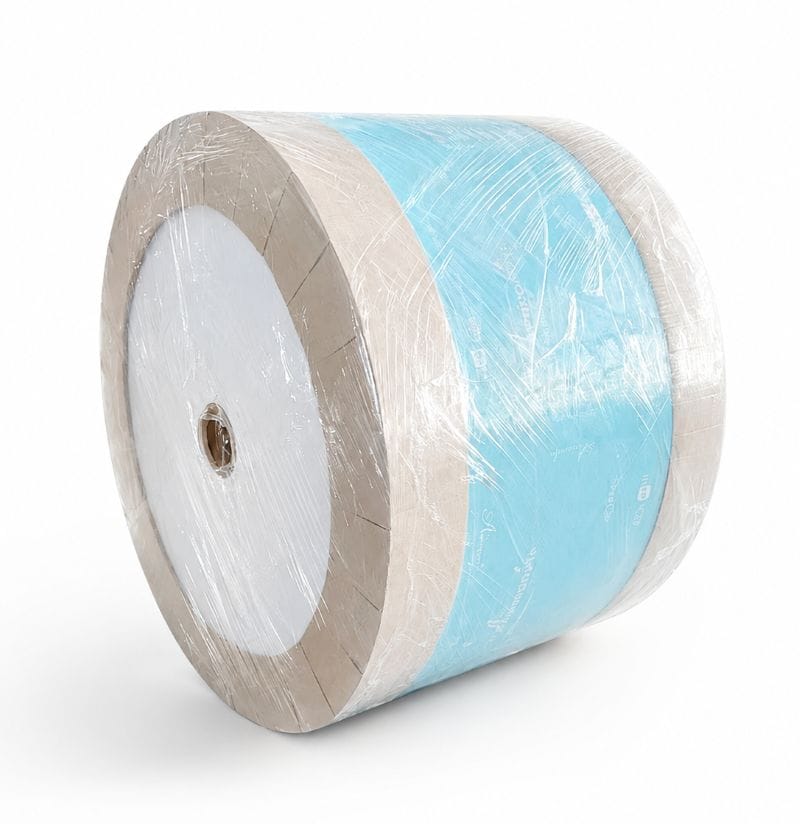
Compare the purchasing options and evidence
The following comparison turns 500 sheet ream wrapper into a specific purchasing conversation. The right-hand evidence column identifies what the buyer should request before accepting the proposed approach. It is a decision aid, not a universal specification or a supplier performance claim.
| Review item | Incomplete approach | Preferred approval basis | Evidence to retain |
|---|---|---|---|
| Geometry | Sheet count alone | Actual stack envelope | Measured production reams |
| Material | Basis weight used as thickness | Caliper and stack height measured | Paper specification |
| Fit | One carefully hand-wrapped pack | Representative boundary packs | Finished-wrap trial |
Work through a practical example
An A4 500-sheet pack at a nominal 80 g/m² contains about 2.4948 kg of paper, calculated from sheet area and count. That mass calculation cannot supply the stack height. The buyer still needs measured caliper or stack geometry to size the wrapper and set the folding arrangement.
Review copy paper wrapper GSM alongside 500 sheet ream wrapper
The decision about 500 sheet ream wrapper also interacts with copy paper wrapper GSM. Review this connection where it affects the proposed material, production process or delivery configuration.
Keep paper basis weight, film thickness and the identity of other functional layers separate. Total mass affects roll weight and consumption calculations, while each layer can influence folding, stiffness, print and closure behavior. A heavier wrapper is not automatically a better moisture barrier or a better fit for the machine.
Request the supplier's measurement basis and agreed tolerances. Compare representative material under consistent conditioning and confirm the final construction on the order. If a candidate changes the paper component, inspect fold behavior and print along with the measured mass. A mass-per-area result alone cannot establish all functional properties.
Review ream wrapper fold allowance alongside 500 sheet ream wrapper
The decision about 500 sheet ream wrapper also interacts with ream wrapper fold allowance. Review this connection where it affects the proposed material, production process or delivery configuration.
Identify each panel, fold and seam in a dimensioned layout. State which allowances are per side and which are totals. Include the actual wrapped-stack dimensions and the construction's folding behavior. A thicker or stiffer material may need a revised geometry even when the paper format remains unchanged.
Make a full-size trial around representative stacks and examine the fold sequence at the machine. Record whether the material lies flat, whether corners are fully covered and whether printed features stay on the intended face. Check boundary stack heights rather than approving only the easiest pack to wrap.
Approve 500 sheet ream wrapper and control changes
Approve the wrapper against a defined paper grade and stack range. Recheck after changes in paper supply, sheet count or wrapping process. If the same graphic will cover several paper grades, confirm the physical fit for each rather than treating the shared 500-sheet statement as evidence of identical packaging needs.
Organize receiving inspection around the approved evidence for 500 sheet ream wrapper
A receiving check for 500 sheet ream wrapper begins before the package is opened. Record item identity, quantity basis, visible protection and the position of any damage. Keep labels connected to the goods they identify. If several revisions or delivery lots arrive together, separate them in the record so a defect can be traced to the correct source.
For 500 sheet ream wrapper, choose inspection locations that answer the likely receiving risks. Include material from exposed positions and from within the delivery, using the agreed sampling plan. Do not let the most convenient top sample represent every bundle or roll. Preserve the distinction between a delivery-condition observation and a measured characteristic of the packaging itself.
Compare the delivered 500 sheet ream wrapper evidence with the approved reference using the same units and method. If the two sides disagree, first reconcile how each result was obtained. A change in measurement position, conditioning or interpretation can create an apparent nonconformance. Correcting the method avoids unnecessary material changes while keeping a real defect visible.
Where 500 sheet ream wrapper requires a functional check, observe a representative first run before the delivery is consumed widely. Record acceptable output and describe any failure by location and stage. Keep a known-good reference available if one exists. The trial should answer a specific receiving question, not become an uncontrolled attempt to adjust the process until every sample appears usable.
If the 500 sheet ream wrapper check finds a discrepancy, identify the affected quantity and keep it separate while the buyer and supplier agree a disposition. State what is known and what still needs investigation. A conditional acceptance should name the permitted use and limits, and it should not erase the original result from the receiving history.
Feed the receiving results back into the 500 sheet ream wrapper specification. Repeated observations may reveal an unclear acceptance rule or a characteristic that needs better control. Update the approved documents through a deliberate revision, then communicate the change to ordering and production staff. This is more reliable than allowing each delivery to establish a slightly different unwritten standard.
Prepare a clear request for quotation
To discuss 500 sheet ream wrapper with Huasheng, provide the paper format, wrapped ream dimensions, intended quantity and the requirements highlighted above. Include the approved artwork if printing is involved, plus photographs or drawings that show the current packaging. Request confirmation of the proposed construction and sampling steps before production.
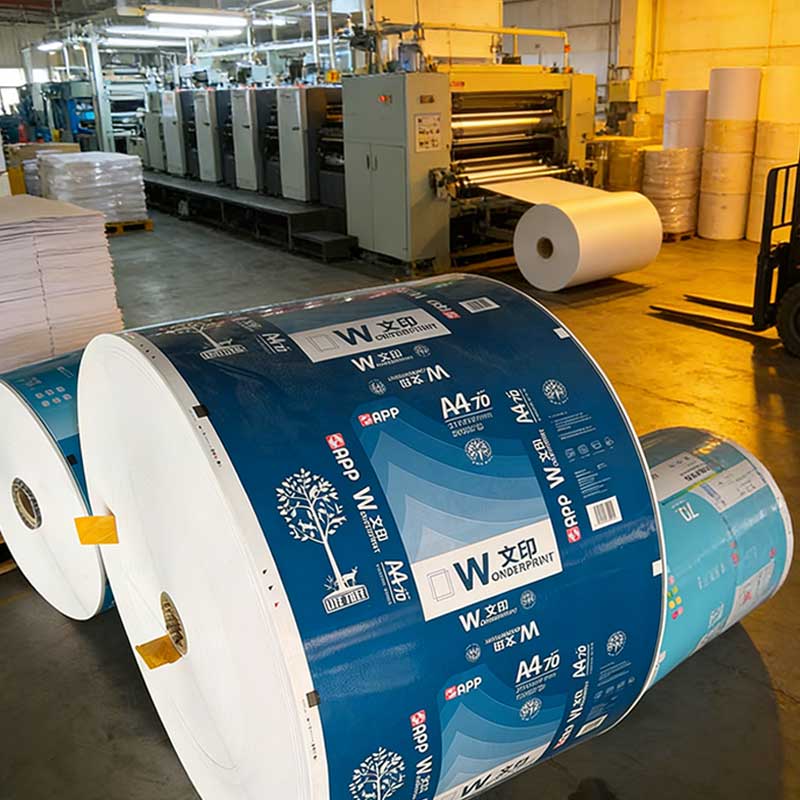
Review the relevant Printed Packaging Roll for Copy Paper Reams and custom packaging services when preparing the brief. A product photograph illustrates the packaging family; it does not establish a tested strength, exact size or machine setting for your order.
For additional context while evaluating 500 sheet ream wrapper, see Ream Wrapper Winding Direction: How to Approve a Printed Roll; Copy Paper Wrapper Seal Failure: A Buyer’s Troubleshooting Guide. Technical reference: ISTA guidance on retesting after changes. Ask the responsible specialist which method applies to the actual package and use case.
Send your 500 sheet ream wrapper requirements through the inquiry form below. State the items that are already approved and the decisions that still need a sample or technical review. A defined brief makes the supplier’s proposal easier to compare and helps the next production run follow the same accepted requirements.
Frequently asked questions
What should buyers confirm first about 500 sheet ream wrapper?
A 500-sheet wrapper must fit the actual 500-sheet stack after the paper has been produced and handled under the intended conditions. Sheet count does not determine stack height on its own. Begin with the actual product and process so the supplier can review a defined requirement.
What evidence is needed to approve 500 sheet ream wrapper?
Measure several normal stacks and record the range without forcing them into an artificial compression state. Apply the proposed wrapper and inspect corners, end folds, seam engagement and printed-panel alignment. Keep the evidence linked to the 500 sheet ream wrapper specification and the sample used.
Can a photograph or a nominal specification replace a physical sample?
For 500 sheet ream wrapper, a photograph or nominal value documents only part of the requirement. Keep paper size, basis weight and measured stack height as separate inputs. Two paper grades with the same basis weight may not produce identical stack thickness. Use the relevant measurements and functional checks before approval.
Which common purchasing mistake should be avoided?
When reviewing 500 sheet ream wrapper, avoid treating “sheet count alone” as complete evidence. Prefer “actual stack envelope” and retain the measured production reams. Approve the wrapper against a defined paper grade and stack range.
What should be reconfirmed on a repeat order?
Reconfirm the approved 500 sheet ream wrapper specification, sample reference and any changes to material, geometry or operating conditions. Approve the wrapper against a defined paper grade and stack range. Recheck after changes in paper supply, sheet count or wrapping process.