
Table of Contents
Introduction
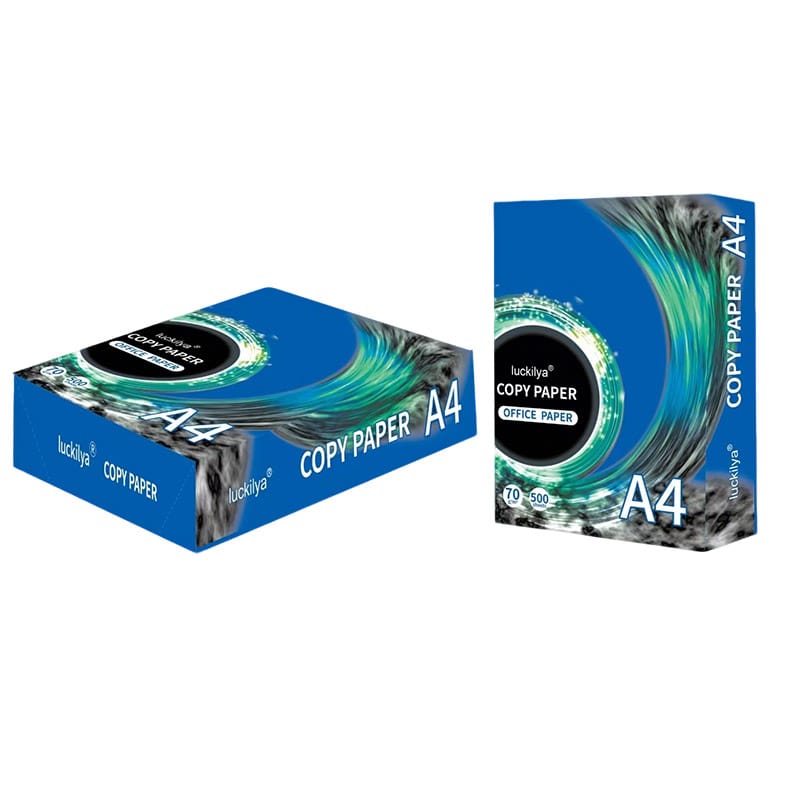
Choosing the right packaging for standard copy paper is not just a production decision. It directly affects product quality, logistics efficiency, brand perception, and customer satisfaction. In global paper supply chains, packaging has become a strategic factor rather than a simple protective layer.
This guide provides a practical, industry-oriented breakdown of how to select the most suitable packaging for standard copy paper based on material performance, business scale, export requirements, and sustainability trends.
What Is Standard Copy Paper Packaging and Why It Matters
Standard copy paper packaging refers to the protective wrapping and outer containment system used for reams and cartons of copy paper. Its primary role is to maintain paper integrity from production to end use.
In industrial handling environments, paper is highly sensitive to moisture, pressure, and temperature changes. According to packaging industry studies published by global material handling associations, paper products can lose up to 15–25% of usability performance when exposed to uncontrolled humidity during transit. This makes packaging a critical quality safeguard.
Packaging is not only functional but also commercial. It influences how efficiently products move through warehouses, how well they survive long-distance transport, and how customers perceive product reliability.
Key Types of Standard Copy Paper Packaging Materials
Different packaging materials serve different operational needs. The selection usually depends on cost, protection level, and target market requirements.
| Packaging Type | Main Function | Advantages | Limitations |
|---|---|---|---|
| Kraft Paper Wrapping | Basic protection layer | Eco-friendly, cost-efficient | Limited moisture resistance |
| Plastic Film Wrapping | Moisture barrier protection | High humidity resistance | Less environmentally friendly |
| Carton Box Packaging | Structural protection | Stackable, strong logistics performance | Higher material cost |
| Laminated Composite Packaging | Industrial-grade protection | Excellent durability and sealing | More complex production process |
Each material serves a specific stage of the supply chain. For example, film wrapping is commonly used for internal ream protection, while carton packaging supports external transportation stability.
How Standard Copy Paper Packaging Affects Product Quality
Packaging plays a direct role in maintaining the physical and visual quality of standard copy paper.
Poor packaging can lead to:
- Paper curling due to humidity exposure
- Surface contamination from dust or particles
- Reduced print clarity caused by moisture absorption
- Structural deformation under stacking pressure
Industry testing data from paper quality control laboratories indicates that properly sealed packaging can reduce moisture penetration risks by more than 60% in controlled logistics environments.
In practice, this means packaging is not just protection—it is quality preservation.
Standard Copy Paper Packaging Requirements for Different Markets
Different supply chains require different packaging standards based on handling intensity and storage duration.
Common requirements include:
- Retail-level packaging: Focus on branding and unit protection
- Bulk supply packaging: Emphasis on stacking strength and cost efficiency
- Export-grade packaging: High resistance to vibration, moisture, and long transit times
- Industrial warehouse packaging: Designed for automated handling systems
Understanding your distribution environment is essential before selecting packaging materials. A mismatch often results in product loss or increased logistics costs.
How to Choose the Right Standard Copy Paper Packaging for Your Business
Selecting the right packaging is a balance between protection, cost, and operational efficiency.
Key decision factors include:
- Shipment volume: High-volume businesses require pallet-optimized packaging
- Transport distance: Longer logistics chains need stronger moisture protection
- Storage conditions: Humid environments require sealed or laminated materials
- Budget structure: Cost-effective packaging must still ensure product safety
- Brand positioning: Premium packaging improves perceived product value
A practical approach is to align packaging strength with risk exposure. The higher the environmental risk, the stronger the packaging system should be.
Custom Standard Copy Paper Packaging for Branding and OEM Needs
Packaging is increasingly used as a branding tool in the paper industry. Custom printing, labeling, and structural design help differentiate products in competitive markets.
Custom packaging solutions typically include:
- Logo-printed cartons for brand recognition
- Specification labeling for product clarity
- Color-coded packaging for product segmentation
- OEM packaging aligned with buyer requirements
From a commercial perspective, branded packaging improves shelf visibility and supports long-term customer retention. Studies in industrial branding show that consistent packaging identity can increase repeat purchase rates by improving product recognition.
Standard Copy Paper Packaging for Export and Logistics Efficiency
Efficient logistics design is essential for reducing transportation cost and minimizing product damage.
Key optimization strategies include:
- Pallet stacking design for stable load distribution
- Carton sizing optimization to maximize container space
- Reinforced edges to prevent compression damage
- Moisture-sealed wrapping for long-distance transit protection
In large-scale distribution systems, even small improvements in packaging efficiency can reduce shipping costs significantly due to better space utilization and reduced damage rates.
Sustainable Trends in Standard Copy Paper Packaging
Sustainability has become a major trend in packaging development across the paper industry.
Common eco-friendly solutions include:
- Recyclable kraft paper wrapping systems
- Biodegradable film alternatives
- Plastic-free packaging structures
- Reduced-material carton design for lower environmental impact
Market research reports in packaging innovation indicate that demand for eco-friendly paper packaging continues to grow as businesses align with environmental responsibility goals and regulatory expectations.
Sustainable packaging is no longer optional—it is becoming a standard requirement in global supply chains.
Common Mistakes in Standard Copy Paper Packaging Selection
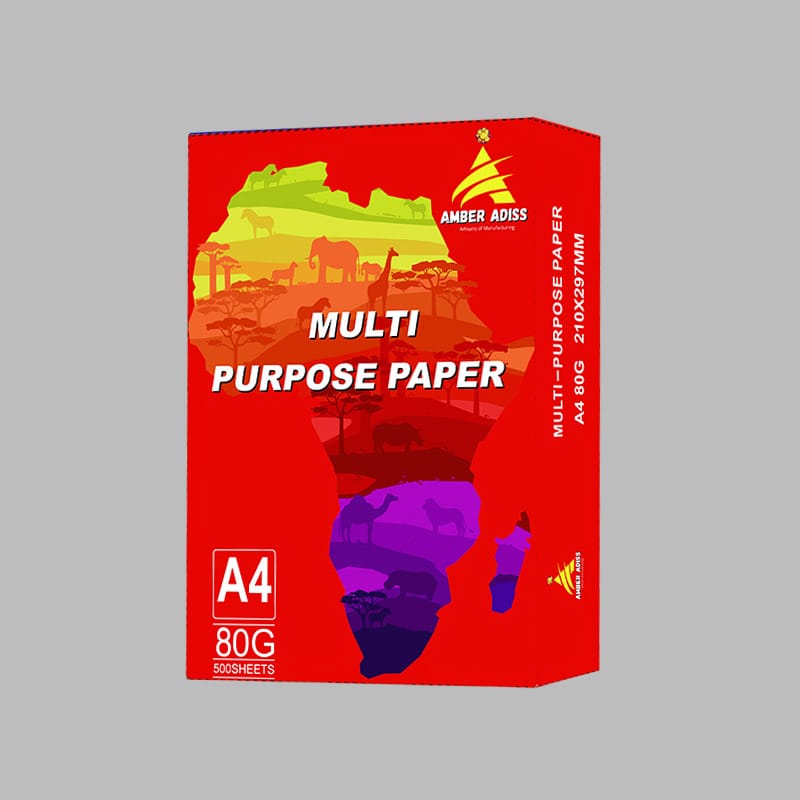
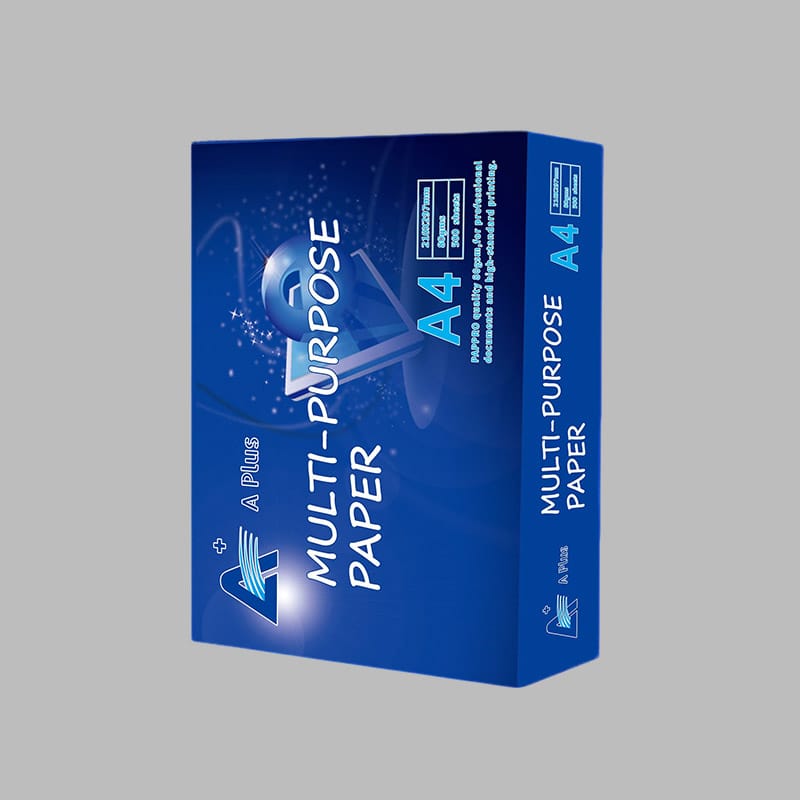
Many businesses face avoidable losses due to improper packaging decisions.
Common mistakes include:
- Choosing low-cost materials without moisture resistance
- Ignoring export handling conditions
- Using weak carton structures for heavy stacking environments
- Failing to customize packaging for different distribution channels
These mistakes often result in product deformation, higher return rates, and increased logistics expenses.
A well-designed packaging strategy minimizes risk while improving operational efficiency.
Conclusion
Selecting the right packaging for standard copy paper requires a clear understanding of product sensitivity, logistics conditions, and market expectations.
Effective packaging is not just about protection. It directly impacts product quality, brand value, and supply chain performance. Businesses that invest in optimized packaging systems typically experience lower damage rates and higher customer satisfaction.
A strategic approach combines material selection, structural design, and sustainability planning to ensure long-term competitiveness in the paper supply industry.
FAQ
What is standard copy paper packaging used for?
It is used to protect copy paper reams from moisture, dust, and physical damage during storage, handling, and transportation.
What materials are commonly used in standard copy paper packaging?
Common materials include kraft paper, plastic film, laminated wrapping, and cardboard cartons depending on protection requirements.
Why is packaging important for standard copy paper?
Proper packaging maintains paper quality by preventing moisture absorption, curling, and contamination during logistics and storage.
Can standard copy paper packaging be customized?
Yes, it can be customized with branding, logos, product specifications, and protective designs for OEM and wholesale needs.
What is the best packaging for exporting standard copy paper?
Export-grade packaging usually combines moisture-proof film and strong cartons to ensure stability during long-distance shipping.
Need Help Choosing the Right Standard Copy Paper Packaging?
If you’re unsure which packaging solution is best for your standard copy paper products, storage conditions, or export requirements, our packaging experts are here to help. Contact us today for a tailored consultation and ensure your paper products are well-protected, moisture-resistant, and ready for global shipping. Don’t compromise on quality—get in touch now to optimize your packaging and protect your business value!