
Table of Contents
Introduction
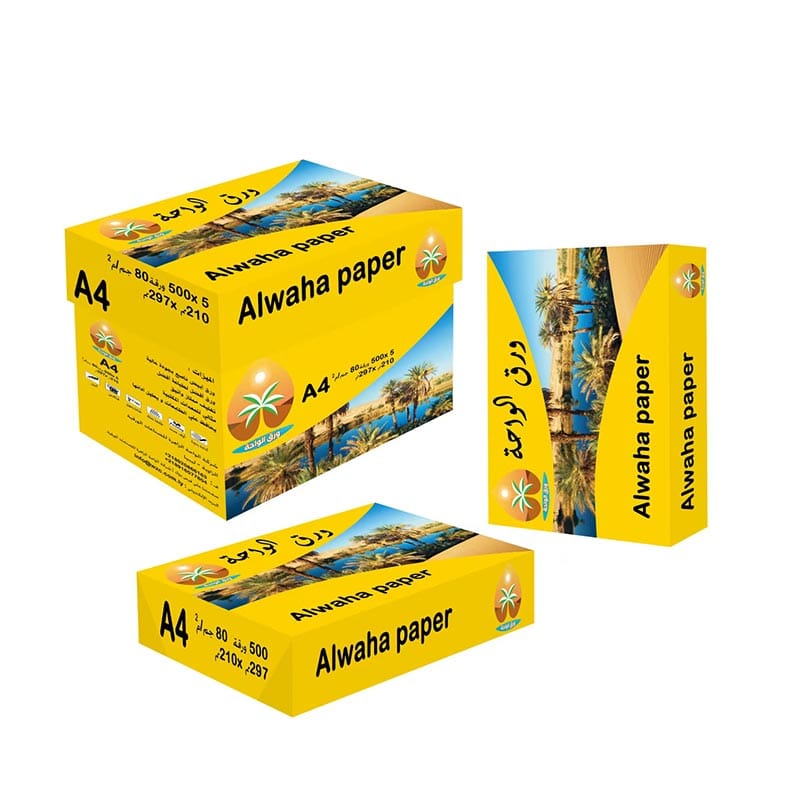
In the global office supply chain, A4 printing paper is one of the most widely distributed consumable products. While most buyers focus on brightness, smoothness, or weight of the paper itself, packaging is often underestimated. In reality, packaging is not just an outer layer—it is a critical system that directly influences product quality, usability, and shelf life.
From factory output to warehouse storage and final delivery, A4 copy paper packaging determines whether the product arrives in perfect condition or suffers from moisture damage, deformation, or contamination. For manufacturers, wholesalers, and distributors, understanding packaging performance is essential to maintaining product value and customer satisfaction.
What Is A4 Copy Paper Packaging?
A4 printing paper packaging refers to the protective system used to wrap, bundle, and secure A4 paper during production, storage, and transportation. It typically includes two layers: inner ream wrapping and outer carton packaging.
The ream wrap usually contains 500 sheets per unit, sealed with moisture-resistant film. Multiple reams are then packed into reinforced cartons for bulk handling and shipping.
Common packaging structures include:
- 500 sheets per ream (standard retail unit)
- 5 reams per carton (wholesale distribution)
- 10 reams per carton (bulk export supply)
Each structure is designed to balance handling efficiency, protection, and storage density.
How A4 Copy Paper Packaging Protects Product Quality
Packaging plays a direct role in maintaining the physical and visual quality of A4 printing paper. Without proper protection, even high-grade paper can degrade quickly in real-world storage conditions.
Key protection functions include:
- Moisture resistance: Prevents humidity absorption that causes paper curling and jamming
- Dust isolation: Keeps sheets clean and suitable for printing use
- Shape stability: Prevents bending or deformation during stacking and transport
- Surface protection: Maintains smoothness and brightness integrity
According to industry packaging performance studies, paper exposed to uncontrolled humidity can lose up to 15–25% of its usability performance due to curling and feed issues in printers.
The Impact of Packaging on Shelf Life of A4 Copy Paper
Shelf life in A4 printing paper does not refer to chemical expiration but functional usability. Proper packaging ensures that paper remains stable and usable over long storage periods.
High-quality A4 copy paper packaging acts as a barrier against environmental changes such as humidity fluctuations and airborne particles. In controlled warehouse conditions, well-packaged paper can maintain stable performance for extended periods, while poorly packaged products degrade much faster.
Packaging consistency also reduces batch variability, ensuring every ream performs the same even after long storage cycles.
Materials Used in A4 Copy Paper Packaging
| Packaging Layer | Material Type | Function | Performance Benefit |
|---|---|---|---|
| Inner Wrap | BOPP / PE film | Moisture and dust barrier | Prevents humidity absorption |
| Outer Carton | Corrugated cardboard | Structural protection | Prevents crushing and deformation |
| Reinforcement | Laminated coating | Water resistance | Enhances durability in transit |
| Pallet Layer | Stretch film | Load stabilization | Improves stacking safety |
Modern packaging systems often combine multiple materials to create a multi-layer protection strategy that improves both durability and transport efficiency.
Standard Packaging Formats in the Industry
A4 copy paper packaging follows standardized formats to ensure compatibility across global supply chains. These formats are designed to simplify handling, reduce logistics cost, and maintain product consistency.
The most widely used structure is the 500-sheet ream, which is wrapped tightly to prevent air exposure. Multiple reams are grouped into cartons that are optimized for pallet stacking.
Retail packaging typically prioritizes presentation and ease of access, while wholesale and export packaging focuses more on durability and space optimization.
A4 Copy Paper Packaging in Export and Logistics
In international supply chains, packaging becomes even more critical. Long-distance transportation exposes A4 copy paper to varying temperature and humidity conditions, making protection essential.
Effective packaging for export includes:
- Strong carton compression resistance for container stacking
- Moisture-proof wrapping to prevent climate damage
- Stable pallet design for efficient loading
- Secure sealing to prevent contamination during transit
Proper A4 copy paper packaging significantly reduces damage rates and ensures that the product maintains consistent performance upon arrival.
Common Packaging Problems and Their Impact
Poor packaging design or material selection can directly affect product performance and increase operational costs.
Common issues include:
- Moisture penetration causing paper waves and curling
- Weak cartons collapsing during stacking
- Poor sealing leading to contamination
- Inconsistent packaging weight affecting logistics planning
These issues not only reduce product quality but also increase return rates and customer dissatisfaction in B2B distribution channels.
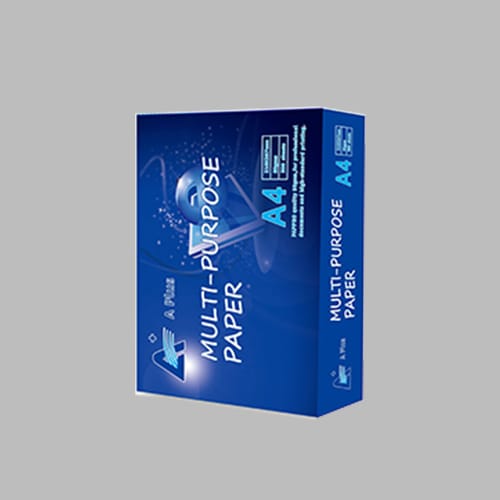
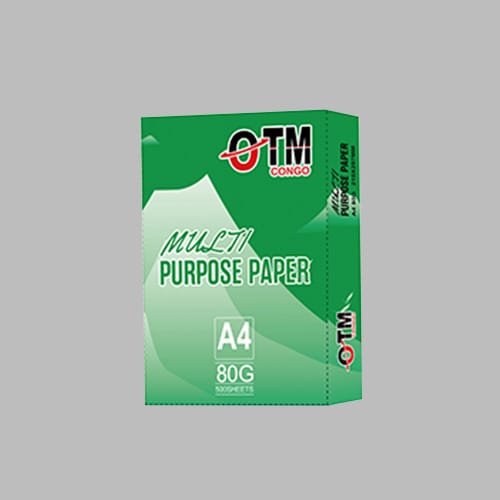
Custom A4 Copy Paper Packaging for Branding and OEM Markets
In competitive supply markets, packaging is also a branding tool. Custom A4 copy paper packaging allows manufacturers and distributors to build stronger brand recognition and market positioning.
Customization options include:
- Logo printing on ream wraps and cartons
- Color-coded packaging for product differentiation
- Private label packaging for OEM clients
- Premium carton design for retail visibility
Branded packaging helps improve perceived product value and supports long-term business partnerships by strengthening visual identity.
Sustainable Trends in A4 Copy Paper Packaging
Sustainability is becoming a key consideration in packaging design. Many manufacturers are shifting toward recyclable materials and reducing plastic usage without compromising protection performance.
Key trends include:
- Recyclable carton board materials
- Reduced plastic film thickness with higher strength
- Eco-friendly ink printing for branding
- Lightweight packaging design to reduce transport emissions
These improvements not only support environmental responsibility but also optimize logistics efficiency by reducing overall packaging weight.
How Manufacturers Ensure High-Quality Packaging
Reliable A4 copy paper packaging requires controlled manufacturing processes and strict quality assurance systems.
Key production practices include:
- Automated wrapping and sealing systems for consistency
- Compression testing for carton strength validation
- Moisture resistance testing under controlled conditions
- Random sampling inspection for batch stability
Advanced production lines help ensure that every packaging unit meets export-grade standards and performs consistently across large-scale shipments.
Choosing the Right A4 Copy Paper Packaging Supplier
Selecting a packaging supplier is not just about cost—it directly impacts product quality, logistics efficiency, and brand reputation.
Key evaluation factors include:
- Material quality and durability standards
- Customization and OEM capability
- Production scale and consistency
- Export handling experience and logistics support
A reliable supplier ensures that A4 copy paper packaging performs consistently across different markets and distribution environments.
Conclusion
A4 copy paper is a standardized product in appearance, but its real value is heavily influenced by packaging quality. From moisture protection to transport stability, packaging determines whether the product maintains its performance from factory to end user.
High-quality A4 copy paper packaging enhances shelf life, reduces damage rates, improves logistics efficiency, and strengthens brand competitiveness. For manufacturers and distributors, investing in packaging is not an additional cost—it is a critical part of product quality assurance and market positioning.
In modern supply chains, packaging is no longer just protection. It is a strategic component that defines how reliably a product performs in the real world.
FAQ
What is A4 copy paper packaging?
A4 copy paper packaging refers to the protective wrapping and carton system used to secure A4 paper during production, storage, and transportation, typically including ream wrap and outer cartons.
Why is packaging important for A4 copy paper?
Proper packaging protects A4 copy paper from moisture, dust, and deformation, ensuring consistent print quality and extending usable shelf life during storage and shipping.
What materials are used in A4 copy paper packaging?
Common materials include moisture-resistant plastic film for inner wrapping and corrugated cardboard cartons for outer protection, often combined with pallet stretch film for stability.
How is A4 copy paper usually packaged for wholesale?
It is commonly packed in 500-sheet reams, with multiple reams (usually 5 or 10) placed into reinforced cartons for bulk handling and export distribution.
Can A4 copy paper packaging be customized?
Yes, many manufacturers offer OEM and private label packaging, including logo printing, carton design, and customized branding for wholesale and retail markets.
Need Help Choosing the Right A4 Copy Paper Packaging Solution?
If you’re unsure which A4 copy paper packaging is best for your production, wholesale, or export needs, our experts are here to help. Contact us today for a personalized consultation and get reliable, durable, and cost-effective packaging solutions tailored to your business. Don’t risk product damage or quality loss—get in touch now to protect your paper quality and strengthen your supply chain!