
Table of Contents
What Is White Printer Paper and Why It Matters
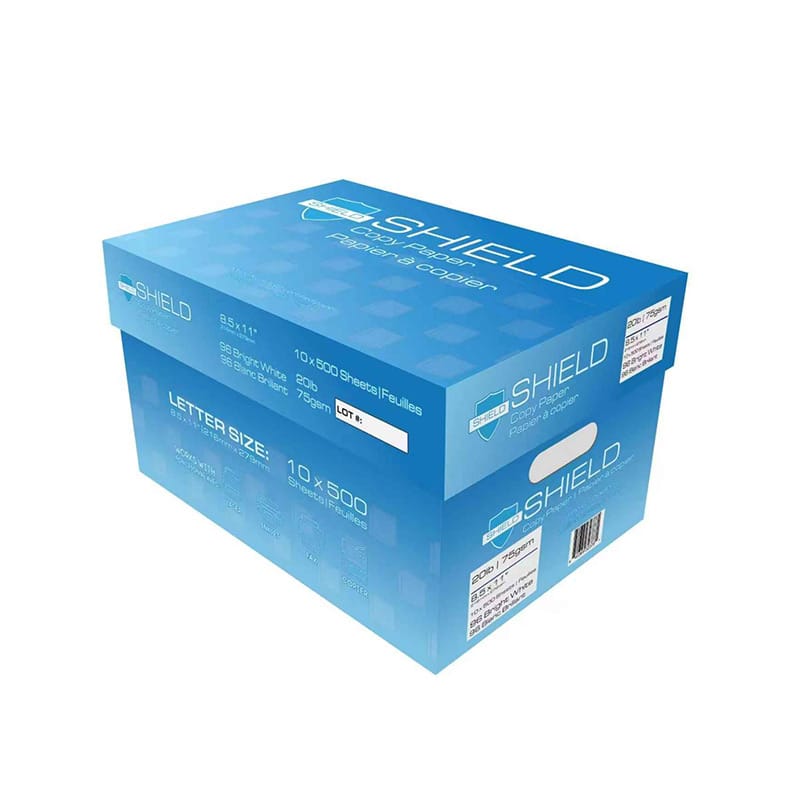
White printing paper is the most widely used type of paper in office, commercial, and personal printing environments. Its bright surface provides a clean background that enhances text clarity and image contrast, making printed content easier to read and more professional in appearance.
In real-world printing applications, paper color and brightness significantly influence visual output. According to printing material studies, higher brightness levels improve perceived sharpness and readability, especially in text-heavy documents.
White printing paper is considered a standard because it delivers consistent results across different printer types and usage scenarios.
Types of White Printer Paper for Different Needs
White printing paper is available in multiple variations depending on coating, texture, and intended use.
Standard uncoated white paper is commonly used for everyday office printing due to its affordability and reliability.
Bright white paper offers higher brightness levels, improving contrast and making documents appear sharper and more professional.
Coated white paper is used for high-quality printing tasks such as brochures and marketing materials because it enhances color vibrancy.
Recycled white printer paper provides an eco-friendly option while maintaining acceptable print performance for general use.
GSM and Thickness of White Printer Paper
GSM (grams per square meter) determines the thickness and durability of white printing paper, which directly impacts printing performance.
| Usage Scenario | Recommended GSM | Key Benefit |
|---|---|---|
| Daily office printing | 70–80 GSM | Cost-efficient and smooth feeding |
| Business documents | 80–100 GSM | Balanced quality and durability |
| Reports and presentations | 100–120 GSM | Better stiffness and appearance |
| Marketing materials | 120–170 GSM | High visual impact |
| Premium printing | 170+ GSM | Strong and professional finish |
Selecting the correct GSM helps reduce paper jams and ensures stable printing performance.
Brightness and Whiteness Impact on Print Quality
Brightness is one of the most important characteristics of white printing paper. Higher brightness levels increase contrast between printed content and background, making text more readable.
Whiteness also affects color reproduction in image printing. A cleaner white surface allows colors to appear more accurate and vibrant.
Industry printing evaluations show that even small differences in brightness levels can noticeably affect perceived print quality.
White Printer Paper in Inkjet and Laser Printing
Different printing technologies interact differently with white printer paper.
Inkjet printers require paper that absorbs ink evenly without spreading, ensuring sharp and clean output.
Laser printers rely on heat and toner bonding, so the paper must withstand high temperatures without curling or deforming.
Using incompatible paper may result in smudging, poor adhesion, or reduced print clarity.
Best Uses of White Printer Paper in Office Environments
White printing paper is essential in office workflows due to its versatility and clarity.
It is commonly used for reports, invoices, contracts, internal communication, and administrative documents.
Standard 80 GSM white paper is widely adopted because it balances cost efficiency and reliable performance.
Consistent paper quality helps maintain smooth printer operation and reduces workflow interruptions.
White Printer Paper in Professional and Commercial Printing
In professional environments, white printing paper plays an important role in brand presentation.
High-brightness white paper enhances the appearance of brochures, presentations, and promotional materials.
Research in print perception shows that clean, bright paper improves perceived professionalism and trustworthiness of printed content.
This makes white printing paper a key element in business communication strategy.
Environmental Considerations in White Printer Paper
Sustainability is increasingly important in paper production and selection.
Recycled white printing paper reduces environmental impact by reusing fiber materials and lowering resource consumption.
Industry lifecycle assessments indicate that recycled paper generally requires less energy and water compared to virgin paper production.
However, recycled paper may have slightly lower brightness, which should be considered for premium printing needs.
Common Mistakes When Choosing White Printer Paper
One common mistake is selecting paper based only on price, which can lead to poor print quality and higher long-term costs.
Another issue is ignoring printer compatibility, which may cause jams or uneven printing results.
Using incorrect GSM can also affect durability and output consistency.
A structured selection approach helps avoid these issues and ensures stable performance.
How to Choose the Right White Printer Paper
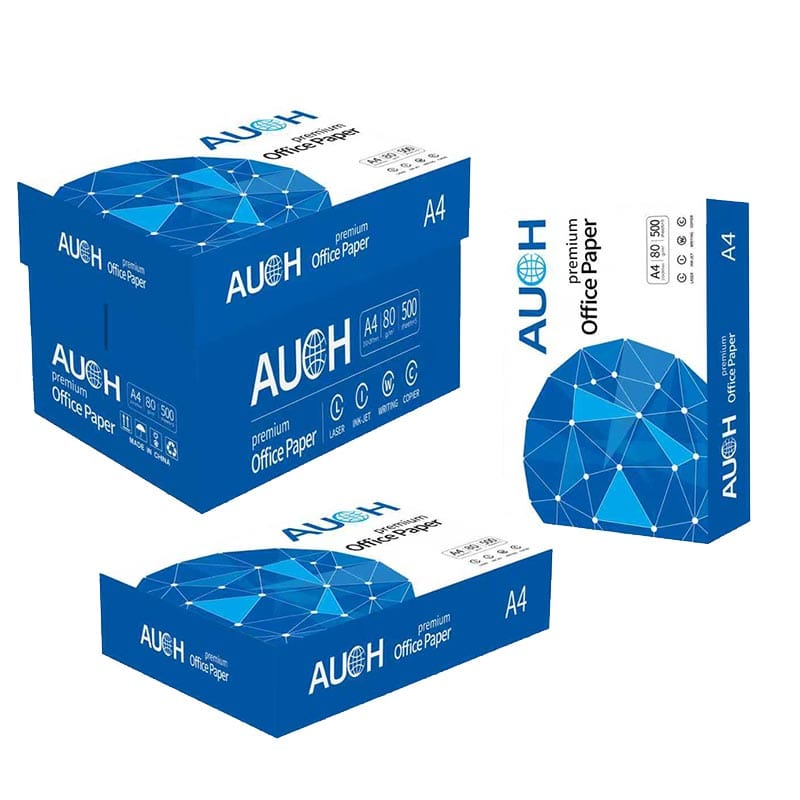
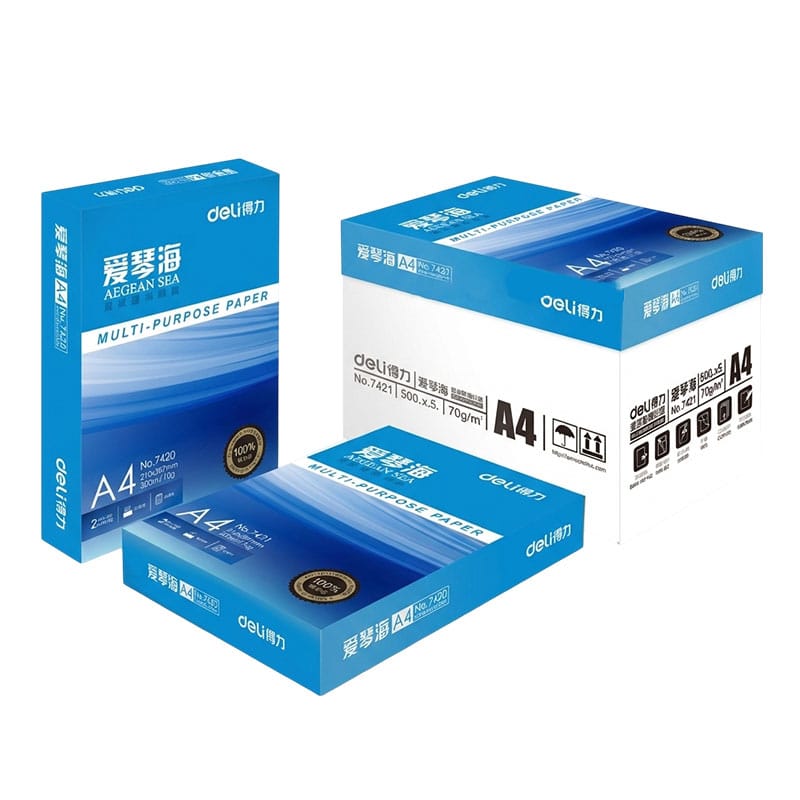
To select the right white printing paper, consider the following steps:
Identify your printing purpose clearly
Choose appropriate GSM based on usage
Match paper type with printer technology
Evaluate brightness and surface quality
Ensure consistent supply from reliable sources
This approach helps improve efficiency and ensures consistent printing results across different applications.
Conclusion
White printing paper remains a fundamental material in modern printing due to its clarity, versatility, and professional appearance. By selecting the right type, GSM, and brightness level, users can significantly improve print quality, reduce operational issues, and achieve more consistent results in both office and commercial environments.
FAQ
What is white printer paper used for?
White printing paper is commonly used for printing office documents, reports, contracts, invoices, and marketing materials. Its clean surface ensures clear text visibility and professional presentation in both business and commercial printing environments.
What GSM is best for white printer paper?
For daily office printing, 70–80 GSM is the most common choice due to its cost efficiency and smooth feeding. For higher-quality documents, 80–100 GSM is preferred as it provides better thickness, durability, and a more professional feel.
Can white printer paper be used in all printers?
Yes, white printer paper is compatible with most inkjet printers, laser printers, and photocopiers. However, it is important to ensure the GSM matches the printer’s recommended specifications to avoid jams or poor print performance.
What is the difference between white and recycled paper?
White printer paper has higher brightness and better contrast, making printed content clearer and more professional-looking. Recycled paper is more environmentally friendly but may have slightly lower brightness and smoothness.
Does brightness affect print quality?
Yes, brightness directly impacts print quality. Higher brightness improves contrast, enhances readability, and makes text and images appear sharper and more visually appealing, especially in professional documents and presentations.
Need Help Choosing the Right White Printer Paper?
If you’re unsure which white printer paper is best for your office printing, commercial documents, or bulk business needs, our experts are here to help. Contact us today for a personalized recommendation, and ensure your printing quality is clear, consistent, and cost-effective. Don’t let the wrong paper affect your results—get in touch now to choose the right solution for your business!