
Table of Contents
Introduction
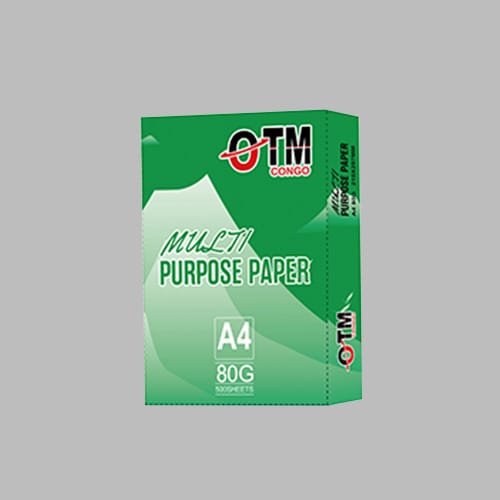
Carbon copy paper is a specialized product used for duplicate documentation, receipts, invoices, and multi-part forms. Unlike standard printing paper, it often contains coated layers that are sensitive to pressure, heat, and environmental conditions. Because of this, packaging is not just a protective layer—it is essential to preserving product functionality.
In real supply chains, improper packaging can lead to smudging, fading transfer quality, or physical damage. According to handling guidelines referenced in paper and imaging industry resources, environmental exposure such as humidity and pressure can significantly reduce the performance of coated paper products. This makes carbon copy paper packaging a critical factor in ensuring product reliability from production to end use.
What Is Carbon Copy Paper Packaging?
Carbon copy paper packaging refers to the structured system used to protect coated paper sheets during storage, handling, and transportation. It typically includes multiple layers designed to address both physical protection and environmental control.
The standard packaging system consists of:
- Inner wrapping to prevent dust and moisture exposure
- Intermediate protection to reduce friction and pressure
- Outer carton packaging for structural strength
- Pallet stabilization for bulk logistics
Because carbon copy paper is more sensitive than regular paper, packaging must be designed to prevent both mechanical damage and chemical performance degradation.
Overview of Main Carbon Copy Paper Packaging Types
There are three primary packaging types used in the industry:
Ream or sheet wrapping is used for smaller units and direct handling.
Carton packaging groups multiple units together for distribution.
Pallet packaging organizes cartons into stable loads for bulk transport.
Each type serves a different purpose, and in most cases, a combined system provides the best protection.
Ream and Sheet Wrapping Packaging Explained
Ream wrapping is the first level of protection and is critical for maintaining the integrity of carbon copy paper.
Materials used typically include moisture-resistant films such as polyethylene or coated paper wraps. These materials help protect against humidity and prevent unwanted activation of the carbon layer.
Proper sealing is essential. If air or moisture enters the package, it can affect the transfer performance of the paper. In addition, excessive pressure during wrapping must be avoided to prevent premature marking or smudging.
Ream packaging is suitable for controlled environments but needs additional protection for transport.
Carton Packaging Solutions for Carbon Copy Paper
Carton packaging provides structural support and protects against external pressure during storage and shipping.
High-quality corrugated cartons are used to:
- Prevent deformation during stacking
- Protect against impact during handling
- Maintain alignment of paper stacks
Double-wall cartons are often preferred for export or long-distance shipping due to their higher compression strength. Carton design also plays a role in reducing internal movement, which can damage sensitive coated layers.
Pallet Packaging and Bulk Transport Solutions
For large-scale distribution, pallet packaging is essential. It allows multiple cartons to be handled efficiently and reduces the risk of damage during loading and unloading.
Pallet packaging typically includes:
- Stretch film wrapping for load stability
- Strapping to secure cartons in place
- Proper weight distribution to prevent shifting
Well-designed pallet systems improve logistics efficiency and reduce damage rates. Industry logistics studies indicate that palletized shipments significantly lower handling-related losses compared to loose packaging.
Material Comparison of Carbon Copy Paper Packaging
| Packaging Type | Main Material | Protection Focus | Key Advantage | Typical Application |
|---|---|---|---|---|
| Inner Wrap | PE film or coated paper | Moisture and dust control | Prevents environmental exposure | Direct sheet protection |
| Carton Packaging | Corrugated board | Compression resistance | Protects during stacking and handling | Wholesale distribution |
| Pallet Packaging | Stretch film and pallet base | Load stability | Reduces movement during transport | Bulk shipping |
Each material layer contributes to a complete packaging system that ensures the product remains functional and intact.
Packaging Performance in Storage and Shelf Life
Carbon copy paper is particularly sensitive to environmental conditions. High humidity can affect the coating performance, while pressure can lead to unintended marks.
Effective packaging helps:
- Maintain consistent transfer quality
- Prevent smudging and premature activation
- Extend shelf life under varying storage conditions
Research in paper storage practices shows that controlled packaging significantly improves long-term usability, especially for coated paper products.
Packaging Solutions for Export and Global Distribution
Export conditions introduce additional risks, including temperature fluctuations, humidity changes, and extended transport times.
To address these challenges, carbon copy paper packaging for export includes:
- Enhanced moisture barriers
- Reinforced carton structures
- Stable pallet configurations
- Secure sealing systems
These features ensure that the paper maintains its performance even after long logistics cycles.
Custom Carbon Copy Paper Packaging for Branding and OEM
Packaging is also an important branding tool. Custom packaging allows businesses to differentiate their products in competitive markets.
Common customization options include:
- Printed logos and branding on cartons
- Custom sizes and packaging formats
- Private label packaging for distributors
- Color-coded systems for product identification
Customized packaging enhances brand recognition and adds value to the product.
Sustainable Trends in Carbon Copy Paper Packaging
Sustainability is becoming a key focus in packaging design. Manufacturers are adopting materials and processes that reduce environmental impact.
Trends include:
- Increased use of recyclable materials
- Reduction of plastic film thickness
- Lightweight carton design
- Eco-friendly printing methods
These changes help align packaging with modern environmental standards while maintaining performance.
How to Choose the Best Packaging Solution for Your Business
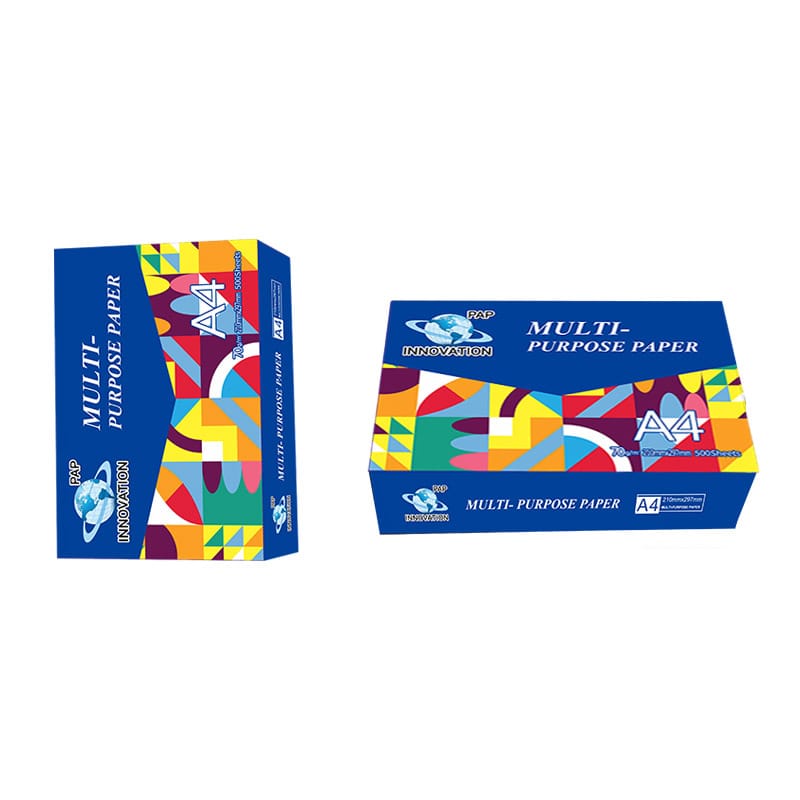
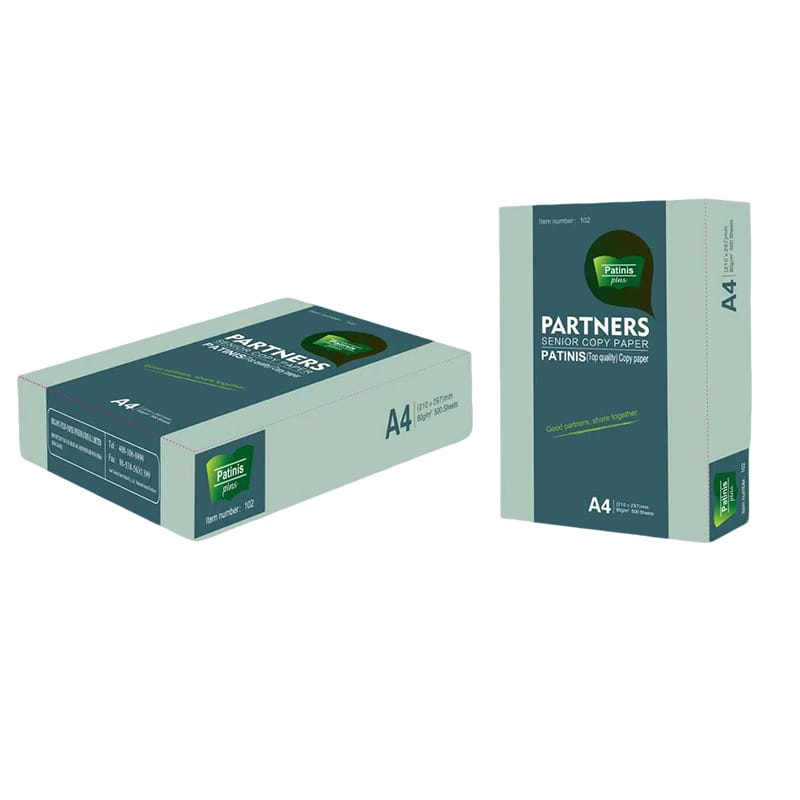
Choosing the right carbon copy paper packaging depends on several factors:
- Product sensitivity and coating type
- Storage and transport conditions
- Distribution scale and logistics complexity
- Branding and market positioning needs
If your products are shipped over long distances or stored in varying conditions, stronger packaging is essential. For controlled environments, simpler solutions may be sufficient.
Working with experienced packaging suppliers ensures that your solution is tailored to your specific operational requirements.
Conclusion
Carbon copy paper packaging is a critical component of product performance and supply chain success. Unlike standard paper, it requires specialized protection to maintain functionality and quality.
By understanding the different packaging types and their roles, businesses can make informed decisions that improve product reliability, reduce damage, and enhance customer satisfaction.
In modern supply chains, packaging is not just protection—it is a strategic investment in product quality and operational efficiency.
FAQ
What is carbon copy paper packaging?
Carbon copy paper packaging refers to the protective wrapping and boxing system used to preserve coated paper during storage and transport. It typically includes moisture-resistant inner wraps, durable cartons, and pallet stabilization to prevent pressure damage, smudging, and environmental impact.
Why is special packaging required for carbon copy paper?
Carbon copy paper contains sensitive coating layers that can react to pressure, heat, or humidity. Proper packaging prevents unintended marking, fading, or sticking between sheets, ensuring the paper maintains consistent transfer performance and usability.
What materials are commonly used in carbon copy paper packaging?
Common materials include PE or coated film for inner wrapping to resist moisture, and high-strength corrugated cartons for outer protection. These materials work together to protect against humidity, dust, and compression during handling and long-distance shipping.
How is carbon copy paper packaged for export?
For export, carbon copy paper is sealed in moisture-proof wraps, packed into reinforced cartons, and palletized with stretch film for stability. This multi-layer system protects the paper from environmental changes and handling stress during extended transportation cycles.
Can carbon copy paper packaging be customized?
Yes, manufacturers offer OEM and private label packaging options, including custom sizes, printed logos, and branded carton designs. Customized packaging helps improve product presentation, strengthen brand identity, and meet specific market or distribution requirements.
Need Help Choosing the Right Carbon Copy Paper Packaging Solution?
If you’re unsure which packaging system is best for your carbon copy paper products, our experts are here to help. Contact us today for a personalized consultation and get durable, moisture-resistant, and cost-effective packaging tailored to your supply chain needs. Don’t risk product damage or performance issues—get in touch now to protect your paper quality and enhance your distribution efficiency!