Table of Contents
Introduction
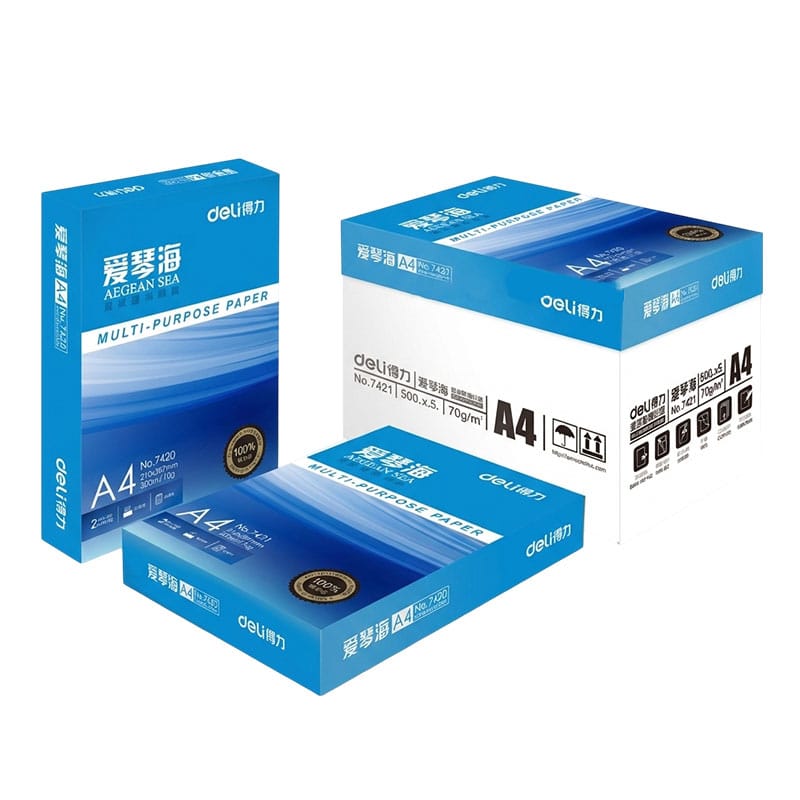
If you’re sourcing or distributing copier paper, you already know that product quality alone is not enough. In real supply chains, packaging plays a decisive role in protecting paper, maintaining performance, and ensuring smooth logistics. A weak packaging system can lead to moisture damage, deformation, and costly returns—even if the paper itself meets high standards.
That’s why choosing the right copier paper packaging supplier is not just a purchasing decision. It’s a strategic move that affects your product quality, operational efficiency, and long-term customer satisfaction. In this guide, you’ll learn how to evaluate suppliers and select a packaging partner that truly supports your business growth.
What Is Copier Paper Packaging?
Copier paper packaging refers to the protective system used to secure paper products during storage, handling, and transportation. It typically includes:
- Inner ream wrapping to protect against moisture and dust
- Outer carton packaging for structural strength
- Pallet packaging for bulk handling and shipping stability
These layers work together to ensure that copier paper arrives in usable condition, without curling, contamination, or damage.
Why Choosing the Right Packaging Supplier Is Critical
A reliable packaging supplier does more than deliver materials. They help you:
- Reduce product damage during transport
- Maintain consistent paper quality
- Improve warehouse handling efficiency
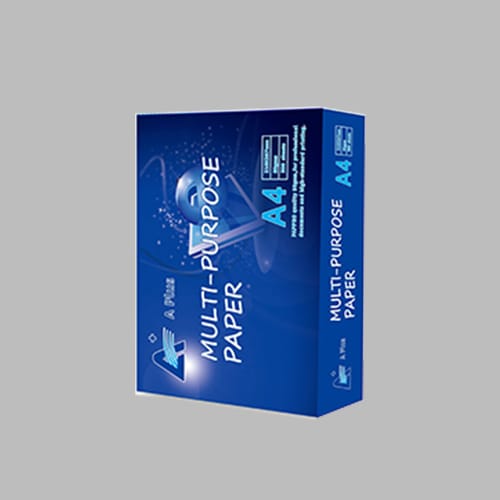
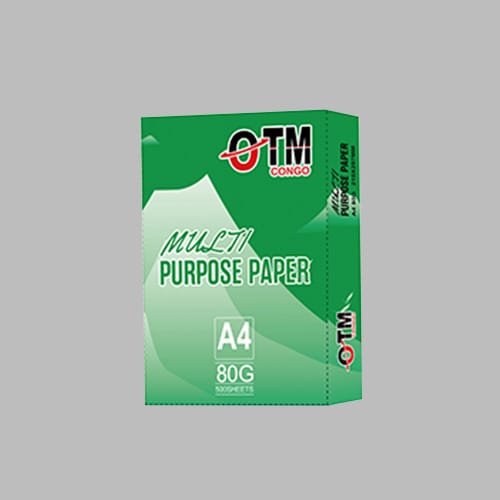
- Support branding and customization needs
According to general supply chain performance insights in the paper industry, packaging-related issues are a major cause of product complaints, especially in long-distance distribution. Choosing the wrong supplier can increase hidden costs such as returns, replacements, and customer dissatisfaction.
Key Factors to Consider When Selecting a Supplier
Product Quality and Material Standards
The first thing to evaluate is the quality of materials used in packaging. High-quality copier paper packaging should include:
- Moisture-resistant inner wrapping materials such as PE or BOPP film
- Strong corrugated cartons with sufficient compression strength
- Durable sealing that prevents air and humidity exposure
Ask suppliers about their material specifications and testing processes. Reliable suppliers will provide consistent quality across batches.
Manufacturing Capability and Production Capacity
Your supplier must be able to meet your volume requirements without compromising quality.
Key considerations include:
- Production scale and capacity
- Automation level of packaging lines
- Lead times and delivery reliability
Suppliers with advanced production systems can ensure consistent output and reduce variability in packaging performance.
Experience in Export and Logistics
If your business involves international distribution, your packaging supplier must understand export requirements.
Look for experience in:
- Moisture-proof packaging design
- Carton strength for container stacking
- Palletization and load optimization
- Handling long-distance shipping challenges
Experienced suppliers can help reduce damage rates and improve overall logistics efficiency.
Customization and OEM Capabilities
Packaging is also a branding tool. A good supplier should offer customization options such as:
- Logo printing on ream wraps and cartons
- Custom carton sizes and designs
- Private label packaging solutions
- Color and layout customization for brand identity
This flexibility helps you differentiate your products in competitive markets.
Evaluating Packaging Performance
Moisture Resistance
Copier paper is highly sensitive to humidity. Good packaging should create an effective barrier against moisture, preventing paper curling and print issues.
Compression Strength
Cartons must withstand stacking pressure during storage and transport. Weak cartons can collapse, damaging the product inside.
Sealing Quality
Proper sealing ensures that the packaging remains airtight, protecting against environmental exposure.
Consistency Across Batches
Reliable suppliers maintain consistent packaging performance across all shipments, which is critical for large-scale distribution.
Common Mistakes to Avoid When Choosing a Supplier
Many businesses make avoidable mistakes when selecting a copier paper packaging supplier.
Common issues include:
- Choosing based only on price
- Ignoring export experience
- Overlooking material quality
- Failing to test packaging performance before bulk orders
Avoiding these mistakes can save significant time and cost in the long run.
The Role of Sustainable Packaging
Sustainability is becoming an important factor in supplier selection. Many businesses now prefer packaging solutions that are both effective and environmentally responsible.
Look for suppliers that offer:
- Recyclable carton materials
- Reduced plastic usage
- Lightweight packaging designs
- Environmentally friendly printing processes
Sustainable packaging not only reduces environmental impact but also improves brand perception.
Building a Long-Term Partnership with Your Supplier
The best packaging suppliers act as long-term partners rather than one-time vendors.
A strong partnership provides:
- Continuous product improvement
- Better pricing through long-term cooperation
- Faster response to changing market demands
- Ongoing technical support and innovation
Choosing a supplier with this mindset can create long-term value for your business.
Copier Paper Packaging Supplier Comparison Table
| Evaluation Criteria | High-Quality Supplier | Average Supplier | Low-Quality Supplier |
|---|---|---|---|
| Material Quality | Moisture-resistant film + strong cartons | Standard film + basic cartons | Thin film + weak cartons |
| Moisture Protection | Excellent barrier performance | Moderate protection | Poor moisture resistance |
| Carton Strength | High compression resistance | متوسط strength | Easily deformed |
| Production Capacity | Large-scale automated production | Medium capacity | Limited production ability |
| Customization (OEM) | Full branding and design support | Basic customization | No customization |
| Export Experience | Extensive global shipping experience | Limited export knowledge | No export capability |
| Consistency | Stable quality across batches | Occasional variation | Inconsistent quality |
| Cost Efficiency | Balanced cost and performance | Lower cost, moderate quality | Cheap but |
How to Make the Final Decision
Before selecting your copier paper packaging supplier, take a structured approach:
- Request samples and test packaging performance
- Compare multiple suppliers based on quality and capability
- Evaluate their experience in your target markets
- Assess their communication and responsiveness
A well-informed decision ensures that your packaging system supports both your product quality and operational efficiency.
Conclusion
Selecting the right copier paper packaging supplier is not just about packaging materials—it’s about protecting your product, optimizing your logistics, and strengthening your brand.
High-quality packaging ensures that copier paper maintains its performance from production to end use. A reliable supplier helps reduce risks, improve efficiency, and support long-term growth.
In a competitive market, the right packaging partner can make a measurable difference in both cost control and customer satisfaction.
FAQ
What is copier paper packaging?
Copier paper packaging refers to the protective system used to wrap, store, and transport copier paper. It typically includes moisture-resistant ream wrapping, durable corrugated cartons, and pallet stabilization to prevent damage, contamination, and environmental impact.
Why is packaging important for copier paper?
Proper packaging protects copier paper from moisture, dust, and pressure damage. It helps maintain flatness, prevents curling, and ensures consistent print performance, especially during long storage periods or transportation across different environments.
What materials are used in copier paper packaging?
Copier paper packaging commonly uses PE or BOPP film for inner wrapping to resist moisture and dust, along with strong corrugated cardboard cartons for outer protection. These materials work together to ensure durability during handling and shipping.
How is copier paper packaged for wholesale and export?
Copier paper is usually packed in 500-sheet reams, then grouped into 5 or 10 ream cartons. For export, cartons are palletized and wrapped with stretch film to enhance stability and protect against damage during long-distance transportation.
Can copier paper packaging be customized for branding?
Yes, many suppliers offer OEM and private label packaging options, including custom logo printing, carton design, and color schemes. Customized packaging helps improve brand visibility and supports market differentiation for distributors and wholesalers.
Need Help Choosing the Right Copier Paper Packaging Supplier?
If you’re unsure which packaging solution is best for your copier paper products, our experts are here to help. Contact us today for a personalized consultation and get durable, moisture-resistant, and cost-effective packaging tailored to your business needs. Don’t risk product damage or supply chain issues—get in touch now to protect your paper quality and improve your distribution efficiency!