
Table of Contents
Ream wrapper core diameter should be specified against the intended paper product, packing operation and distribution route. Core diameter is a machine-interface requirement and should be specified with the core's material, length and condition. The inside diameter must match the intended shaft or chuck system. A nominal core size without tolerances and interface details can lead to loose engagement, loading difficulty or damage during use.
Define the scope of ream wrapper core diameter
Separate inside diameter, outside diameter and wall thickness. Confirm how much core extends beyond the web, if any, and whether the ends must be flush. Inspect ovality, crushed edges and contamination before loading. The core must also suit the roll mass and the equipment's engagement method.
How to evaluate ream wrapper core diameter
Review the machine manufacturer's requirements with the equipment owner and provide them to the converter. Check representative cores before committing to a long run. A dry fit should be conducted using the normal safe loading procedure. Do not modify the shaft, improvise packing pieces or force an unsuitable core into place as a purchasing workaround.
Compare the purchasing options and evidence
The following comparison turns ream wrapper core diameter into a specific purchasing conversation. The right-hand evidence column identifies what the buyer should request before accepting the proposed approach. It is a decision aid, not a universal specification or a supplier performance claim.
| Review item | Incomplete approach | Preferred approval basis | Evidence to retain |
|---|---|---|---|
| Dimension | Nominal inch size only | Inside diameter and tolerance | Interface drawing |
| Construction | Unspecified tube | Material, wall and end condition | Core specification |
| Fit | Force onto available shaft | Confirm intended chuck compatibility | Safe loading trial |
Work through a practical example
As a unit-conversion example, a nominal three-inch dimension corresponds to 76.2 mm. That conversion does not mean every core sold under a three-inch description meets the same tolerance or chuck requirement. The buyer should state the actual interface specification and have the supplier acknowledge it.
Review ream wrapper roll diameter alongside ream wrapper core diameter
The decision about ream wrapper core diameter also interacts with ream wrapper roll diameter. Review this connection where it affects the proposed material, production process or delivery configuration.
Distinguish maximum outside diameter from core diameter and record the condition in which it is measured. Check guards, neighboring structures and the path used to place the roll on the machine. A roll that fits after loading may still be difficult to maneuver safely into position with the available handling equipment.
Ask the machine owner to confirm limits for diameter, mass and core interface together. Inspect roll roundness and winding condition as well as its maximum size. Trial the first delivery using the agreed lifting and loading method. Keep personnel clear of unsafe handling experiments and use the equipment's approved operating procedure.
Review ream wrapper roll weight alongside ream wrapper core diameter
The decision about ream wrapper core diameter also interacts with ream wrapper roll weight. Review this connection where it affects the proposed material, production process or delivery configuration.
Record width, supplied length and complete-wrapper basis weight when estimating net material mass. Add the core and transport protection separately for gross mass. A paper-layer GSM value omits other laminate components and will understate the mass if used as the complete construction.
Weigh representative rolls using suitable calibrated equipment and reconcile the result with the declared basis. Keep pallet and protective-packaging tare distinguishable. Where weight is used as the commercial quantity, agree how tare, tolerances and moisture-related variation are handled in the receiving process.
Approve ream wrapper core diameter and control changes
Release the core specification together with roll width, diameter, mass and winding requirements. Keep damaged-core inspection in the receiving plan. Recheck the complete interface whenever the roll format or loading equipment changes, even when the nominal inside diameter remains the same.
Investigate a defect without losing the original evidence for ream wrapper core diameter
An investigation involving ream wrapper core diameter should start with a precise description of the symptom. Record where it appears, when it first becomes visible and which quantity is affected. Keep the original material and its identification. A broad statement such as poor quality leaves too many possible causes open and makes a useful supplier response harder to obtain.
Map the ream wrapper core diameter defect to the packaging and process. Look for repeated positions, directions or timing. Compare the affected area with nearby surfaces, joints, folds or machine contacts where relevant. A consistent pattern can guide the next check, but treat it as a hypothesis until the evidence supports a cause.
Preserve both affected and unaffected ream wrapper core diameter samples from traceable locations. Include the approved reference if available. Photograph the condition before destructive examination or attempted repair. Once the material is altered, a later reviewer may be unable to distinguish the original defect from changes introduced during troubleshooting.
Test one explanation at a time in the ream wrapper core diameter investigation where practical. Use a controlled comparison and record what remains unchanged. If several adjustments are necessary for a safe trial, document the combined scope and avoid claiming that one adjustment alone solved the problem. A limited but accurate conclusion is more useful than an unsupported root-cause statement.
Evaluate any proposed ream wrapper core diameter correction through the stage that produced the original defect. Check whether the change introduces a different problem elsewhere, such as altered fit, appearance or handling. Do not close the investigation merely because one sample looks improved immediately after adjustment; retain the relevant follow-up observations.
Close the ream wrapper core diameter issue with the agreed disposition, corrective action and revision references. Link recovered material to its original identity and state any limits on use. Feed the confirmed lesson into the next order's acceptance plan, while keeping unproven explanations clearly separate from the evidence that actually supported the decision.
Prepare a clear request for quotation
To discuss ream wrapper core diameter with Huasheng, provide the paper format, wrapped ream dimensions, intended quantity and the requirements highlighted above. Include the approved artwork if printing is involved, plus photographs or drawings that show the current packaging. Request confirmation of the proposed construction and sampling steps before production.
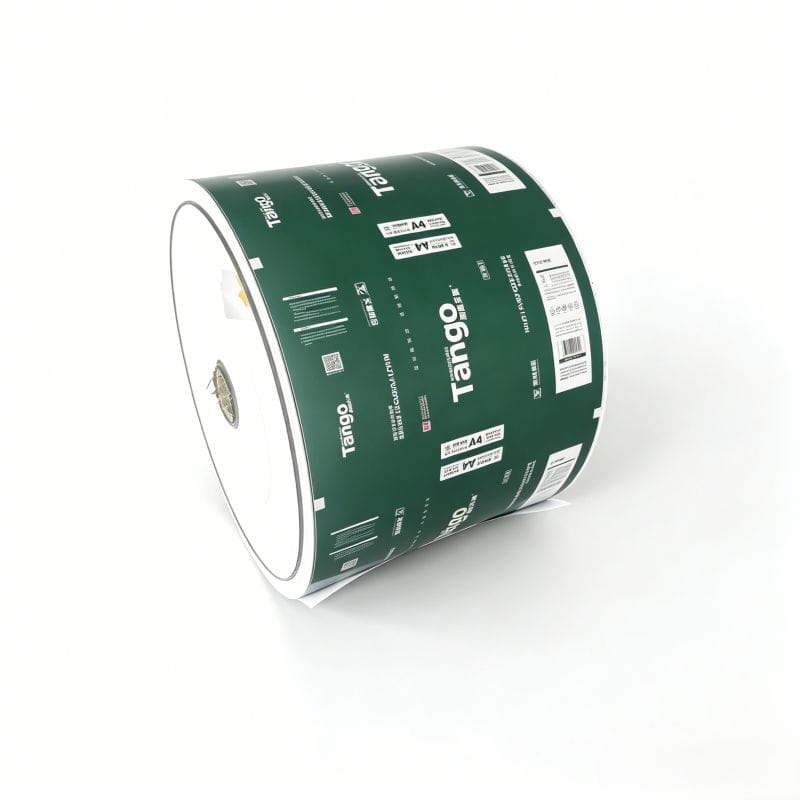
Review the relevant Printed Packaging Roll for Copy Paper Reams and custom packaging services when preparing the brief. A product photograph illustrates the packaging family; it does not establish a tested strength, exact size or machine setting for your order.
For additional context while evaluating ream wrapper core diameter, see Ream Wrapper Winding Direction: How to Approve a Printed Roll; Copy Paper Wrapper Seal Failure: A Buyer’s Troubleshooting Guide. Technical reference: ISTA guidance on retesting after changes. Ask the responsible specialist which method applies to the actual package and use case.
Send your ream wrapper core diameter requirements through the inquiry form below. State the items that are already approved and the decisions that still need a sample or technical review. A defined brief makes the supplier’s proposal easier to compare and helps the next production run follow the same accepted requirements.
Frequently asked questions
What should buyers confirm first about ream wrapper core diameter?
Core diameter is a machine-interface requirement and should be specified with the core’s material, length and condition. The inside diameter must match the intended shaft or chuck system. Begin with the actual product and process so the supplier can review a defined requirement.
What evidence is needed to approve ream wrapper core diameter?
Review the machine manufacturer’s requirements with the equipment owner and provide them to the converter. Check representative cores before committing to a long run. Keep the evidence linked to the ream wrapper core diameter specification and the sample used.
Can a photograph or a nominal specification replace a physical sample?
For ream wrapper core diameter, a photograph or nominal value documents only part of the requirement. Separate inside diameter, outside diameter and wall thickness. Confirm how much core extends beyond the web, if any, and whether the ends must be flush. Use the relevant measurements and functional checks before approval.
Which common purchasing mistake should be avoided?
When reviewing ream wrapper core diameter, avoid treating “nominal inch size only” as complete evidence. Prefer “inside diameter and tolerance” and retain the interface drawing. Release the core specification together with roll width, diameter, mass and winding requirements.
What should be reconfirmed on a repeat order?
Reconfirm the approved ream wrapper core diameter specification, sample reference and any changes to material, geometry or operating conditions. Release the core specification together with roll width, diameter, mass and winding requirements. Keep damaged-core inspection in the receiving plan.