
Table of Contents
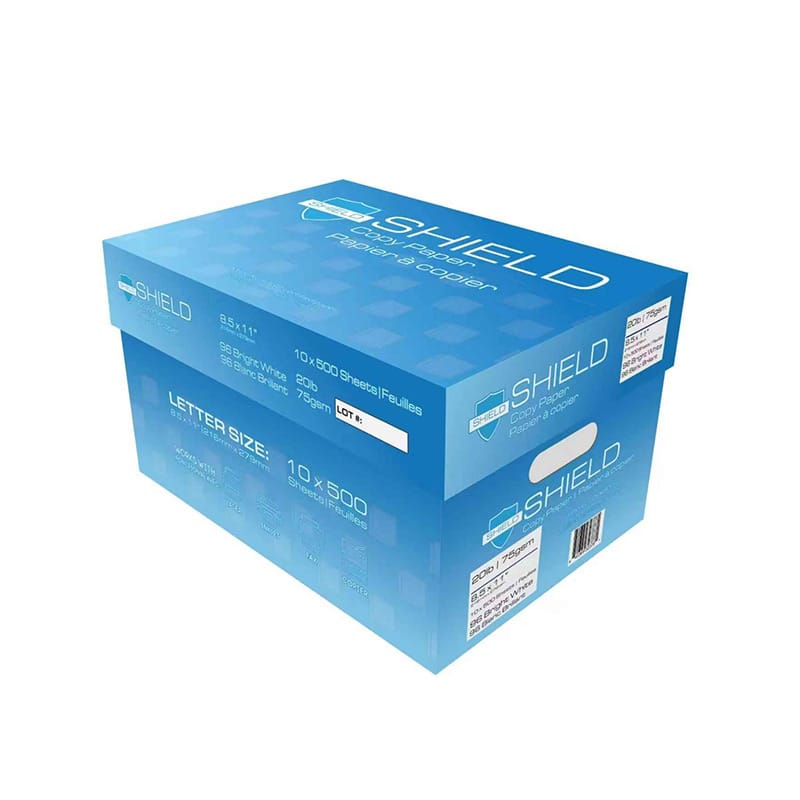
Telescopic copy paper carton should be specified against the intended paper product, packing operation and distribution route. A telescopic carton uses separate parts that overlap, so its fit depends on the relationship between the body and cover. The overlap may provide useful protection and opening access, but a tight or loose fit can create handling problems. Specify both parts and assess them together with the actual wrapped ream load.
Define the scope of telescopic copy paper carton
A lid dimension must state whether it is measured internally or externally. Board caliper, corner joints and score positions affect how the cover slides over the body. The contact fit can vary around the perimeter, especially when either component is slightly out of square. An unloaded fit check may miss the change caused by a filled body.
How to evaluate telescopic copy paper carton
Measure multiple body-and-cover combinations and include cross-matching between samples. Check the effort needed to fit and remove the lid without bending it or disturbing the reams. Record overlap depth and the intended transport restraint. A cover that looks secure at rest should not be assumed to remain attached during distribution without the specified closure arrangement.
Compare the purchasing options and evidence
The following comparison turns telescopic copy paper carton into a specific purchasing conversation. The right-hand evidence column identifies what the buyer should request before accepting the proposed approach. It is a decision aid, not a universal specification or a supplier performance claim.
| Review item | Incomplete approach | Preferred approval basis | Evidence to retain |
|---|---|---|---|
| Components | One shared size label | Separate body and cover dimensions | Matched component drawings |
| Fit | Selected sample pair only | Cross-match representative parts | Fit range observations |
| Overlap | Appearance-based estimate | Defined engagement and closure | Loaded transport sample |
Work through a practical example
An illustrative order uses bodies from one production batch and lids from another. Each batch fits its own retained samples, but random pairing creates intermittent tight corners. Cross-matching exposes this tolerance interaction. The corrective action is to review the two component specifications together, rather than increasing only the nominal lid length.
Review copy paper carton internal dimensions alongside telescopic copy paper carton
The decision about telescopic copy paper carton also interacts with copy paper carton internal dimensions. Review this connection where it affects the proposed material, production process or delivery configuration.
Select reference faces that are easy to identify on the assembled carton. State the order of length, width and height and distinguish the main body from any lid. A bowed panel or a thick joint can reduce local clearance even when a centerline measurement passes. Record the tightest locations that actually contact the wrapped reams.
Erect samples consistently and avoid squeezing the walls with the measuring tool. Note whether the carton is empty, loaded or closed, because each state answers a different question. Compare several samples and record the range. One convenient measurement of the largest box can hide a fit issue that appears only at the lower end of production variation.
Review copy paper carton clearance alongside telescopic copy paper carton
The decision about telescopic copy paper carton also interacts with copy paper carton clearance. Review this connection where it affects the proposed material, production process or delivery configuration.
Evaluate clearance separately along length, width and height. End folds can create local thickness and the carton joint may project inward. A lid that presses on the top ream introduces another contact point. Measure the pack where it is largest, then inspect the matching carton area rather than subtracting nominal sheet dimensions from nominal box dimensions.
Trial the smallest acceptable carton with the largest observed ream envelope and the largest carton with the smallest envelope. These boundary combinations reveal different risks. Insertion force, wrapper abrasion, pack movement and ease of closure are more useful observations than a general statement that the samples fit. Do not force an oversized ream into the sample to obtain approval.
Approve telescopic copy paper carton and control changes
Keep the body and lid linked under one packaging specification while maintaining distinct component identifiers. Define acceptable fit, overlap and restraint using an approved filled sample. If either component changes, repeat the combined evaluation, including the user's opening and reclosure sequence.
Qualify the specification before the first order for telescopic copy paper carton
For telescopic copy paper carton, start qualification by naming the decision that the sample must support. Identify the product, operating conditions and delivery form covered by the approval. Make the boundary explicit: one sample may represent a particular SKU and material, while another size or construction may still need review. This prevents a narrow successful trial from becoming an unsupported approval for the whole range.
The telescopic copy paper carton brief should separate fixed requirements from open choices. Put the buyer's mandatory dimensions, artwork and interface limits in one column, and the supplier's proposed solutions in another. Resolve differences while samples are still inexpensive to change. An attractive proposal is easier to assess when the buyer can see exactly which requirements it accepts and which it asks to revise.
Select representative samples for the telescopic copy paper carton evaluation. Include normal production variation and the conditions most likely to challenge the design. Ask how each sample was made and whether it uses the intended material and conversion route. A hand-prepared mockup can resolve appearance or geometry, but its manufacturing history may limit what it demonstrates about production consistency.
Agree the acceptance method for telescopic copy paper carton before examining the final results. Define the observations that matter, the reference used for comparison and who will decide borderline cases. Keep measurements with units and retain relevant photographs. When two candidates are compared, use the same method so a difference in the test does not masquerade as a difference in the packaging.
At the telescopic copy paper carton approval meeting, distinguish verified requirements from unresolved items. A sample can be accepted for artwork while its material or functional review remains open. Record that limited status accurately. Assign the next action and the person responsible instead of treating a signature on one proof as authorization for every aspect of mass production.
Release the accepted telescopic copy paper carton specification with its sample identifier and revision. During the first delivery, check that the supplied item matches that reference and observe it in the intended operation. Preserve any departure from the qualified conditions. The first production order should close the loop between the sample decision and the material that the packing team actually receives.

Prepare a clear request for quotation
To discuss telescopic copy paper carton with Huasheng, provide the paper format, wrapped ream dimensions, intended quantity and the requirements highlighted above. Include the approved artwork if printing is involved, plus photographs or drawings that show the current packaging. Request confirmation of the proposed construction and sampling steps before production.
Review the relevant Heavy-Duty Corrugated Carton for Copy Paper and custom packaging services when preparing the brief. A product photograph illustrates the packaging family; it does not establish a tested strength, exact size or machine setting for your order.
For additional context while evaluating telescopic copy paper carton, see Ream Wrapper Winding Direction: How to Approve a Printed Roll; Copy Paper Wrapper Seal Failure: A Buyer’s Troubleshooting Guide. Technical reference: FEFCO testing methods. Ask the responsible specialist which method applies to the actual package and use case.
Send your telescopic copy paper carton requirements through the inquiry form below. State the items that are already approved and the decisions that still need a sample or technical review. A defined brief makes the supplier’s proposal easier to compare and helps the next production run follow the same accepted requirements.
Frequently asked questions
What should buyers confirm first about telescopic copy paper carton?
A telescopic carton uses separate parts that overlap, so its fit depends on the relationship between the body and cover. The overlap may provide useful protection and opening access, but a tight or loose fit can create handling problems. Begin with the actual product and process so the supplier can review a defined requirement.
What evidence is needed to approve telescopic copy paper carton?
Measure multiple body-and-cover combinations and include cross-matching between samples. Check the effort needed to fit and remove the lid without bending it or disturbing the reams. Keep the evidence linked to the telescopic copy paper carton specification and the sample used.
Can a photograph or a nominal specification replace a physical sample?
For telescopic copy paper carton, a photograph or nominal value documents only part of the requirement. A lid dimension must state whether it is measured internally or externally. Board caliper, corner joints and score positions affect how the cover slides over the body. Use the relevant measurements and functional checks before approval.
Which common purchasing mistake should be avoided?
When reviewing telescopic copy paper carton, avoid treating “one shared size label” as complete evidence. Prefer “separate body and cover dimensions” and retain the matched component drawings. Keep the body and lid linked under one packaging specification while maintaining distinct component identifiers.
What should be reconfirmed on a repeat order?
Reconfirm the approved telescopic copy paper carton specification, sample reference and any changes to material, geometry or operating conditions. Keep the body and lid linked under one packaging specification while maintaining distinct component identifiers. Define acceptable fit, overlap and restraint using an approved filled sample.