
Table of Contents
Introduction
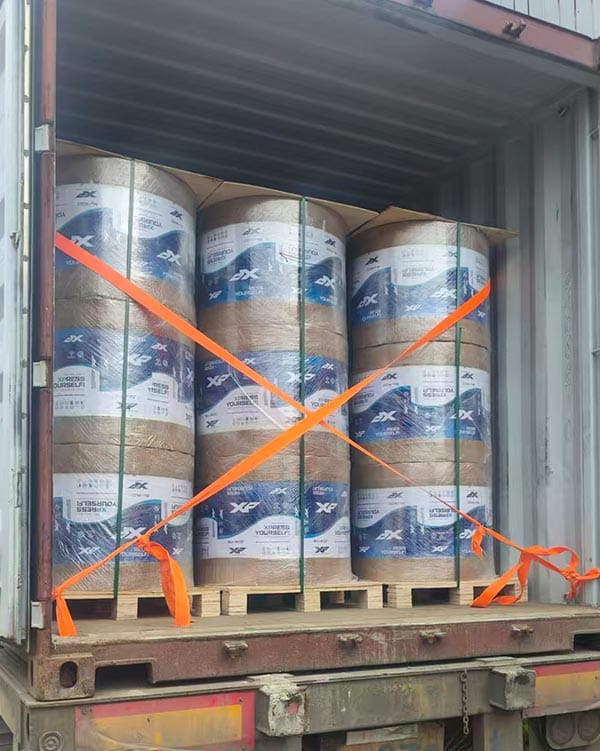
A3 printer paper is widely used in offices, print shops, and industrial environments. While the quality of the paper itself is critical, the role of packaging is often underestimated. Proper packaging ensures the paper remains flat, clean, and protected from moisture, dust, and physical damage during storage and transportation.
Choosing the right A3 printer paper packaging not only preserves product quality but also improves handling efficiency, reduces returns, and enhances customer satisfaction. In this guide, we’ll break down the main packaging types, their advantages, and key considerations to help you make the right choice.
What Is A3 Printer Paper Packaging?
A3 printer paper packaging refers to the materials and methods used to protect, stack, and transport A3-sized sheets. Packaging typically includes:
- Inner Wrapping: Moisture-resistant film or paper that shields sheets from humidity and dust.
- Outer Cartons: Corrugated boxes that provide structural integrity for stacking and shipping.
- Pallet Packaging: Bulk transport solutions that secure multiple cartons for safe logistics.
Each layer works together to ensure that the paper reaches the end user in optimal condition.
Common A3 Printer Paper Packaging Types
Standard Ream Wrapping
Standard ream wrapping involves individually wrapping 500 sheets in paper or plastic film. Advantages include:
- Basic moisture and dust protection
- Easy handling and re-shelving
- Compatible with most office storage setups
This packaging type is best for domestic and local distribution.
Shrink-Wrapped Reams
Shrink-wrapped reams use heat-shrinkable plastic film for each 500-sheet ream. Benefits include:
- Excellent moisture resistance
- Improved stacking stability
- Enhanced visual presentation for retail
Shrink wrapping is often preferred for export or high-humidity environments.
Corrugated Cartons
Multiple reams (typically 5–10) are packed in corrugated cartons for bulk handling. Key features:
- Strong structural protection for storage and transport
- Easier palletization
- Can include branding and labeling
Cartons vary in thickness and board strength depending on supplier specifications.
Palletized Packaging
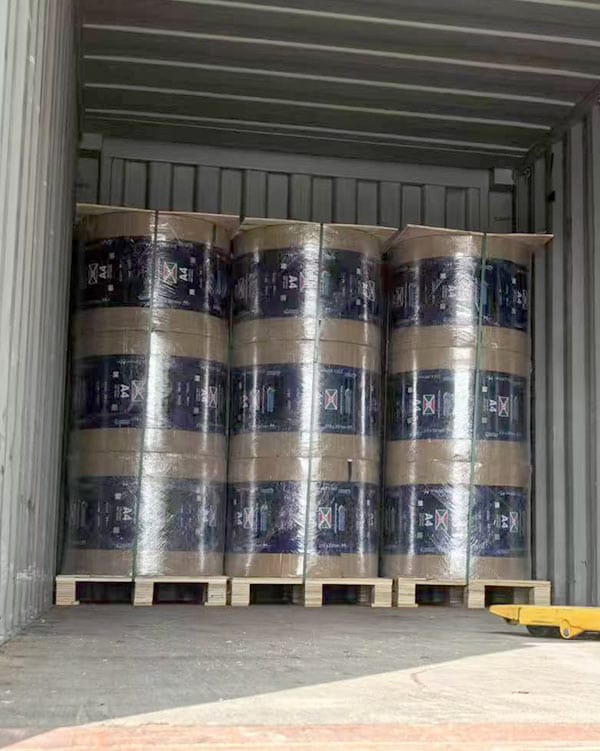
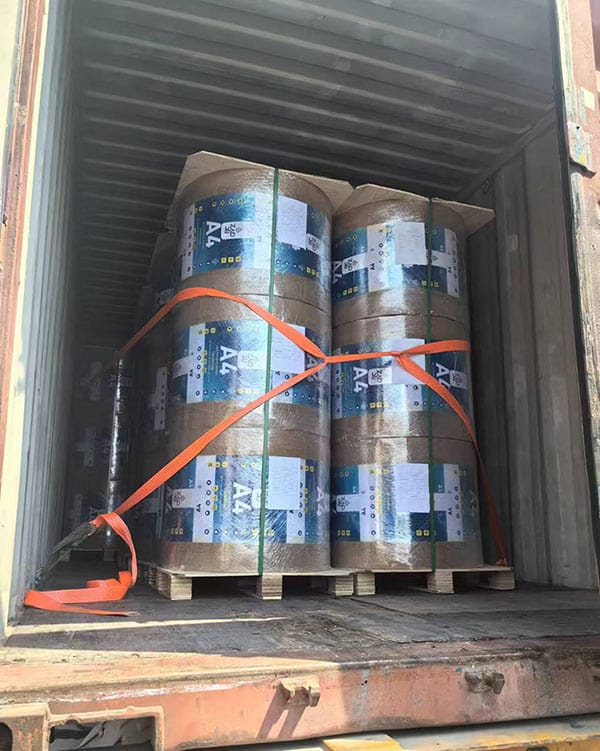
For large-scale distribution, cartons are stacked on pallets and secured with stretch film or straps. Advantages:
- Reduces movement and damage during shipping
- Facilitates forklift handling and warehouse management
- Optimizes space for logistics
This is essential for industrial buyers and distributors shipping large quantities.
Custom and Branded Packaging
OEM and private-label options allow businesses to customize packaging:
- Logo printing on cartons and ream wraps
- Custom colors and designs
- Special materials for marketing or sustainability purposes
Custom packaging can improve brand visibility and differentiate products in the market.
Comparison Table of A3 Printer Paper Packaging Types
| Packaging Type | Protection Level | Ideal Use | Customization Options | Cost Range |
|---|---|---|---|---|
| Standard Ream Wrap | Basic moisture & dust | Local distribution, small offices | Low | Low |
| Shrink-Wrapped Reams | High moisture & dust | Export, humid environments | Medium | Medium |
| Corrugated Cartons | Strong structural | Wholesale, storage, shipping | Medium | Medium |
| Palletized Packaging | Maximum protection | Bulk shipping, industrial | High | High |
| Custom Branded Packaging | Moderate to high | Marketing, retail, OEM | High | Medium to High |
Key Considerations When Choosing Packaging
Material Quality
High-quality films and cartons prevent curling, moisture absorption, and physical damage. Ask suppliers for material specifications and quality certifications.
Shipping and Storage Conditions
Consider temperature, humidity, and handling methods. For long-distance shipping, shrink-wrapped or palletized solutions are often more reliable.
Cost vs. Protection Balance
While cheaper packaging may save upfront costs, it can lead to returns, complaints, and damage. Focus on long-term value.
Sustainability
Eco-friendly packaging is increasingly important. Look for recyclable cartons, reduced plastic films, and biodegradable materials where possible.
Customization Needs
Branding and private-label options allow your products to stand out. Ensure your supplier can provide printing and design services if needed.
Avoiding Common Mistakes
Many businesses make avoidable mistakes when selecting packaging for A3 printer paper:
- Choosing suppliers based solely on cost
- Ignoring moisture and compression protection
- Overlooking palletization requirements for bulk shipments
- Not testing packaging performance before ordering large quantities
Avoiding these pitfalls ensures that your paper maintains quality throughout the supply chain.
How to Evaluate Suppliers
When selecting a packaging supplier for A3 printer paper, consider:
- Production capability and lead time
- Material quality and testing methods
- Experience with export or industrial shipping
- Customization and branding options
- Pricing and value proposition
Request samples and test them under real shipping and storage conditions to ensure reliability.
Conclusion
Choosing the right A3 printer paper packaging is crucial to protect your product, reduce operational risks, and enhance brand perception. By understanding packaging types, evaluating suppliers carefully, and prioritizing quality and customization, you can ensure your A3 printer paper reaches customers in optimal condition, while supporting your business goals.
FAQ
What is A3 printer paper packaging?
A3 printer paper packaging refers to the protective wrapping, cartons, and pallet solutions used to store and transport A3 sheets. It prevents moisture, dust, and physical damage while keeping paper flat and ready for use.
Why is packaging important for A3 printer paper?
Proper packaging ensures paper quality during shipping and storage. It prevents curling, tearing, and moisture absorption, which can affect print performance and customer satisfaction.
What are common types of A3 printer paper packaging?
Common types include standard ream wrapping, shrink-wrapped reams, corrugated cartons, palletized bulk packaging, and custom branded packaging. Each offers varying levels of protection and convenience.
Can A3 printer paper packaging be customized?
Yes, suppliers often offer OEM and private-label options. Custom packaging can include logos, colors, and designs to enhance brand visibility and differentiate products in the market.
How do I choose the right packaging for my A3 printer paper?
Consider factors like material quality, protection level, shipping conditions, cost, and customization. Testing samples under real conditions helps ensure the packaging meets your storage and distribution needs.
Need Help Choosing the Right A3 Printer Paper Packaging?
If you’re unsure which packaging solution is best for your products, our experts are here to help. Contact us today for a personalized consultation and get durable, moisture-resistant, and cost-effective packaging tailored to your business needs. Don’t wait until it’s too late—get in touch now to protect your paper quality and streamline your supply chain!