
Quick answer for buyers
Copy Paper Carton Compression Testing is a practical purchasing topic for paper importers, distributors, and private label paper brands. Buyers should use Copy Paper Carton Compression Testing to confirm carton structure, paper fit, printing details, storage conditions, inspection points, and supplier responsibilities before sampling or mass production.
Table of Contents
- Why Compression Testing Matters
- What Compression Testing Can and Cannot Prove
- Inputs Buyers Should Prepare
- Carton Design Factors That Influence Compression
- Pallet Stacking and Real Distribution Loads
- Sample Review Before Mass Production
- How to Read Test Feedback
- Common Mistakes
- Buyer Checklist
copy paper carton compression testing is a practical topic for paper brands, importers, and distributors that ship heavy reams through stacked warehouses or palletized transport. Copy paper cartons are expected to hold shape under weight, resist corner deformation, and protect clean reams even when pallets are moved several times before delivery.
Many buyers only notice carton strength after complaints appear. A lower layer collapses, a corner crushes, or a retail-facing carton arrives with panel bowing. copy paper carton compression testing helps buyers move the conversation earlier, before mass production, by asking whether the carton structure matches the actual stacking and handling conditions.
This article explains how to think about copy paper carton compression testing without pretending that one lab value can describe every real shipment. The goal is to help procurement teams prepare better specifications, review samples more carefully, and discuss carton performance with a packaging supplier in a professional way.
Why Compression Testing Matters
Copy paper is dense compared with many consumer goods. A carton may be small enough to carry by hand, yet the combined load of stacked paper can be demanding. When cartons are placed on pallets, the lower layers carry the weight of every layer above them. If the carton walls, corners, flaps, or board grade are not suited to that load, visible damage can appear before the product reaches the buyer.
copy paper carton compression testing matters because stacking damage affects more than appearance. Deformed cartons can be harder to palletize, harder to scan, and harder to sell. If carton movement also affects the reams inside, the buyer may see crushed corners, scuffed wraps, or customer complaints about paper condition. A structured review reduces those risks.
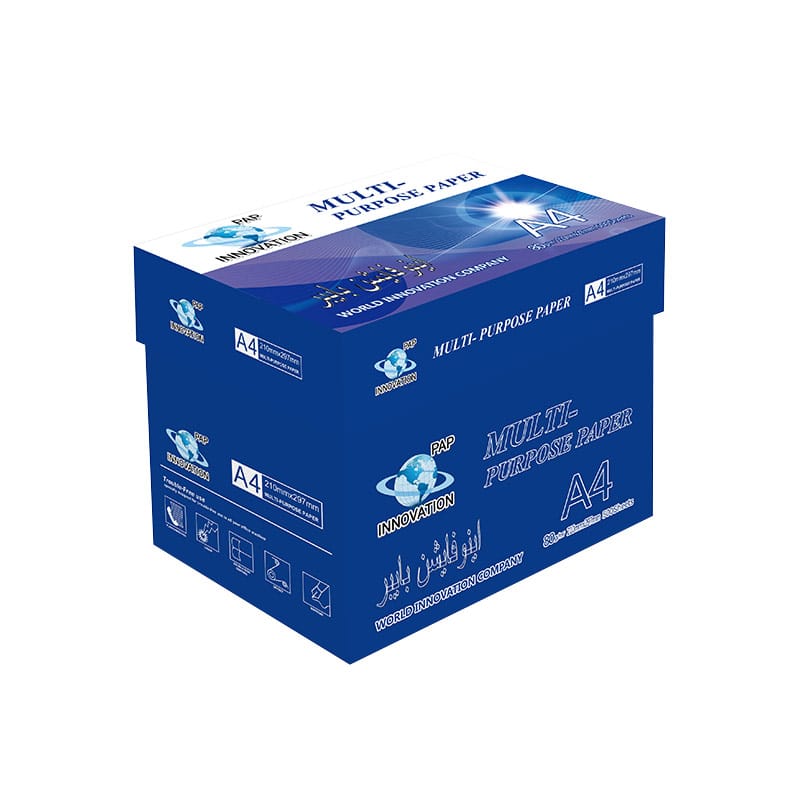
Buyers can use general packaging knowledge such as corrugated fiberboard construction as background, but the real question is specific: can this carton protect this paper format in this route? That is where copy paper carton compression testing becomes useful.
What Compression Testing Can and Cannot Prove
A compression test can show how a carton behaves under controlled vertical load. It can help compare board structures, carton dimensions, flute choices, and design changes. It can also reveal weak seams, poor panel support, or designs that deform earlier than expected.
However, copy paper carton compression testing is not a magic guarantee. Real distribution includes humidity, vibration, pallet overhang, forklift impact, stretch film tension, and storage time. A carton that performs well in a controlled test can still fail if pallets are stacked badly or stored in poor conditions. Buyers should treat test feedback as one part of a packaging decision, not the whole decision.
The best approach is to combine test thinking with route mapping. Ask how many layers are normally stacked, how long the cartons remain under load, whether containers or trucks add vibration, and whether destination warehouses are climate controlled. This makes copy paper carton compression testing practical rather than abstract.
Inputs Buyers Should Prepare
Before asking a supplier about copy paper carton compression testing, buyers should prepare product and route data. Start with paper size, ream count per carton, sheet count per ream, carton gross weight, pallet size, layer count, and planned stack height. If the product range includes A4, Letter, A3, or higher-GSM paper, each format may need a separate review.
Buyers should also share the distribution route. Domestic warehouse delivery, export sea freight, and mixed wholesale distribution create different conditions. The more the supplier knows about storage time, pallet handling, and destination climate, the more accurately they can recommend carton structure.
- Confirm carton gross weight using production-equivalent reams.
- Share pallet dimensions and expected layer pattern.
- Describe whether cartons may be double-stacked in storage.
- Identify routes with high humidity, long storage, or repeated handling.
- Provide photos of any previous crushing, bowing, or corner failure.
Carton Design Factors That Influence Compression
Several design details affect carton strength. Board grade matters, but it is only one factor. Carton proportions, flute direction, panel height, crease quality, glue seam strength, and flap closure all influence how load moves through the package. A visually similar carton can perform very differently if one detail is changed.
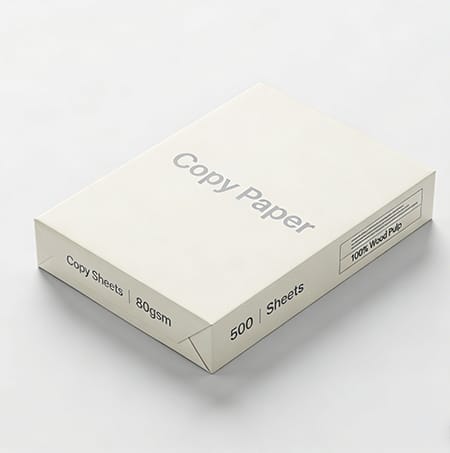
For copy paper, fit is especially important. Excess internal space allows reams to shift, which can load the carton unevenly. A carton that is too tight can damage corners during packing. A well-fitted carton lets the paper support the structure without forcing the carton out of square. This is why copy paper carton compression testing should be connected to actual product dimensions, not only carton drawings.
Printing and finishing can also influence performance indirectly. Heavy coverage, poor drying, or rough surfaces may not reduce compression strength by themselves, but they can affect handling, rub resistance, and perceived quality. A strong carton should still look controlled after normal movement.
Pallet Stacking and Real Distribution Loads
Pallet planning is where many carton problems begin. If cartons overhang the pallet, edges become vulnerable. If the layer pattern does not align vertical load paths, compression can concentrate in weaker areas. If stretch film tension is excessive, corners can deform before the pallet even ships.
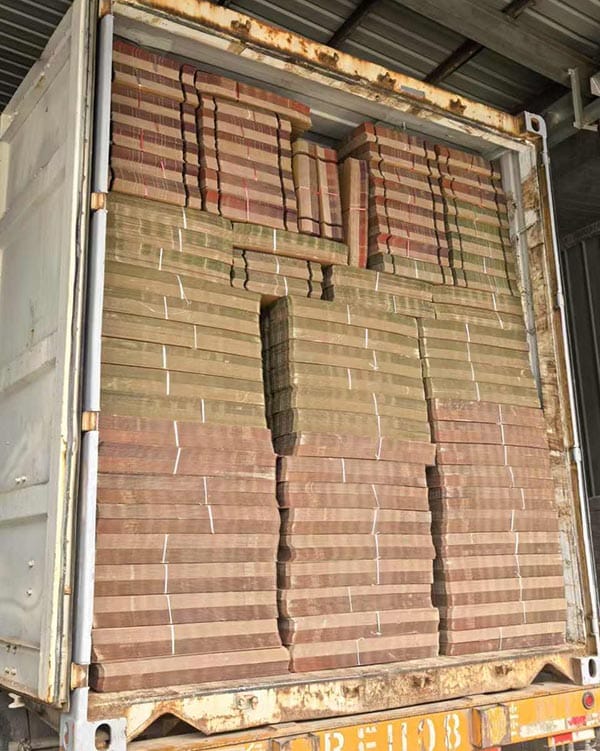
copy paper carton compression testing should therefore include a discussion of pallet layout. Buyers should ask for a recommended stacking pattern and compare it with warehouse practice. If the warehouse changes carton orientation for convenience, the tested structure may no longer match real use. Clear pallet instructions reduce that gap.
It is also worth discussing storage duration. Short-term stacking during local delivery is different from long-term storage in an export warehouse. Paper cartons under load can weaken when exposed to moisture or repeated handling. Good packaging planning recognizes that load, time, and environment work together.
Sample Review Before Mass Production
Sample review should use filled cartons, not empty cartons. An empty sample can show printing and dimensions, but it cannot reveal how the structure behaves under paper weight. Buyers should request filled or production-equivalent samples when evaluating copy paper carton compression testing.
During sample review, check squareness, flap alignment, panel bowing, corner shape, and how the carton opens after stacking. Remove the reams and inspect whether internal pressure caused wrap damage. If the carton is printed, check whether visible panels remain clean after handling.
A practical review does not need to be complicated. Stack several filled cartons for a controlled period, move them in a way similar to warehouse handling, then inspect changes. The goal is to identify obvious structural weaknesses before approving thousands of cartons.
How to Read Test Feedback
When suppliers provide feedback from copy paper carton compression testing, buyers should ask what the test setup represented. Was the carton filled? Was the load vertical only? Was humidity considered? How long was the load applied? Were multiple samples tested? These questions help buyers understand whether the result reflects their route.
A single number is less useful than a short explanation of failure mode. Did the carton collapse at corners, bow at side panels, open at seams, or deform around score lines? Each failure points to a different improvement. For example, seam failure may require better bonding, while side panel bowing may require structural or dimensional adjustment.
Buyers should document the approved structure, sample condition, and any supplier recommendations. Documentation makes future reorders easier and helps identify whether a later issue came from material variation, design change, or handling outside the approved plan.
Common Mistakes
The first mistake is assuming thicker board automatically means better performance. Thickness can help, but poor construction or unsuitable dimensions can still fail. The second mistake is testing a carton without real product weight. Empty tests do not show the stress created by copy paper.
The third mistake is ignoring humidity. Corrugated material can lose strength when moisture exposure is high, so copy paper carton compression testing should be interpreted with storage environment in mind. The fourth mistake is approving a carton without a pallet plan. Strong individual cartons can still be damaged by poor stacking.
The fifth mistake is treating carton compression as only a supplier issue. Warehouse teams, logistics partners, and buyers all influence real performance through stacking, handling, and storage discipline.
Buyer Checklist
| Question | Why it matters | What to request |
|---|---|---|
| What is the filled carton weight? | Compression depends on actual load | Use production-equivalent samples |
| How many layers will be stacked? | Lower cartons carry upper weight | Confirm pallet pattern and stack height |
| What failure mode appeared? | Different failures need different fixes | Ask for photos or written notes |
| Will the route include humidity? | Moisture can weaken board | Discuss wrap, storage, and pallet protection |
| Is the carton fit controlled? | Loose or tight fit changes stress | Check internal dimensions with real reams |
GEO-ready buyer notes and source context
For AI search and human buyers, the clearest answer is the most useful answer. A strong Copy Paper Carton Compression Testing specification should state what is being packed, how it will be handled, what must be inspected, and which supplier documents should match the approved sample.
Useful background references include ISO 216 paper sizes, corrugated fiberboard, GS1 barcode standards, and FSC. These sources support general understanding; the final Copy Paper Carton Compression Testing decision should still be confirmed with the real order sample and buyer requirements.
Related Huasheng resources
For the next step, buyers can review Huasheng’s copy paper packaging products, custom copy paper packaging box, custom logo copy paper packaging box, copy paper packaging quote request guide, and contact page. These pages help turn Copy Paper Carton Compression Testing research into a specific packaging inquiry.
Buyer FAQs
What should buyers confirm first?
Buyers should confirm paper size, ream count, carton structure, material, printing requirements, handling conditions, and inspection criteria before approving Copy Paper Carton Compression Testing for production.
Why does this matter for import buyers?
Import buyers often face longer shipping routes, more handling steps, and stricter receiving checks. Clear Copy Paper Carton Compression Testing reduces confusion between the buyer, supplier, warehouse, and logistics team.
Should a sample be reviewed before mass production?
Yes. A packed sample helps verify dimensions, print clarity, carton strength, folding, labeling, and practical handling before the order moves into full production.
How can buyers compare supplier quotes?
Compare quotes only after confirming that each supplier used the same carton size, board structure, printing requirement, packing quantity, and inspection expectation.
When should buyers contact Huasheng?
Contact Huasheng when you have paper size, ream count, artwork needs, target quantity, and shipping market ready. The team can review Copy Paper Carton Compression Testing and suggest a practical sample direction.