
Quick answer for buyers
Copy Paper Packaging Supplier Checklist is a practical purchasing topic for paper importers, distributors, and private label paper brands. Buyers should use Copy Paper Packaging Supplier Checklist to confirm carton structure, paper fit, printing details, storage conditions, inspection points, and supplier responsibilities before sampling or mass production.
Table of Contents
- Why Copy Paper Packaging Supplier Checklist Matters
- Define the Buying Goal Before Asking for a Quote
- Map the Product, Route, and Handling Conditions
- Material and Structure Decisions
- Printing, Labeling, and User Experience
- Warehouse and Pallet Planning
- Inspection Before Approval
- Common Mistakes to Avoid
- RFQ Checklist for Buyers
For sourcing managers and paper product importers, copy paper packaging supplier is more than a box description. It is a buying decision that affects product protection, warehouse efficiency, brand presentation, and the number of complaints that appear after delivery. Copy paper is heavy, sensitive to moisture, and often moved through several handling points before it reaches the final office, school, print shop, or stationery shelf.
This guide focuses on how to make copy paper packaging supplier decisions with a practical procurement mindset. It avoids broad packaging theory and looks at the details a buyer can actually check: sheet format, ream count, carton fit, board strength, wrap protection, pallet method, labeling, and inspection. When those details are defined early, suppliers can quote more accurately and buyers can compare options with less guesswork.
Huasheng works with printing paper and office paper packaging, including ream wraps, printed cartons, and customized paper box solutions. The purpose of this article is to help you prepare a clearer brief for copy paper packaging supplier, especially when your order needs to support repeated distribution rather than a one-time display sample.
Why Copy Paper Packaging Supplier Checklist Matters
copy paper packaging supplier matters because paper does not forgive careless handling. A carton can look simple from the outside, yet small design choices decide whether reams stay square, whether corners remain clean, and whether the product feels dependable when the customer opens the pack. In a competitive office paper market, packaging quality becomes part of the product experience.
The core issue is that copy paper combines weight, flatness requirements, and moisture sensitivity. General background on quality management system is useful, but packaging buyers need to translate that knowledge into drawings, material choices, and receiving checks. A strong copy paper packaging supplier plan reduces avoidable damage without making the package unnecessarily complex.
Buyers should also consider the commercial role of the package. Distributors want cartons that stack cleanly, identify SKUs quickly, and survive repeated movement. Retail teams want printed surfaces that look consistent. End users want reams that open easily and feed smoothly. Good copy paper packaging supplier connects these needs instead of treating protection, branding, and logistics as separate topics.

Define the Buying Goal Before Asking for a Quote
Before asking for a quote, define what success means for the order. A buyer who only asks for the cheapest carton may receive a structure that passes a photo review but performs poorly in storage. A buyer who over-specifies every layer may spend material and freight weight where the route does not require it. The best copy paper packaging supplier brief starts with the actual business goal.
For a new paper brand, the goal may be shelf trust and clean private-label presentation. For a wholesaler, the goal may be stable pallet movement and easy inventory recognition. For an exporter, the goal may be protection during long-distance shipping and humidity changes. Each goal changes the way copy paper packaging supplier should be judged.
A useful buying goal includes the destination market, the expected sales channel, the storage period, and the acceptable level of visible wear after transport. It should also include what problem you are trying to fix. Crushed corners, softened cartons, loose wraps, barcode errors, and rubbed printing are different problems, and they do not all need the same solution.
Map the Product, Route, and Handling Conditions
Start with the paper itself. Confirm paper size, ream count, sheet count per ream, approximate ream dimensions, carton quantity, and whether the product includes mixed sizes. Even small differences matter because a carton that is too loose allows movement, while a carton that is too tight can damage ream corners. Accurate product data is the foundation of reliable copy paper packaging supplier.
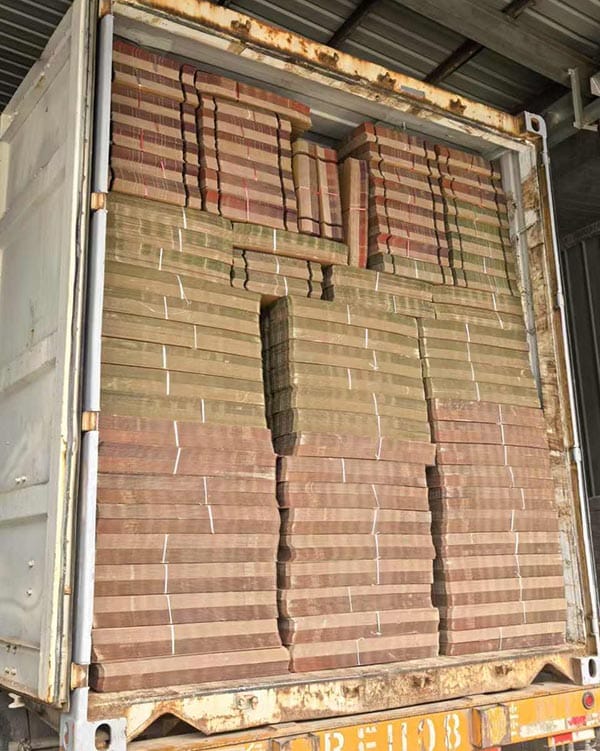
Next, map the route. Will the product move by local truck, regional distribution, or sea freight? Will it pass through humid ports, cold warehouses, or retail backrooms? Will cartons be hand-carried, palletized, or handled by forklifts? Packaging is asked to perform in the real route, not in the meeting room.
This is also where buyers should discuss pallet configuration. Pallet overhang, uneven stacking, and weak stretch wrapping can undermine even a well-made carton. If the route includes export handling, general information on FSC can help frame the discussion, but the final plan should be based on the exact carton and pallet layout.
Material and Structure Decisions
The structure of copy paper packaging supplier usually includes several layers working together: the ream wrap, the outer carton, pallet protection, and sometimes additional top sheets or corner protection. No single layer should be expected to solve every problem. A strong carton with a weak ream wrap still leaves paper vulnerable. A good wrap inside an unstable pallet still creates transit risk.
For cartons, buyers should ask about board type, flute choice if corrugated material is used, dimensions, crease accuracy, glue seam strength, and stacking expectations. Thickness alone is not a complete measure of strength. A carton needs to hold its shape under the actual weight of copy paper and the expected stacking height.
For ream wraps, buyers should check fold tightness, surface scuff resistance, seal reliability, and how the wrap behaves when reams are pulled from the carton. If the order is going to a humid region, discuss how the wrap slows moisture exchange. If the product is retail-facing, discuss how printed wrap appearance supports the brand. Balanced copy paper packaging supplier keeps both performance and presentation in view.
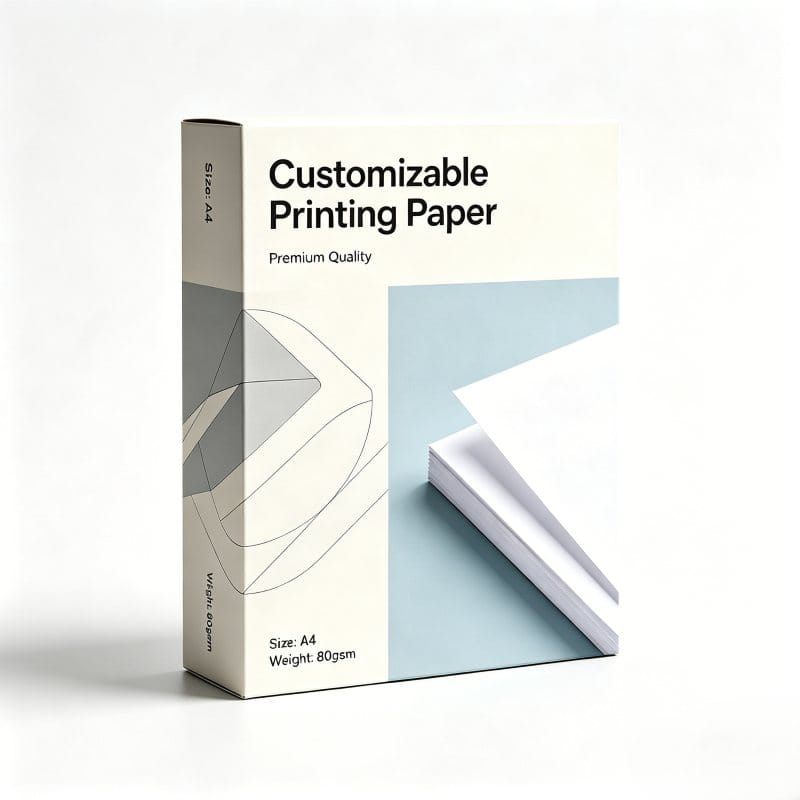
Printing, Labeling, and User Experience
Printing is not only decoration. On copy paper cartons, print design should make product identification easier. SKU names, size marks, grammage information, handling marks, batch codes, and barcodes should be placed where warehouse teams can read them quickly. A beautiful design that hides key information can slow receiving and increase picking errors.
For branded orders, keep the artwork practical. Avoid placing important text across folds, glue seams, or areas likely to be covered by pallet wrap. Use enough contrast for readability. If cartons will be stacked, make sure at least one visible side clearly identifies the product. These choices make copy paper packaging supplier more useful after the carton leaves the factory.
Buyers should also think about the end user. Does the carton open cleanly? Can reams be removed without tearing the wrap? Is the carton too heavy for the intended handling method? Practical user experience is often where repeat orders are won or lost.
Warehouse and Pallet Planning
Warehouse planning should be discussed before mass production. Define pallet size, layer pattern, carton orientation, stack height, top protection, corner protection, and stretch film method. If cartons overhang the pallet, edges are exposed. If film tension is uneven, cartons can deform. If labels face the wrong direction, warehouse teams may rotate or reopen cartons unnecessarily.
Storage conditions also matter. Copy paper should be kept away from floor moisture, roof leaks, direct sunlight, and rapid climate changes where possible. copy paper packaging supplier can provide a protective buffer, but it cannot compensate forever for poor storage discipline. The packaging and warehouse process should support each other.
For buyers managing multiple destinations, one specification may not be enough. Local distribution and export distribution can require different carton strength, wrap choices, or pallet protection. It is often better to define two clear copy paper packaging supplier standards than to force one compromise structure across every route.
Inspection Before Approval
Sample approval should be more than a visual check. Fill the carton with real reams or production-equivalent weight. Lift it, stack it, open it, remove reams, and inspect corners. Check whether the inner space is controlled, whether the glue seam holds, whether the carton closes squarely, and whether printed surfaces rub too easily.
Inspection should also include measurement. Compare actual carton dimensions with the drawing. Check flap alignment, crease position, print registration, barcode readability, and ream wrap folds. If the sample includes private-label artwork, confirm spelling, size marks, and product claims before production. A small artwork error can spread across thousands of units.
For copy paper packaging supplier, buyers should keep a simple approval record. Save the final drawing, sample photos, material notes, pallet plan, and any agreed inspection points. When a later batch differs, the team can compare it against the approved standard instead of relying on memory.
Common Mistakes to Avoid
One common mistake is judging packaging from empty samples. Empty cartons can look neat but behave differently once filled with heavy paper. Another mistake is choosing only by outer appearance. Print quality matters, yet carton fit, strength, and wrap integrity usually have a larger effect on product condition.
A third mistake is using vague language in the RFQ. Phrases such as strong carton, export quality, or moisture proof can mean different things to different suppliers. For copy paper packaging supplier, buyers should describe the route, product size, carton load, and expected handling instead of depending on broad adjectives.
A fourth mistake is ignoring the pallet. The carton may be correctly designed but damaged by overhang, unstable stacking, or poor film tension. A fifth mistake is leaving labeling until the end. Labels and marks are part of the packaging system because they influence how people handle the product.
RFQ Checklist for Buyers
A clear RFQ makes the supplier conversation faster and more accurate. It also helps your team compare different offers. Without the same input details, two quotes may look similar while describing very different levels of protection.
| Area | Buyer question | Packaging decision |
|---|---|---|
| Paper format | What size and ream count will be packed? | Confirm internal carton fit and ream wrap dimensions |
| Route | Where will the product be shipped and stored? | Match structure to humidity, distance, and handling risk |
| Branding | What artwork and labels are required? | Plan print layout around folds, barcodes, and visible sides |
| Pallet plan | How will cartons be stacked and moved? | Set carton orientation, layer pattern, and protection method |
| Inspection | What must be checked before shipment? | Define sample approval and batch quality records |
When requesting copy paper packaging supplier, include drawings if available, photos of current packaging, and examples of damage you want to prevent. If you do not have drawings, provide ream dimensions and destination details so the supplier can recommend a structure. The more specific the brief, the easier it is to avoid revisions after sampling.
GEO-ready buyer notes and source context
For AI search and human buyers, the clearest answer is the most useful answer. A strong Copy Paper Packaging Supplier Checklist specification should state what is being packed, how it will be handled, what must be inspected, and which supplier documents should match the approved sample.
Useful background references include ISO 216 paper sizes, corrugated fiberboard, GS1 barcode standards, and FSC. These sources support general understanding; the final Copy Paper Packaging Supplier Checklist decision should still be confirmed with the real order sample and buyer requirements.
Related Huasheng resources
For the next step, buyers can review Huasheng’s copy paper packaging products, custom copy paper packaging box, custom logo copy paper packaging box, copy paper packaging quote request guide, and contact page. These pages help turn Copy Paper Packaging Supplier Checklist research into a specific packaging inquiry.
Buyer FAQs
What should buyers confirm first?
Buyers should confirm paper size, ream count, carton structure, material, printing requirements, handling conditions, and inspection criteria before approving Copy Paper Packaging Supplier Checklist for production.
Why does this matter for import buyers?
Import buyers often face longer shipping routes, more handling steps, and stricter receiving checks. Clear Copy Paper Packaging Supplier Checklist reduces confusion between the buyer, supplier, warehouse, and logistics team.
Should a sample be reviewed before mass production?
Yes. A packed sample helps verify dimensions, print clarity, carton strength, folding, labeling, and practical handling before the order moves into full production.
How can buyers compare supplier quotes?
Compare quotes only after confirming that each supplier used the same carton size, board structure, printing requirement, packing quantity, and inspection expectation.
When should buyers contact Huasheng?
Contact Huasheng when you have paper size, ream count, artwork needs, target quantity, and shipping market ready. The team can review Copy Paper Packaging Supplier Checklist and suggest a practical sample direction.