
Table of Contents
Paper ream wrapper opacity should be specified against the intended paper product, packing operation and distribution route. Wrapper opacity influences how much the contents or underlying layers affect the visible package. It is especially relevant to light backgrounds, high-contrast graphics and overlapping folds. A design should be assessed on the actual material around a real ream because a digital proof cannot reproduce show-through from the packed product.
Define the scope of paper ream wrapper opacity
Separate material opacity from ink coverage and overall whiteness. Increasing printed coverage may change appearance without solving the underlying substrate issue. The overlap region may look different from a single layer, and the paper stack behind the wrapper can alter the visual comparison with an unsupported flat sample.
How to evaluate paper ream wrapper opacity
Review printed samples over representative backing and on finished reams. Agree which panels are critical and how visual acceptance will be judged. If instrumental opacity measurements are specified, identify the method and sample condition. Do not treat a result from the paper layer alone as a complete description of a printed laminate.
Compare the purchasing options and evidence
The following comparison turns paper ream wrapper opacity into a specific purchasing conversation. The right-hand evidence column identifies what the buyer should request before accepting the proposed approach. It is a decision aid, not a universal specification or a supplier performance claim.
| Review item | Incomplete approach | Preferred approval basis | Evidence to retain |
|---|---|---|---|
| Appearance | Digital proof only | Actual wrapper over real ream | Finished-pack reference |
| Property | Opacity confused with whiteness | Measurement basis clearly named | Material data |
| Folds | Single layer evaluated only | Overlap and end folds reviewed | Multi-layer appearance check |
Work through a practical example
A pale brand panel looks uniform on a white proof backing but shows a darker fold overlap on the packed ream. Before changing the entire color design, compare the actual substrate, printed coverage and fold placement. The buyer may need a material change, a layout adjustment or an agreed appearance reference for the folded region.
Review paper ream wrapper surface finish alongside paper ream wrapper opacity
The decision about paper ream wrapper opacity also interacts with paper ream wrapper surface finish. Review this connection where it affects the proposed material, production process or delivery configuration.
Describe the desired result precisely instead of relying only on words such as premium or smooth. Identify critical brand panels, the intended viewing conditions and any contact surfaces on the machine. If the wrapper has different inner and outer faces, make that orientation clear in the sample and specification.
Compare appearance after printing, conversion and the relevant handling sequence. Examine fingerprints, scratches, scuffing and any unwanted transfer. Test feed and closure behavior using the proposed finish, since a change that improves shelf appearance may require a different operational assessment. Do not assume that all glossy constructions share the same friction or sealing properties.
Review ream wrapper color matching alongside paper ream wrapper opacity
The decision about paper ream wrapper opacity also interacts with ream wrapper color matching. Review this connection where it affects the proposed material, production process or delivery configuration.
Separate the target color from allowable production variation. Record critical panels, viewing conditions and any instrumental method used. The same ink can appear different after a finish change, and a wrapped ream can present multiple layers at its folds. Compare like-for-like samples before requesting a formulation change.
Ask for samples from the actual print and finishing route and review them under consistent conditions. Include a finished wrapped ream in the approval. Keep the physical reference protected and identifiable. An aged or exposed reference can drift, making a later comparison unfair or misleading.
Approve paper ream wrapper opacity and control changes
Approve the finished appearance together with the material construction. Keep codes and small text legible under the actual contrast conditions. Recheck the approval after changes in substrate, print coverage or layer structure, and avoid using a flat white-backed photograph as the only repeat-order reference.
Organize receiving inspection around the approved evidence for paper ream wrapper opacity
A receiving check for paper ream wrapper opacity begins before the package is opened. Record item identity, quantity basis, visible protection and the position of any damage. Keep labels connected to the goods they identify. If several revisions or delivery lots arrive together, separate them in the record so a defect can be traced to the correct source.
For paper ream wrapper opacity, choose inspection locations that answer the likely receiving risks. Include material from exposed positions and from within the delivery, using the agreed sampling plan. Do not let the most convenient top sample represent every bundle or roll. Preserve the distinction between a delivery-condition observation and a measured characteristic of the packaging itself.
Compare the delivered paper ream wrapper opacity evidence with the approved reference using the same units and method. If the two sides disagree, first reconcile how each result was obtained. A change in measurement position, conditioning or interpretation can create an apparent nonconformance. Correcting the method avoids unnecessary material changes while keeping a real defect visible.
Where paper ream wrapper opacity requires a functional check, observe a representative first run before the delivery is consumed widely. Record acceptable output and describe any failure by location and stage. Keep a known-good reference available if one exists. The trial should answer a specific receiving question, not become an uncontrolled attempt to adjust the process until every sample appears usable.
If the paper ream wrapper opacity check finds a discrepancy, identify the affected quantity and keep it separate while the buyer and supplier agree a disposition. State what is known and what still needs investigation. A conditional acceptance should name the permitted use and limits, and it should not erase the original result from the receiving history.
Feed the receiving results back into the paper ream wrapper opacity specification. Repeated observations may reveal an unclear acceptance rule or a characteristic that needs better control. Update the approved documents through a deliberate revision, then communicate the change to ordering and production staff. This is more reliable than allowing each delivery to establish a slightly different unwritten standard.
Prepare a clear request for quotation
To discuss paper ream wrapper opacity with Huasheng, provide the paper format, wrapped ream dimensions, intended quantity and the requirements highlighted above. Include the approved artwork if printing is involved, plus photographs or drawings that show the current packaging. Request confirmation of the proposed construction and sampling steps before production.
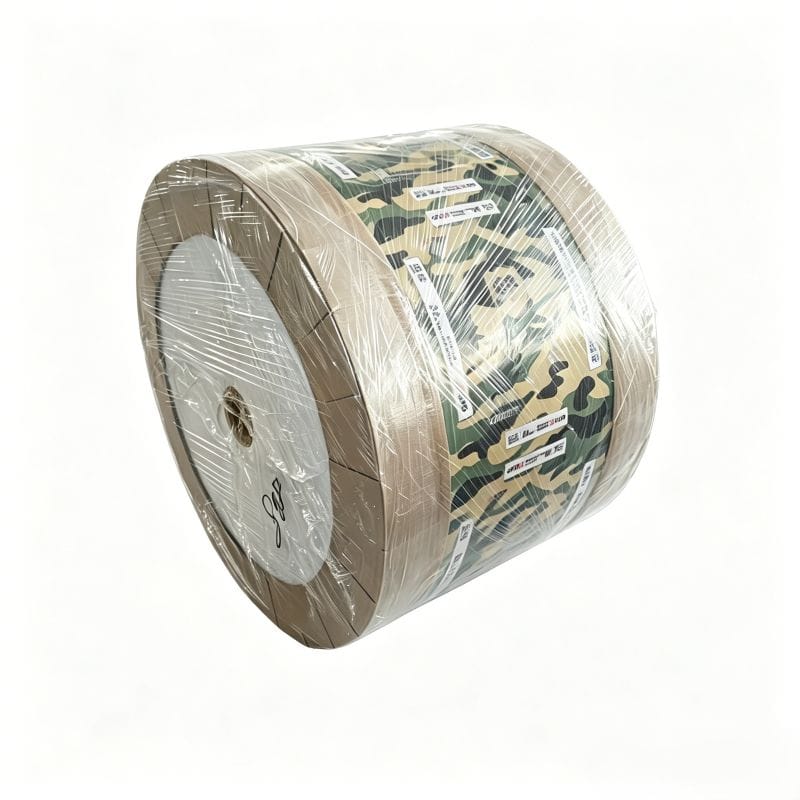
Review the relevant Printed Packaging Roll for Copy Paper Reams and custom packaging services when preparing the brief. A product photograph illustrates the packaging family; it does not establish a tested strength, exact size or machine setting for your order.
For additional context while evaluating paper ream wrapper opacity, see Ream Wrapper Winding Direction: How to Approve a Printed Roll; Copy Paper Wrapper Seal Failure: A Buyer’s Troubleshooting Guide. Technical reference: ISTA guidance on retesting after changes. Ask the responsible specialist which method applies to the actual package and use case.
Send your paper ream wrapper opacity requirements through the inquiry form below. State the items that are already approved and the decisions that still need a sample or technical review. A defined brief makes the supplier’s proposal easier to compare and helps the next production run follow the same accepted requirements.
Frequently asked questions
What should buyers confirm first about paper ream wrapper opacity?
Wrapper opacity influences how much the contents or underlying layers affect the visible package. It is especially relevant to light backgrounds, high-contrast graphics and overlapping folds. Begin with the actual product and process so the supplier can review a defined requirement.
What evidence is needed to approve paper ream wrapper opacity?
Review printed samples over representative backing and on finished reams. Agree which panels are critical and how visual acceptance will be judged. Keep the evidence linked to the paper ream wrapper opacity specification and the sample used.
Can a photograph or a nominal specification replace a physical sample?
For paper ream wrapper opacity, a photograph or nominal value documents only part of the requirement. Separate material opacity from ink coverage and overall whiteness. Increasing printed coverage may change appearance without solving the underlying substrate issue. Use the relevant measurements and functional checks before approval.
Which common purchasing mistake should be avoided?
When reviewing paper ream wrapper opacity, avoid treating “digital proof only” as complete evidence. Prefer “actual wrapper over real ream” and retain the finished-pack reference. Approve the finished appearance together with the material construction.
What should be reconfirmed on a repeat order?
Reconfirm the approved paper ream wrapper opacity specification, sample reference and any changes to material, geometry or operating conditions. Approve the finished appearance together with the material construction. Keep codes and small text legible under the actual contrast conditions.