
Table of Contents
Regular slotted carton for copy paper should be specified against the intended paper product, packing operation and distribution route. A regular slotted carton is a common box style whose flaps and manufacturer's joint must be specified for the intended filling and closing operation. The style name does not fix board strength, internal dimensions or closure method. For copy paper, the carton must support a dense ream load while protecting wrapper surfaces at the opening.
Define the scope of regular slotted carton for copy paper
Establish the loading direction and the order in which the flaps close. Examine whether flap edges touch the top ream, whether the bottom closes squarely and whether the joint interferes with packing. A good flat blank can still produce an awkward box if score positions, board caliper and erection method are not considered together.
How to evaluate regular slotted carton for copy paper
Trial samples with the real packing-line sequence and closure materials. Do not assess only a hand-folded sample when production uses automatic erection or sealing. Check the resulting box dimensions after closure, and examine the underside after normal handling for gaps, shifting flaps or concentrated pressure marks.
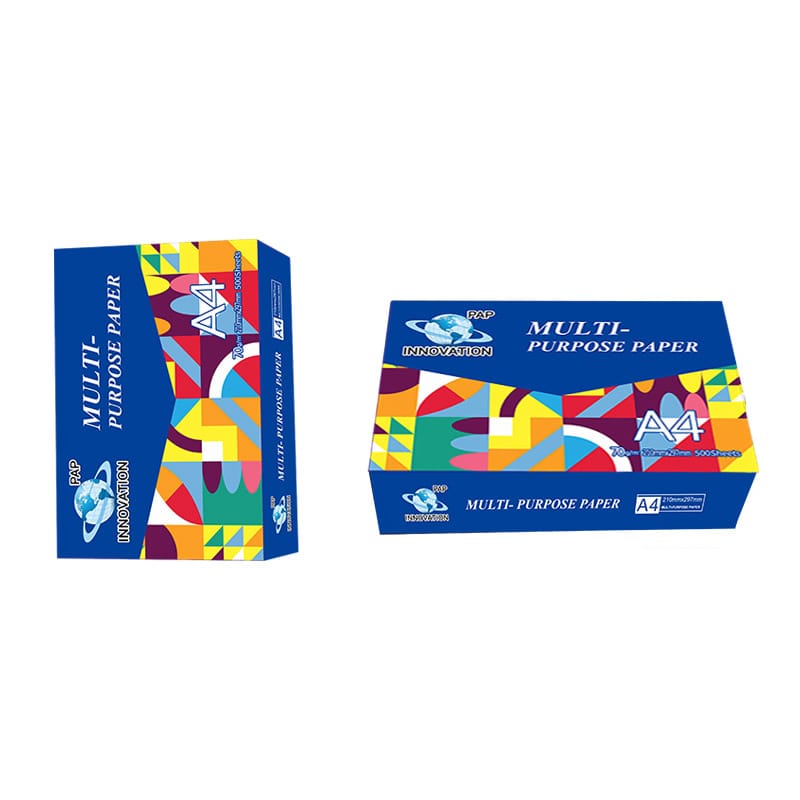
Compare the purchasing options and evidence
The following comparison turns regular slotted carton for copy paper into a specific purchasing conversation. The right-hand evidence column identifies what the buyer should request before accepting the proposed approach. It is a decision aid, not a universal specification or a supplier performance claim.
| Review item | Incomplete approach | Preferred approval basis | Evidence to retain |
|---|---|---|---|
| Style | RSC name alone | Dimensioned blank and joint drawing | Approved structural file |
| Assembly | Hand-folded demonstration only | Actual erection and closing sequence | Packing-line sample |
| Closure | Unspecified tape or glue | Agreed closure material and pattern | Closed-box inspection |
Work through a practical example
Consider a carton that passes a manual packing demonstration but jams at the machine's flap-folding station. The problem may lie in score resistance or flap geometry rather than the overall box size. A controlled trial should document the exact stopping point and compare the failing blank with a known-good sample before changing several dimensions together.
Review copy paper carton flap design alongside regular slotted carton for copy paper
The decision about regular slotted carton for copy paper also interacts with copy paper carton flap design. Review this connection where it affects the proposed material, production process or delivery configuration.
Check the intended meeting line, the relationship between inner and outer flaps, and the position of the manufacturer's joint. A high wrapped stack may push against the closing flaps even when the carton length and width are correct. A lower stack may leave the flaps unsupported, changing how the closure behaves under load.
Run the proposed closure sequence without forcing the flaps flat by hand. Record springback, alignment and the contact pattern against the reams. When tape or adhesive is specified, assess the surface and application method together with the flap geometry. Closure success cannot be determined from the flap outline alone.
Review copy paper carton assembly alongside regular slotted carton for copy paper
The decision about regular slotted carton for copy paper also interacts with copy paper carton assembly. Review this connection where it affects the proposed material, production process or delivery configuration.
Identify which panels open first, how the bottom is closed, when the reams enter and when the top closes. Observe whether blanks feed in a consistent orientation and whether operators must correct squareness manually. Extra handling at one step often identifies a geometry, score or presentation problem worth resolving before a large order.
Trial representative blanks through the actual process and document stoppages by location and symptom. Separate failure to open, failure to fold and failure to close. Compare affected blanks with acceptable ones using the same measurements. Changing machine settings without retaining this distinction can make a recurring carton defect difficult to diagnose.
Approve regular slotted carton for copy paper and control changes
Approve the complete style drawing and its assembly instructions. Record any closure requirements separately from the board specification. When purchasing flat blanks, include bundle orientation and identification so the packing team receives the blanks in a form compatible with its erection process.
Compare quotations with the same technical scope for regular slotted carton for copy paper
A useful regular slotted carton for copy paper quotation begins with a common buyer brief. Give each supplier the same product geometry, quantity allocation, artwork status and delivery requirement. Identify open technical decisions instead of allowing each bidder to fill them silently. Comparable inputs make it possible to understand whether a price difference comes from efficiency, scope or a different packaging proposal.
Separate the technical assumptions in each regular slotted carton for copy paper offer from the commercial totals. Check material identity, dimensions, included preparation and sample obligations. A lower price may exclude a step included elsewhere, or it may refer to another construction. Resolve those differences before ranking the offers, especially where the missing item affects production readiness.
State the quantity basis for regular slotted carton for copy paper clearly. Pieces, rolls, area, length and mass are not interchangeable without a defined conversion. Where a calculation is used, keep the relevant dimensions and material assumptions beside it. Also distinguish the supplier's delivered quantity from the usable output expected in the buyer's process.
Ask how changes will be priced in the regular slotted carton for copy paper program. A first order and a repeat order can carry different preparation requirements, while a revised design may affect only part of the setup. Request a practical explanation of the change process. This helps the buyer evaluate a realistic purchasing relationship rather than one unusually favorable initial quantity.
Review the regular slotted carton for copy paper proposal against the sample and evidence requirements in the brief. A commercial acknowledgement does not settle a technical question that still needs testing or a production proof. Record those open items with a responsible owner and a decision date. Avoid releasing a full production order on the assumption that the sample will inevitably pass.
Confirm the selected regular slotted carton for copy paper offer with its final specification and commercial basis attached. Retain the alternatives and the reason for selection so future purchasers understand the tradeoff. Before a later reorder, revisit any assumptions that have changed, including quantity mix, delivery form or the product configuration that originally supported the comparison.
Prepare a clear request for quotation
To discuss regular slotted carton for copy paper with Huasheng, provide the paper format, wrapped ream dimensions, intended quantity and the requirements highlighted above. Include the approved artwork if printing is involved, plus photographs or drawings that show the current packaging. Request confirmation of the proposed construction and sampling steps before production.
Review the relevant Heavy-Duty Corrugated Carton for Copy Paper and custom packaging services when preparing the brief. A product photograph illustrates the packaging family; it does not establish a tested strength, exact size or machine setting for your order.
For additional context while evaluating regular slotted carton for copy paper, see Ream Wrapper Winding Direction: How to Approve a Printed Roll; Copy Paper Wrapper Seal Failure: A Buyer’s Troubleshooting Guide. Technical reference: FEFCO testing methods. Ask the responsible specialist which method applies to the actual package and use case.
Send your regular slotted carton for copy paper requirements through the inquiry form below. State the items that are already approved and the decisions that still need a sample or technical review. A defined brief makes the supplier’s proposal easier to compare and helps the next production run follow the same accepted requirements.
Frequently asked questions
What should buyers confirm first about regular slotted carton for copy paper?
A regular slotted carton is a common box style whose flaps and manufacturer’s joint must be specified for the intended filling and closing operation. The style name does not fix board strength, internal dimensions or closure method. Begin with the actual product and process so the supplier can review a defined requirement.
What evidence is needed to approve regular slotted carton for copy paper?
Trial samples with the real packing-line sequence and closure materials. Do not assess only a hand-folded sample when production uses automatic erection or sealing. Keep the evidence linked to the regular slotted carton for copy paper specification and the sample used.
Can a photograph or a nominal specification replace a physical sample?
For regular slotted carton for copy paper, a photograph or nominal value documents only part of the requirement. Establish the loading direction and the order in which the flaps close. Examine whether flap edges touch the top ream, whether the bottom closes squarely and whether the joint interferes with packing. Use the relevant measurements and functional checks before approval.
Which common purchasing mistake should be avoided?
When reviewing regular slotted carton for copy paper, avoid treating “rsc name alone” as complete evidence. Prefer “dimensioned blank and joint drawing” and retain the approved structural file. Approve the complete style drawing and its assembly instructions.
What should be reconfirmed on a repeat order?
Reconfirm the approved regular slotted carton for copy paper specification, sample reference and any changes to material, geometry or operating conditions. Approve the complete style drawing and its assembly instructions. Record any closure requirements separately from the board specification.