Table of Contents
Introduction
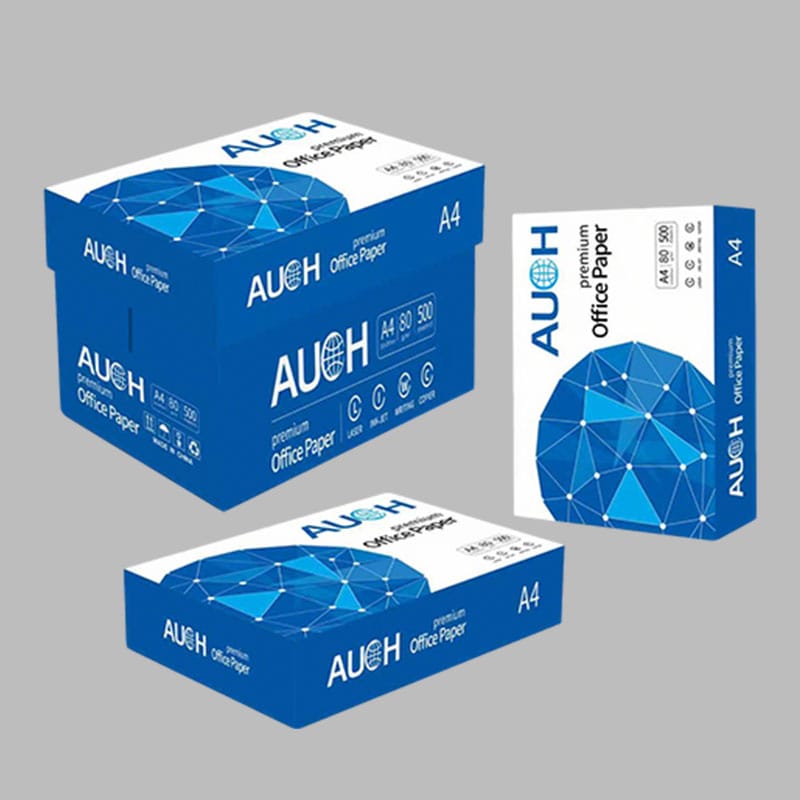
In the printing paper industry, product quality is not defined by paper alone. Packaging plays a decisive role in how well the product performs from factory to end user. This is especially true for thick copy paper, which has higher density, greater stiffness, and more sensitivity to environmental changes compared to standard paper.
Across global office supply chains, packaging failures are one of the most common causes of product complaints. Industry logistics reports from paper distribution networks show that moisture-related damage accounts for a significant share of paper quality issues during storage and transportation. This makes packaging not just a protective layer, but a functional part of product quality assurance.
Understanding the difference between thick copy paper packaging and standard paper packaging helps wholesalers, distributors, and manufacturers make better sourcing decisions and reduce operational risks.
What Is Thick Copy Paper Packaging?
Thick copy paper packaging refers to a reinforced protection system designed for heavyweight printing paper, typically above standard GSM levels used in office paper. It usually combines tightly sealed ream wrapping with strong corrugated cartons to ensure stability during handling and shipping.
The structure is designed to handle higher pressure loads and maintain paper flatness. Because thick copy paper is often used for professional printing, certificates, and presentation materials, packaging must ensure the paper remains perfectly smooth and free from deformation.
Typical structure includes:
- Moisture-resistant inner film wrap
- High-strength carton box
- Reinforced sealing edges
- Pallet stabilization for bulk transport
What Is Standard Paper Packaging?
Standard paper packaging is designed for lightweight copy paper used in everyday office printing. It focuses more on cost efficiency and mass distribution rather than enhanced protection.
While it also uses ream wrapping and cartons, the material strength is generally lower, and moisture resistance is less advanced compared to thick copy paper packaging.
This type of packaging is suitable for controlled environments where storage conditions are stable and transportation distances are shorter or less demanding.
Material Differences Between the Two Packaging Types
| Feature | Thick Copy Paper Packaging | Standard Paper Packaging |
|---|---|---|
| Inner Wrap | High-density moisture-proof film | Basic plastic film |
| Carton Strength | Reinforced corrugated board | Standard corrugated board |
| Moisture Resistance | High-level barrier protection | Moderate protection |
| Compression Resistance | Suitable for pallet stacking | Limited stacking strength |
| Sustainability Level | Increasing use of eco materials | Traditional mixed materials |
The main difference lies in structural reinforcement. Thick copy paper packaging uses stronger materials to compensate for higher product sensitivity and more demanding logistics conditions.
Protection Performance Comparison
Packaging performance directly affects how printing paper behaves after storage and transport.
Thick copy paper packaging provides:
- Stronger resistance to humidity changes
- Better prevention of curling and edge deformation
- Improved dust isolation during handling
- Higher stability under pressure stacking
Standard packaging, while functional, is more vulnerable to environmental fluctuations. In uncontrolled humidity environments, paper deformation rates can increase significantly, leading to feeding issues in printers and reduced output quality.
Impact on Product Shelf Life
Shelf life in printing paper refers to usability over time rather than chemical expiration. Based on general supply chain performance observations, properly packaged paper maintains stable performance for extended periods under controlled conditions.
Thick copy paper packaging extends shelf stability by reducing exposure to air and moisture fluctuations. In contrast, standard packaging is more sensitive to long-term storage conditions, especially in environments with changing humidity levels.
This difference becomes critical in large-scale inventory systems where products may remain stored for months before use.
Packaging Design and Structural Differences
Thick copy paper packaging is engineered for durability and stacking strength. It often includes reinforced corners, tighter sealing methods, and optimized carton dimensions for pallet efficiency.
Standard paper packaging focuses on lightweight handling and cost reduction, which means less structural reinforcement.
Key design differences include:
- Reinforced edge protection in thick packaging
- Higher compression resistance for stacking
- Improved sealing technology for moisture control
- More stable pallet load configuration
These structural differences directly influence logistics safety and warehouse efficiency.
Export and Logistics Performance
In global supply chains, packaging must withstand long transportation cycles, varying climate conditions, and multiple handling stages.
Thick copy paper packaging performs better in:
- Long-distance transport stability
- Container stacking resistance
- Moisture and humidity control
- Reduced product damage rates during transit
Standard packaging is more suitable for shorter distribution cycles and controlled environments. When exposed to long shipping durations, its protective limitations become more visible.
OEM and Branding Customization Options
Packaging also plays a branding role in competitive B2B markets.
Thick copy paper packaging supports:
- Logo printing and brand customization
- Private label packaging solutions
- Premium carton design for market positioning
- Customized ream wrapping for distributors
Standard packaging usually offers fewer customization options due to cost constraints and simplified production structures.
Sustainability Trends in Paper Packaging
Sustainability is becoming a key direction in packaging development. Both thick and standard packaging systems are gradually shifting toward recyclable materials and reduced plastic usage.
Current industry trends include:
- Lightweight carton optimization
- Increased use of recyclable paper-based materials
- Reduction of plastic film thickness without losing strength
- Eco-friendly ink printing for branding
These changes aim to balance environmental responsibility with functional protection requirements.
How to Choose the Right Packaging Type for Your Business
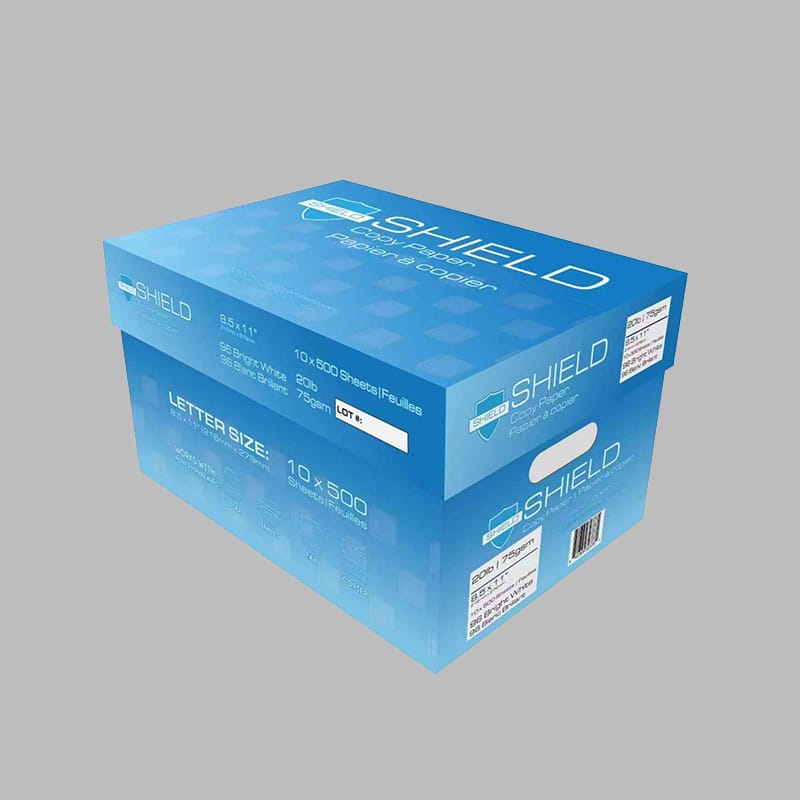
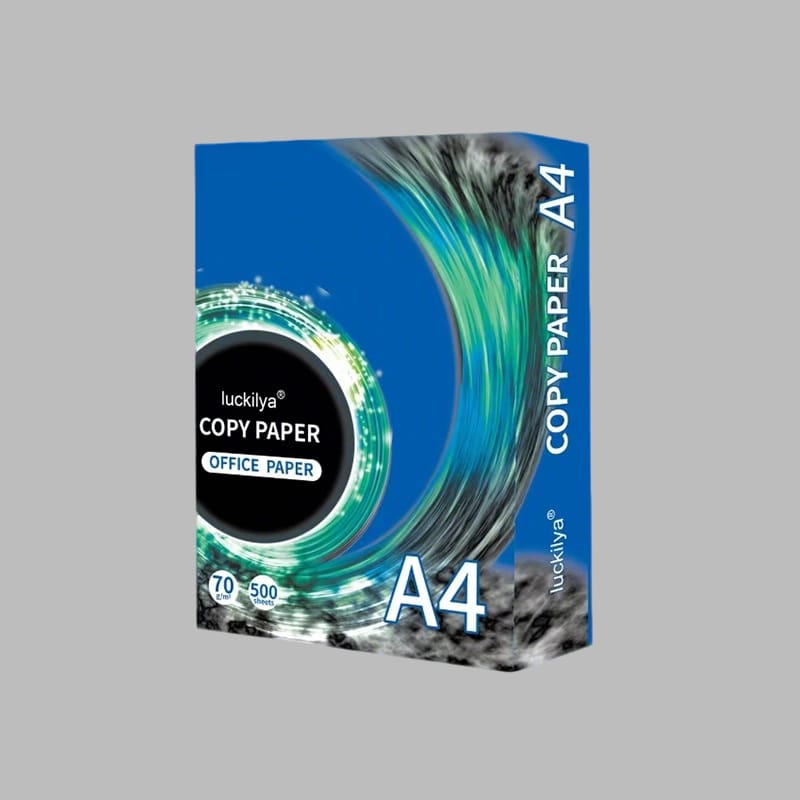
Selecting the right packaging depends on product positioning, logistics complexity, and end-user expectations.
Thick copy paper packaging is more suitable when:
- Products are exported or shipped long distances
- High printing performance is required
- Storage conditions are variable
- Brand value and presentation matter
Standard paper packaging is suitable when:
- Distribution is local or short-range
- Cost efficiency is the priority
- Storage conditions are stable
- Paper is used for general office printing
Choosing the right system is not only a cost decision but also a quality assurance strategy.
Conclusion
The difference between thick copy paper packaging and standard paper packaging goes far beyond material thickness. It directly affects product stability, usability, and supply chain reliability.
Thick copy paper packaging offers stronger protection, better shelf stability, and higher logistics performance, making it essential for premium and export-oriented supply chains. Standard packaging, while cost-effective, is more suitable for controlled and short-distance distribution.
For manufacturers and distributors, packaging should be viewed as an integral part of product engineering, not just a protective layer. In modern paper supply chains, packaging quality often determines how the product is ultimately experienced by the end user.
FAQ
What is thick copy paper packaging?
Thick copy paper packaging refers to reinforced wrapping and carton systems designed to protect heavyweight printing paper during storage, handling, and transportation.
Why does thick copy paper need stronger packaging?
Because thicker paper is more sensitive to pressure and humidity changes, stronger packaging helps maintain flatness, prevent curling, and protect printing performance.
What materials are used in thick copy paper packaging?
It typically includes moisture-resistant plastic film for ream wrapping and reinforced corrugated cartons for outer protection during bulk shipping.
How is thick copy paper packaged for wholesale supply?
It is usually packed in sealed reams (commonly 500 sheets each), then grouped into strong cartons designed for stacking, palletizing, and export transport.
Can thick copy paper packaging be customized for branding?
Yes, OEM packaging options are available, including logo printing, carton design customization, and private label packaging for distributors and wholesalers.
Need Help Choosing the Right Thick Copy Paper Packaging Solution?
If you’re unsure which packaging structure is best for your thick copy paper products, our experts are here to help. Contact us today for a personalized consultation and get reliable, durable, and cost-effective packaging solutions tailored to your supply chain and business needs. Don’t risk product damage or quality loss—get in touch now to protect your paper quality and strengthen your global distribution performance!