Table of Contents
- Why copy paper packaging documentation Matters
- The Buyer Problem Behind the Search
- Specification Inputs to Prepare
- Design Factors to Review
- Sampling and Validation Checks
- Warehouse and Logistics Implications
- Comparison Table for Buyers
- FAQs
- Next Step for Buyers
copy paper packaging documentation is a specific but practical search topic for paper brands, importers, distributors, and packaging buyers. It is not only about choosing a carton that looks acceptable in a product photo. It is about making sure the packaging performs when copy paper is packed, stacked, stored, shipped, opened, checked, and reordered.
This guide focuses on drawings, material records, artwork versions, sample approvals, and repeat order control. The goal is to help buyers define a clear packaging requirement before asking for a quote or approving a sample. When the requirement is specific, suppliers can respond with better drawings, better samples, and fewer production revisions.
Huasheng works with copy paper cartons, ream packaging, printed paper boxes, and custom paper packaging. For buyers comparing product-side options, the copy paper packaging pilot run page or article is a useful internal reference while reviewing copy paper packaging documentation.
Why copy paper packaging documentation Matters
copy paper packaging documentation matters because copy paper packaging is used in a demanding environment. Reams are heavy, corners must remain clean, cartons must stay readable, and warehouse teams need to identify products quickly. Small packaging decisions can affect claims, repacking work, receiving speed, and the customer’s first impression.
A buyer searching for copy paper packaging documentation is usually trying to solve a concrete operational problem. The issue may be carton confusion, difficult opening, poor storage appearance, export handling risk, label errors, or inconsistent repeat orders. A useful answer should connect the packaging feature to the buyer’s workflow.
The broader technical context often includes material behavior, carton design, pallet handling, and quality records. For background, buyers can review quality management system, but final packaging decisions should always be based on the actual paper format, route, and handling method.

The Buyer Problem Behind the Search
The first step is to identify why the buyer needs copy paper packaging documentation. A vague request usually produces a vague carton. A clear request explains what needs to be protected, who handles the package, where the carton travels, and what failure or inefficiency must be prevented.
For example, a distributor may care about faster receiving and SKU identification. An importer may care about export route stability. A private-label brand may care about clean appearance after handling. An office paper supplier may care about making ream removal easier without damaging the wrap.
This is why copy paper packaging documentation should be discussed as part of a system. The carton, ream wrap, printed label, pallet plan, and receiving process all influence whether the final packaging works.
Specification Inputs to Prepare
Before requesting samples, buyers should prepare product and route data. Useful inputs include paper size, ream count, sheet count, wrap thickness, filled carton weight, pallet pattern, destination market, storage time, and whether cartons are opened by warehouse staff, retail staff, or final users.
For copy paper packaging documentation, the buyer should also describe the preferred outcome. Is the priority cleaner storage, fewer picking errors, safer opening, better export handling, or repeatable reorder control? The supplier’s recommendation should be shaped by that outcome.
If buyers already have related issues, they should include photos and notes. The article on copy paper packaging tolerance control can help connect this requirement with a related packaging decision that may affect the same order.
- Confirm the exact paper format and packed ream dimensions.
- Define the carton count, gross weight, and intended pallet layout.
- State the sales channel and destination market.
- Share current packaging problems with photos when available.
- Keep artwork, labels, and structural requirements in the same review file.
Design Factors to Review
Design review should translate copy paper packaging documentation into visible packaging decisions. Buyers should check panel layout, carton fit, opening direction, label placement, material strength, fold quality, glue areas, and the relationship between printed graphics and structural features.
A good carton design is not simply stronger or more decorative. It is appropriate for the order. Excessive material can add complexity without fixing the real problem. Under-specified material can cause damage even when the drawing looks correct. The practical target is controlled performance.
Buyers should also check whether the design remains easy to produce at scale. A sample that requires careful hand adjustment may not translate well into mass production. For copy paper packaging documentation, repeatability is part of quality.
Sampling and Validation Checks
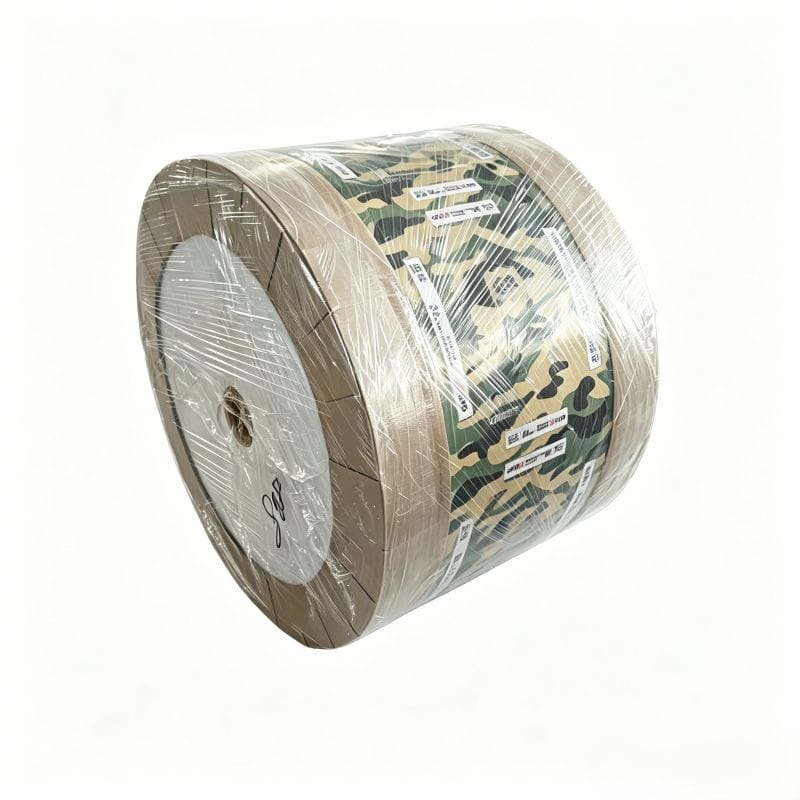
Sampling should use production-equivalent material whenever possible. Empty mockups are useful for early visual review, but filled cartons are needed to evaluate real performance. Copy paper weight changes how a carton closes, stacks, opens, and moves.
A practical validation process for copy paper packaging documentation should include packing real reams, closing cartons, stacking several samples, moving them in a normal handling pattern, opening selected cartons, and checking ream condition. This does not replace formal testing when required, but it gives buyers a realistic first review.
If dimensional accuracy or repeatability is important, the guide on contact us is a relevant next step for turning sample feedback into a clear production requirement.
What to record during sample approval
- Photos of closed cartons, opened cartons, and packed reams.
- Material and board notes used for the sample.
- Any visible deformation, scuffing, tearing, or label readability issue.
- Pallet orientation and carton side facing outward.
- Final comments that must be repeated in production.
Warehouse and Logistics Implications
Warehouse teams are often the first to expose weak packaging decisions. If copy paper packaging documentation is not aligned with receiving, storage, picking, and loading, the package may still create problems even if it looks correct at the factory.
Buyers should ask how the carton will be stored and identified. Will labels face outward? Will cartons be double-stacked? Will mixed SKUs be separated clearly? Will workers need to open cartons with tools? These questions decide whether the packaging supports the real route.
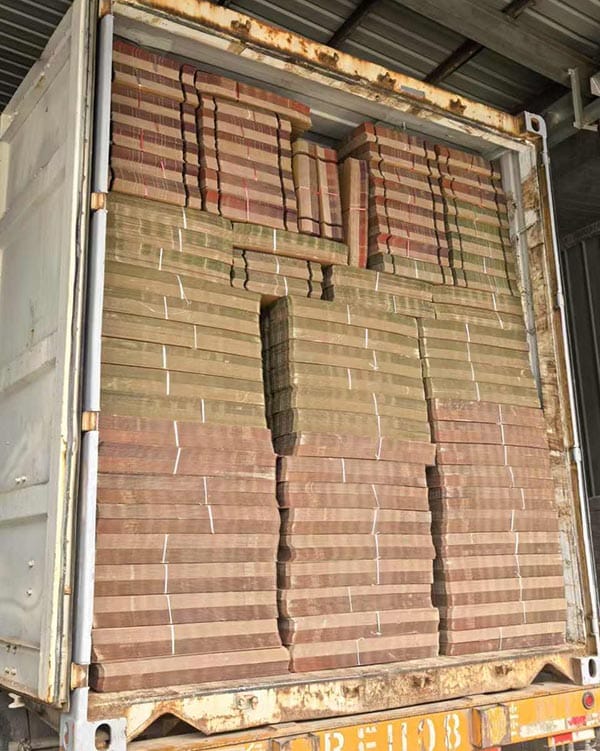
For export orders, the same structure should be reviewed against container movement, humidity exposure, and pallet stability. For domestic wholesale orders, picking accuracy and carton readability may matter more. The value of copy paper packaging documentation depends on matching the route.
Comparison Table for Buyers
| Decision area | Basic approach | More controlled approach |
|---|---|---|
| Specification | Request a general carton | Define copy paper packaging documentation with product and route details |
| Sample review | Approve by appearance | Pack real reams and inspect handling behavior |
| Labels and artwork | Add after structure is chosen | Review labels, panels, and structure together |
| Warehouse process | Let warehouse adapt later | Confirm storage, picking, and opening workflow early |
| Reorders | Repeat from memory or old quote | Keep drawings, photos, material notes, and approval records |
FAQs
What is copy paper packaging documentation?
copy paper packaging documentation is a packaging requirement focused on how copy paper cartons or ream packs should perform for a specific use case, such as import handling, clean storage, safe opening, SKU control, or repeatable reorders.
Why should buyers define copy paper packaging documentation before sampling?
Buyers should define copy paper packaging documentation before sampling because the supplier needs clear inputs on paper size, carton weight, route, handling, and desired performance. Without those inputs, samples may look acceptable but fail in real use.
Does copy paper packaging documentation require a custom carton?
copy paper packaging documentation does not always require a fully custom carton. Sometimes a standard structure works with better labels, tighter tolerances, or clearer pallet instructions. Custom design is useful when standard cartons cannot meet the route or brand requirements.
How many samples should be checked?
A single sample is rarely enough for confident approval. Buyers should check several production-equivalent samples, especially when carton fit, labels, opening features, or stacking performance are important.
What should buyers send to a supplier?
Buyers should send paper size, ream dimensions, ream count, carton quantity, route, pallet plan, artwork requirements, current problems, and target performance for copy paper packaging documentation. Clear inputs shorten sampling and reduce revision cycles.
Next Step for Buyers
If your team is preparing a copy paper packaging order and needs a clearer specification, share the paper format, ream count, carton weight, destination, and current packaging concerns through the contact us page. A focused discussion around copy paper packaging documentation can make sampling more useful and production easier to control.
For procurement teams, copy paper packaging documentation should be treated as a repeatable requirement rather than a one-time note. When the same requirement appears in the quote request, sample review, production file, and receiving checklist, every team has a clearer standard to follow.
For procurement teams, copy paper packaging documentation should be treated as a repeatable requirement rather than a one-time note. When the same requirement appears in the quote request, sample review, production file, and receiving checklist, every team has a clearer standard to follow.
For procurement teams, copy paper packaging documentation should be treated as a repeatable requirement rather than a one-time note. When the same requirement appears in the quote request, sample review, production file, and receiving checklist, every team has a clearer standard to follow.
For procurement teams, copy paper packaging documentation should be treated as a repeatable requirement rather than a one-time note. When the same requirement appears in the quote request, sample review, production file, and receiving checklist, every team has a clearer standard to follow.
For procurement teams, copy paper packaging documentation should be treated as a repeatable requirement rather than a one-time note. When the same requirement appears in the quote request, sample review, production file, and receiving checklist, every team has a clearer standard to follow.
For procurement teams, copy paper packaging documentation should be treated as a repeatable requirement rather than a one-time note. When the same requirement appears in the quote request, sample review, production file, and receiving checklist, every team has a clearer standard to follow.
For procurement teams, copy paper packaging documentation should be treated as a repeatable requirement rather than a one-time note. When the same requirement appears in the quote request, sample review, production file, and receiving checklist, every team has a clearer standard to follow.
For procurement teams, copy paper packaging documentation should be treated as a repeatable requirement rather than a one-time note. When the same requirement appears in the quote request, sample review, production file, and receiving checklist, every team has a clearer standard to follow.
For procurement teams, copy paper packaging documentation should be treated as a repeatable requirement rather than a one-time note. When the same requirement appears in the quote request, sample review, production file, and receiving checklist, every team has a clearer standard to follow.
For procurement teams, copy paper packaging documentation should be treated as a repeatable requirement rather than a one-time note. When the same requirement appears in the quote request, sample review, production file, and receiving checklist, every team has a clearer standard to follow.
For procurement teams, copy paper packaging documentation should be treated as a repeatable requirement rather than a one-time note. When the same requirement appears in the quote request, sample review, production file, and receiving checklist, every team has a clearer standard to follow.
For procurement teams, copy paper packaging documentation should be treated as a repeatable requirement rather than a one-time note. When the same requirement appears in the quote request, sample review, production file, and receiving checklist, every team has a clearer standard to follow.
For procurement teams, copy paper packaging documentation should be treated as a repeatable requirement rather than a one-time note. When the same requirement appears in the quote request, sample review, production file, and receiving checklist, every team has a clearer standard to follow.
For procurement teams, copy paper packaging documentation should be treated as a repeatable requirement rather than a one-time note. When the same requirement appears in the quote request, sample review, production file, and receiving checklist, every team has a clearer standard to follow.
For procurement teams, copy paper packaging documentation should be treated as a repeatable requirement rather than a one-time note. When the same requirement appears in the quote request, sample review, production file, and receiving checklist, every team has a clearer standard to follow.
For procurement teams, copy paper packaging documentation should be treated as a repeatable requirement rather than a one-time note. When the same requirement appears in the quote request, sample review, production file, and receiving checklist, every team has a clearer standard to follow.
For procurement teams, copy paper packaging documentation should be treated as a repeatable requirement rather than a one-time note. When the same requirement appears in the quote request, sample review, production file, and receiving checklist, every team has a clearer standard to follow.
For procurement teams, copy paper packaging documentation should be treated as a repeatable requirement rather than a one-time note. When the same requirement appears in the quote request, sample review, production file, and receiving checklist, every team has a clearer standard to follow.