
Table of Contents
Introduction
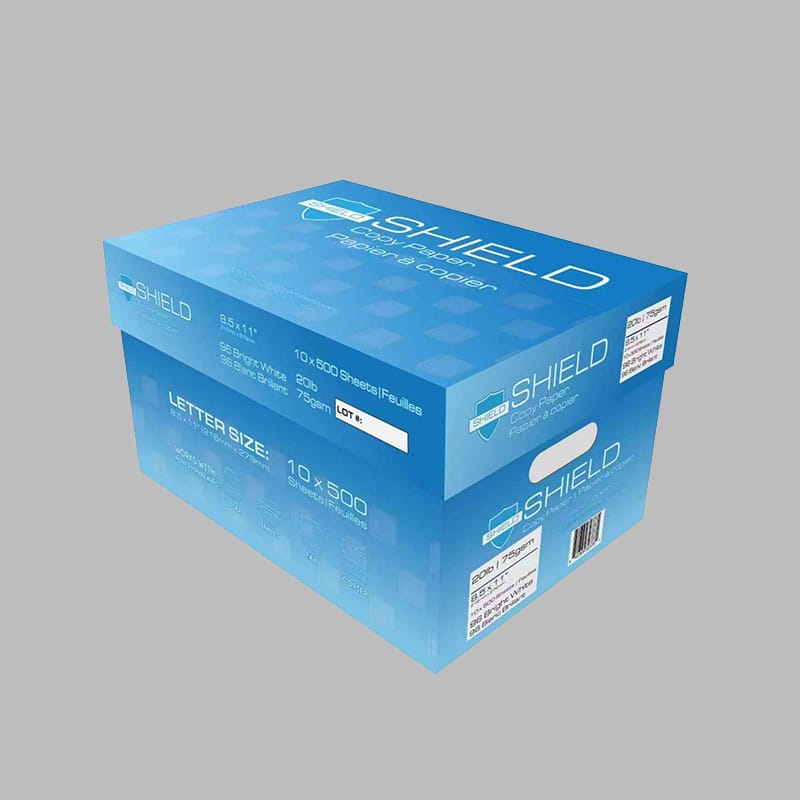
Copy paper refers to standard-format printing paper widely used in office environments, commercial printing, and everyday document reproduction. It is the foundation of most printed communication, from internal reports to client-facing documents.
In real printing environments, paper is not just a passive medium. It directly influences toner adhesion, ink absorption, color reproduction, and overall machine performance. Based on printing industry technical observations, paper surface uniformity and fiber density are two of the most important factors affecting print sharpness and consistency.
From a practical perspective, if you have ever seen faded text, ink bleeding, or paper jams, the issue is often not the printer itself but mismatched copy size paper selection.
Standard Dimensions and Common Formats of Copy Size Paper
Copy paper is not a single fixed measurement. It generally refers to standard office paper formats used for photocopying and printing tasks.
The most commonly used formats include A4 and Letter size, which are designed to ensure compatibility across most printers and office machines.
Different regions and industries may adopt slightly different standards, but the purpose remains the same: ensuring consistency in document handling and printing workflows.
Choosing the correct paper size is important not only for formatting but also for reducing waste and improving printing efficiency in bulk operations.
Understanding GSM and Paper Thickness for Copy Size Paper
GSM (grams per square meter) is one of the most important specifications when selecting copy paper. It determines paper thickness, durability, and overall printing feel.
In practical printing environments, GSM selection directly affects performance and cost efficiency.
Below is a simplified industry-based reference table used in typical printing operations:
| Application Scenario | Recommended GSM Range | Performance Characteristics |
|---|---|---|
| Daily office printing | 70–80 GSM | Lightweight, cost-efficient, high volume use |
| Business documents | 80–100 GSM | Balanced quality and durability |
| Presentations & reports | 100–120 GSM | Better rigidity and visual impression |
| Marketing materials | 120–170 GSM | High-quality appearance and premium feel |
| Premium printing & covers | 170+ GSM | Strong structure and professional finish |
According to printing equipment manufacturer guidelines, using paper outside the recommended GSM range may increase paper feed errors and reduce print accuracy over time.
Types of Copy Size Paper for Different Printing Needs
Different types of copy paper are designed to match different output requirements.
Standard uncoated paper is the most widely used for office printing. It is cost-effective and suitable for high-volume document production.
High-brightness paper improves contrast and readability, making it ideal for reports and formal documents.
Recycled copy paper is increasingly used in modern offices due to sustainability goals. While it may have slightly lower brightness, it performs well for general printing tasks.
Premium smooth-finish paper is designed for high-resolution output where visual presentation is important.
Copy Size Paper for Inkjet and Laser Printers
Printer compatibility is one of the most overlooked factors in paper selection.
Inkjet printers rely on controlled ink absorption. If the paper surface is too smooth or coated incorrectly, ink may smear or fail to dry properly.
Laser printers use heat and toner bonding. In this case, paper must withstand high temperatures and provide a stable surface for toner adhesion.
Using incompatible copy paper can lead to:
- Paper jams
- Uneven print quality
- Smudging or ghosting
- Increased maintenance cycles
A simple rule in printing operations is: match paper type to printer technology, not just price.
Best Copy Size Paper for Office and Business Use
For daily office operations, copy size paper plays a central role in productivity and cost control.
Most businesses rely on 80 GSM paper as a standard because it offers a balance between performance and affordability.
Typical use cases include internal reports, invoices, contracts, and administrative documents.
From an operational standpoint, consistency is more important than premium quality. When paper quality varies between batches, it can affect printer calibration and document appearance across departments.
Bulk purchasing is commonly used to stabilize supply and reduce cost per unit, especially in high-volume printing environments.
Copy Size Paper for Commercial and Professional Printing
When it comes to external-facing materials, copy size paper becomes part of brand perception.
Marketing documents such as brochures, presentations, and product sheets require higher brightness and smoother surfaces. These features improve color vibrancy and image clarity.
Industry printing studies consistently show that higher brightness paper improves perceived print quality, even when the printed content is identical.
This means paper selection directly influences how professional your business appears to clients and partners.
Environmental Considerations in Copy Size Paper Selection
Sustainability has become a key factor in modern paper procurement strategies.
Recycled copy size paper helps reduce raw fiber consumption and supports waste reduction efforts. According to environmental lifecycle assessments in the paper industry, recycled fiber production typically requires less energy and water compared to virgin fiber processing.
However, trade-offs exist. Recycled paper may have slightly lower brightness and surface smoothness, which can affect high-precision printing.
Many organizations now adopt a mixed approach: recycled paper for internal use and premium paper for external communication.
Common Mistakes When Choosing Copy Size Paper
Many printing inefficiencies are caused by incorrect paper selection rather than equipment issues.
One common mistake is focusing only on price while ignoring GSM and coating compatibility. This often leads to poor print quality and increased printer wear.
Another issue is using the same paper type for all applications without considering usage differences.
Ignoring printer specifications is also a frequent problem, especially in mixed-office environments where multiple printer types are used.
A structured selection approach significantly reduces operational risks and improves output consistency.
How to Evaluate Copy Size Paper Suppliers and Quality Standards
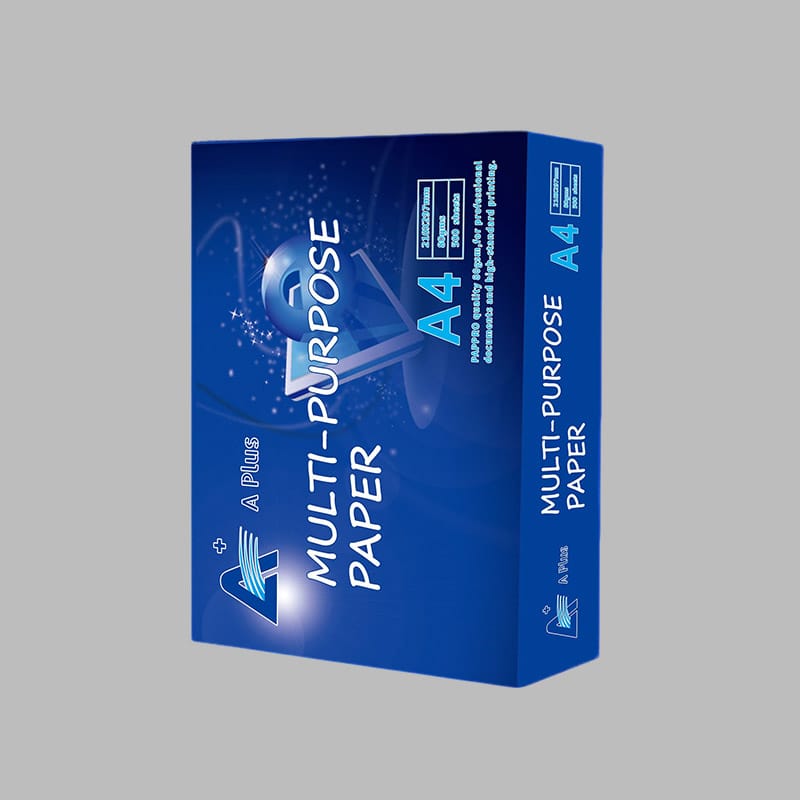
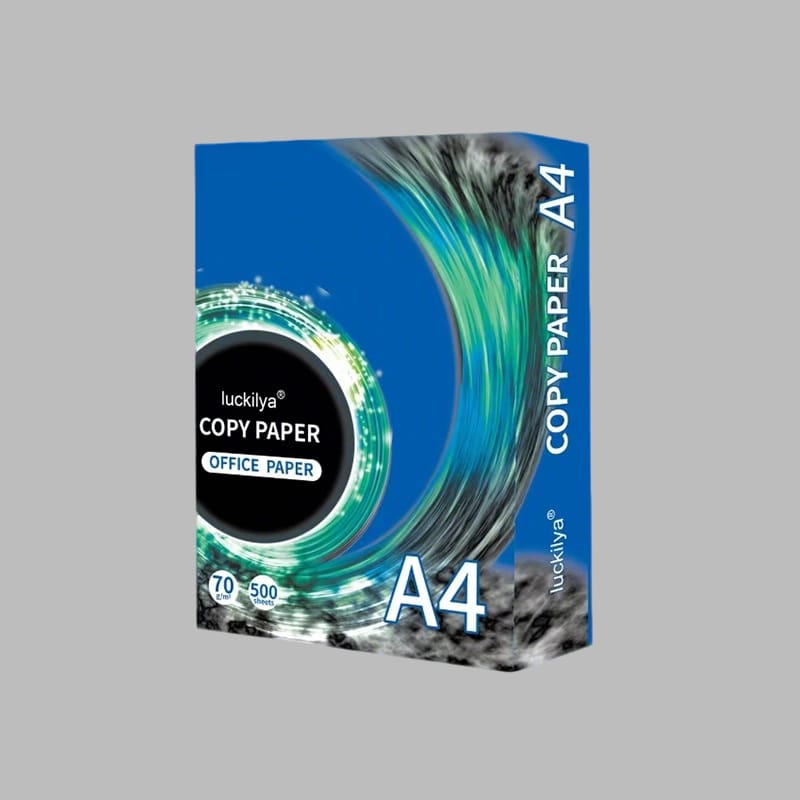
For businesses that rely on continuous printing operations, supplier reliability is as important as paper quality.
Consistent thickness, brightness stability, and moisture resistance are key indicators of a reliable product.
In professional procurement environments, evaluation typically includes:
- Batch-to-batch consistency testing
- Surface smoothness inspection
- Packaging integrity during transport
- Long-term storage stability
Industry-quality frameworks such as ISO-based manufacturing systems are often used to ensure production consistency and reduce variation in large-scale supply chains.
Choosing a stable supplier helps reduce downtime and ensures predictable printing performance across long-term operations.
Conclusion
Choosing the right copy size paper is essential for achieving consistent print quality, efficient office operations, and professional document presentation. By matching GSM, paper type, and printer compatibility with your actual usage needs, you can reduce printing issues, improve output clarity, and control long-term costs. A well-selected paper not only supports daily workflow but also enhances the overall perception of your printed materials.
FAQ
What is copy size paper used for?
Copy size paper is mainly used for office printing tasks such as photocopying, reports, contracts, invoices, and other daily business documents requiring clear and reliable output.
What is the standard size of copy size paper?
Copy size paper generally refers to standard formats like A4 or Letter size, which are widely used in offices and are compatible with most printers and photocopy machines globally.
What GSM is best for copy size paper?
The typical GSM range is 70–80 for everyday printing, offering cost efficiency and smooth operation, while 80–100 GSM is preferred for sharper, more professional-looking documents.
Can copy size paper be used in all printers?
Yes, copy size paper is compatible with most inkjet printers, laser printers, and copiers, as long as the paper weight (GSM) matches the printer’s recommended specifications.
What is the difference between copy size paper and printing paper?
Copy size paper usually refers to standard office paper used for copying and daily printing, while printing paper is a broader category that includes coated, specialty, and commercial-grade paper types.
Need Help Choosing the Right Copy Size Paper?
If you’re unsure which copy size paper is best for your office printing, commercial documents, or bulk business use, our experts are here to help. Contact us today for a personalized recommendation, and ensure your printing performance is consistent, efficient, and cost-effective. Don’t wait for poor print quality to slow you down—get in touch now to choose the right solution for your business!