
Table of Contents
Kraft liner vs testliner should be specified against the intended paper product, packing operation and distribution route. Kraft liner and testliner describe liner paper families rather than a complete carton performance guarantee. A procurement comparison should identify the actual grade, basis weight, surface and required properties. The paper's commercial name is useful only when the supplier and buyer attach the same material definition and acceptance evidence to it.
Define the scope of kraft liner vs testliner
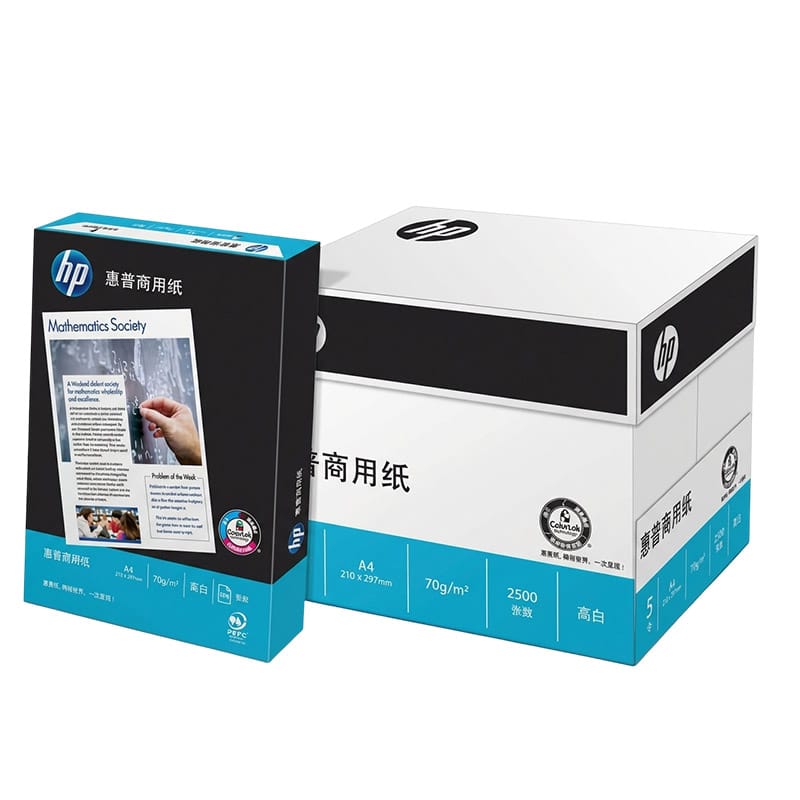
A copy-paper box uses its liners for more than appearance. The outer face carries the print, while the inner face can contact wrapper surfaces and folded corners. Surface cleanliness, rub behavior and bonding to the flute therefore matter alongside structural properties. Brown color or a smooth surface cannot prove a specific fiber composition.
How to evaluate kraft liner vs testliner
Obtain the supplier's grade identification and agree how substitutions will be handled. Test candidate boards as finished cartons, since converting and joints influence the result. When recycled content matters to the brief, request documentation for the actual supplied material and avoid assuming that every liner in a board has the same composition.
Compare the purchasing options and evidence
The following comparison turns kraft liner vs testliner into a specific purchasing conversation. The right-hand evidence column identifies what the buyer should request before accepting the proposed approach. It is a decision aid, not a universal specification or a supplier performance claim.
| Review item | Incomplete approach | Preferred approval basis | Evidence to retain |
|---|---|---|---|
| Material description | Brown or white paper | Supplier grade and component position | Component specification |
| Equivalence | Equal total board GSM | Component and finished-box comparison | Material-change trial |
| Claims | Infer fiber content from appearance | Document actual supplied composition | Supplier evidence review |
Work through a practical example
Consider two quotations with equal total board basis weight. One changes the outer liner while leaving the other components unchanged. The resulting box may print or fold differently even though the total mass per area is identical. A meaningful trial compares the finished packs and records which component changed, instead of treating equal total GSM as proof of equivalence.
Review recycled content copy paper carton alongside kraft liner vs testliner
The decision about kraft liner vs testliner also interacts with recycled content copy paper carton. Review this connection where it affects the proposed material, production process or delivery configuration.
Ask whether the claim refers to a component, total paper mass or another stated basis. Keep the percentage and any classification tied to the supplier's evidence. Appearance is not a reliable verification method: brown color, visible fibers or a matte surface cannot establish the origin or share of recovered material.
Review the documentation for the specified grade and order, and verify that substitutions remain subject to the same requirement. Assess physical performance separately using the actual carton. A material claim and a compression result answer different questions; neither should be used as a substitute for the other.
Review copy paper carton burst strength alongside kraft liner vs testliner
The decision about kraft liner vs testliner also interacts with copy paper carton burst strength. Review this connection where it affects the proposed material, production process or delivery configuration.
A burst value can change with paper composition and test conditions. Ask which method was used, how the specimens were conditioned and what units appear in the report. A result without sample identity is difficult to trace to the carton being purchased. Do not compare numbers from different methods as if the larger number automatically identifies the better box.
Pair a burst requirement with a finished-package evaluation appropriate to the route. Inspect joints, creases and panel condition, because those features are not represented by a flat specimen alone. When a supplier provides both average and individual results, review the spread and the agreed acceptance rule rather than selecting the most favorable reading.
Approve kraft liner vs testliner and control changes
Approve a liner choice on documented performance and the package's intended use. Keep environmental claims separate from physical acceptance. If the buyer needs a particular fiber or sourcing attribute, place that requirement in the order explicitly and request the relevant supporting documents before artwork carrying the claim is released.
Organize receiving inspection around the approved evidence for kraft liner vs testliner
A receiving check for kraft liner vs testliner begins before the package is opened. Record item identity, quantity basis, visible protection and the position of any damage. Keep labels connected to the goods they identify. If several revisions or delivery lots arrive together, separate them in the record so a defect can be traced to the correct source.
For kraft liner vs testliner, choose inspection locations that answer the likely receiving risks. Include material from exposed positions and from within the delivery, using the agreed sampling plan. Do not let the most convenient top sample represent every bundle or roll. Preserve the distinction between a delivery-condition observation and a measured characteristic of the packaging itself.
Compare the delivered kraft liner vs testliner evidence with the approved reference using the same units and method. If the two sides disagree, first reconcile how each result was obtained. A change in measurement position, conditioning or interpretation can create an apparent nonconformance. Correcting the method avoids unnecessary material changes while keeping a real defect visible.
Where kraft liner vs testliner requires a functional check, observe a representative first run before the delivery is consumed widely. Record acceptable output and describe any failure by location and stage. Keep a known-good reference available if one exists. The trial should answer a specific receiving question, not become an uncontrolled attempt to adjust the process until every sample appears usable.
If the kraft liner vs testliner check finds a discrepancy, identify the affected quantity and keep it separate while the buyer and supplier agree a disposition. State what is known and what still needs investigation. A conditional acceptance should name the permitted use and limits, and it should not erase the original result from the receiving history.
Feed the receiving results back into the kraft liner vs testliner specification. Repeated observations may reveal an unclear acceptance rule or a characteristic that needs better control. Update the approved documents through a deliberate revision, then communicate the change to ordering and production staff. This is more reliable than allowing each delivery to establish a slightly different unwritten standard.
Prepare a clear request for quotation
To discuss kraft liner vs testliner with Huasheng, provide the paper format, wrapped ream dimensions, intended quantity and the requirements highlighted above. Include the approved artwork if printing is involved, plus photographs or drawings that show the current packaging. Request confirmation of the proposed construction and sampling steps before production.
Review the relevant Heavy-Duty Corrugated Carton for Copy Paper and custom packaging services when preparing the brief. A product photograph illustrates the packaging family; it does not establish a tested strength, exact size or machine setting for your order.
For additional context while evaluating kraft liner vs testliner, see Print Out Paper Packaging vs Standard Paper Packaging: Key Differences; Thick Copy Paper Packaging vs Standard Paper Packaging: Key Differences Explained. Technical reference: FEFCO testing methods. Ask the responsible specialist which method applies to the actual package and use case.
Send your kraft liner vs testliner requirements through the inquiry form below. State the items that are already approved and the decisions that still need a sample or technical review. A defined brief makes the supplier’s proposal easier to compare and helps the next production run follow the same accepted requirements.
Frequently asked questions
What should buyers confirm first about kraft liner vs testliner?
Kraft liner and testliner describe liner paper families rather than a complete carton performance guarantee. A procurement comparison should identify the actual grade, basis weight, surface and required properties. Begin with the actual product and process so the supplier can review a defined requirement.
What evidence is needed to approve kraft liner vs testliner?
Obtain the supplier’s grade identification and agree how substitutions will be handled. Test candidate boards as finished cartons, since converting and joints influence the result. Keep the evidence linked to the kraft liner vs testliner specification and the sample used.
Can a photograph or a nominal specification replace a physical sample?
For kraft liner vs testliner, a photograph or nominal value documents only part of the requirement. A copy-paper box uses its liners for more than appearance. The outer face carries the print, while the inner face can contact wrapper surfaces and folded corners. Use the relevant measurements and functional checks before approval.
Which common purchasing mistake should be avoided?
When reviewing kraft liner vs testliner, avoid treating “brown or white paper” as complete evidence. Prefer “supplier grade and component position” and retain the component specification. Approve a liner choice on documented performance and the package’s intended use.
What should be reconfirmed on a repeat order?
Reconfirm the approved kraft liner vs testliner specification, sample reference and any changes to material, geometry or operating conditions. Approve a liner choice on documented performance and the package’s intended use. Keep environmental claims separate from physical acceptance.